Can Calcium Hydroxide Powder be used in the juice industry? Calcium Hydroxide Powder
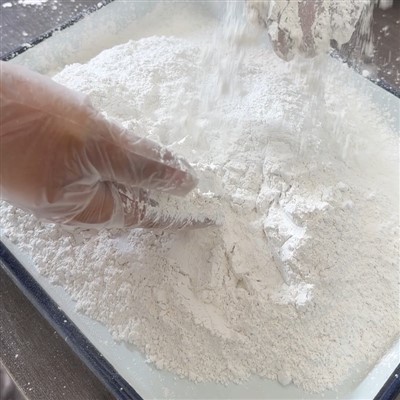
As a supplier of Calcium Hydroxide Powder, I’ve often been asked about the potential applications of our product in various industries, including the juice industry. This query is not only relevant but also timely, given the constant search for safe and effective food – processing aids. In this blog post, I’ll delve into the scientific aspects of whether calcium hydroxide powder can be used in the juice industry.
Chemical Properties of Calcium Hydroxide Powder
Calcium hydroxide, with the chemical formula Ca(OH)₂, is an inorganic compound. It is a white, odorless powder that is sparingly soluble in water. When dissolved in water, it forms a basic solution known as limewater. This basic nature is one of the key properties that make it potentially useful in different industrial processes.
In its solid form, calcium hydroxide is relatively stable under normal conditions. However, it reacts with acids to form salts and water, a characteristic that is important when considering its use in an acidic environment such as fruit juices, which typically have a pH ranging from 2 – 4 depending on the type of fruit.
Potential Applications in the Juice Industry
pH Adjustment
One of the primary proposed uses of calcium hydroxide powder in the juice industry is for pH adjustment. The acidic nature of fruit juices can sometimes lead to issues such as microbial growth and instability in flavor and color. By adding a small amount of calcium hydroxide powder, it is possible to increase the pH of the juice slightly.
A more neutral or slightly basic pH can inhibit the growth of certain spoilage – causing microorganisms, such as molds and yeasts. However, it is crucial to be extremely precise when adjusting the pH, as over – alkalization can lead to a change in the taste and nutritional profile of the juice. For example, excessive alkalinity might cause the juice to taste bitter and could also lead to the precipitation of certain nutrients.
Pectin Extraction
Pectin is a polysaccharide found in the cell walls of fruits. It is often used as a thickening and gelling agent in the juice and food industry. Calcium hydroxide can be used in the process of pectin extraction from fruit peels and pomace.
The basic environment created by calcium hydroxide helps to break down the cell walls of the fruit material, releasing pectin. After extraction, the excess calcium hydroxide can be neutralized, and the pectin can be further purified. This not only contributes to the recycling of fruit waste but also provides an alternative source of pectin for the juice industry.
Clarification
In the production of clear juices, clarification is an important step. Calcium hydroxide can be used as a clarifying agent. It can react with certain substances in the juice, such as proteins and tannins, causing them to form insoluble complexes that can then be removed through filtration or sedimentation. This results in a clearer and more visually appealing juice product.
Safety Considerations
When considering the use of calcium hydroxide powder in the juice industry, safety is of utmost importance. Calcium hydroxide is generally recognized as safe (GRAS) by the U.S. Food and Drug Administration (FDA) when used in accordance with good manufacturing practices. However, strict regulations govern its use in food products.
The amount of calcium hydroxide added to the juice must be carefully controlled. Excessive amounts can lead to high calcium levels in the final product, which may pose health risks for consumers, especially those with calcium – related medical conditions. Moreover, the product must be of food – grade quality, free from contaminants such as heavy metals.
Case Studies and Research
Several research studies have explored the use of calcium hydroxide in the juice industry. For example, in some apple juice processing plants, a small amount of calcium hydroxide has been used to adjust the pH during the initial stages of processing. The results showed a significant reduction in microbial counts, leading to an extended shelf – life of the juice.
In another study on citrus juice production, calcium hydroxide was used in the pectin extraction process from orange peels. The extracted pectin was of high quality and could be used to improve the viscosity and stability of the citrus juice products.
Challenges and Limitations
Despite its potential benefits, there are challenges and limitations to using calcium hydroxide powder in the juice industry. One major challenge is the difficulty in achieving precise pH control. The reaction between calcium hydroxide and the juice components can be complex, and small variations in the amount of calcium hydroxide added can lead to significant changes in pH.
Another limitation is the potential impact on the flavor of the juice. Even a slight change in pH or the presence of residual calcium hydroxide can alter the taste of the juice, making it less appealing to consumers.
Conclusion
In conclusion, calcium hydroxide powder has the potential to be used in the juice industry for pH adjustment, pectin extraction, and clarification. However, its use must be carefully considered in light of safety regulations and potential impacts on the quality of the juice.
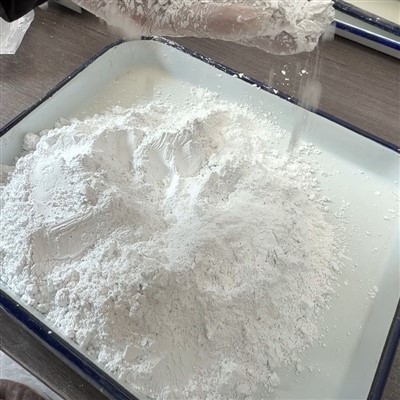
As a supplier of calcium hydroxide powder, I am well – aware of the scientific requirements and quality standards for its use in the food industry. Our product is of high – purity food – grade quality, and we can provide technical support to ensure that it is used effectively and safely in juice production.
Hydrated Lime Powder If you are involved in the juice industry and are interested in exploring the use of calcium hydroxide powder in your processes, I encourage you to reach out. I’d be delighted to discuss how our product can meet your specific needs and provide you with samples for testing. We can work together to optimize the use of calcium hydroxide powder in your juice production, ensuring high – quality and safe products for your consumers.
References
- Food Chemicals Codex (FCC). "Calcium Hydroxide." Published by the National Academies Press.
- Research papers on fruit juice processing and the use of calcium hydroxide in relevant scientific journals, such as the Journal of Food Science and Technology.
- U.S. Food and Drug Administration (FDA) regulations on food – grade additives and their permitted uses in the food industry.
Chaohu Jirun Energy Conservation and Environmental Protection Technology Co., Ltd.
We’re well-known as one of the leading calcium hydroxide powder manufacturers and suppliers in China, also support customized service. Welcome to wholesale high quality calcium hydroxide powder in stock here from our factory. If you have any enquiry about pricelist, please feel free to email us.
Address: No. 9, north of the intersection of Weihai Road and Weili Avenue, within the industrial park of Yinping Town, Chaohu City, Hefei City, Anhui Province.
E-mail: 13305654485@163.com
WebSite: https://www.chaohujirun.com/
