Hey there! I’m a supplier of hydraulic motors, and I often get asked about the differences between hydraulic motors and electric motors. So, I thought I’d write this blog to break it down for you in a simple and easy – to – understand way. Hydraulic Motor
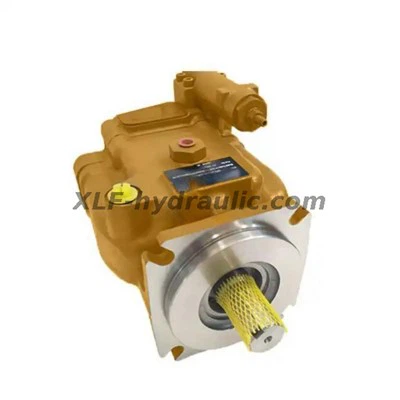
Let’s start with the basics. An electric motor, as the name suggests, runs on electricity. You plug it into a power source, and it converts electrical energy into mechanical energy. On the other hand, a hydraulic motor uses hydraulic fluid to generate power. The fluid is pressurized, and this pressure is used to make the motor turn.
Power and Torque
One of the biggest differences between the two is their power and torque capabilities. Hydraulic motors are known for their high torque output, especially at low speeds. This makes them perfect for heavy – duty applications where you need a lot of force to get things moving. For example, in construction equipment like excavators and bulldozers, hydraulic motors can handle the massive loads and provide the necessary power to dig and move large amounts of earth.
Electric motors, on the other hand, are more suited for applications where you need a constant speed. They can deliver high – speed rotation, but their torque output might not be as high as that of hydraulic motors at low speeds. In industrial settings, electric motors are often used in conveyor belts, where a consistent speed is required to move products along the line.
Efficiency
Efficiency is another important factor to consider. Electric motors are generally more efficient in converting energy. They have fewer energy losses during the conversion process from electrical to mechanical energy. This means that they use less electricity to do the same amount of work compared to hydraulic motors.
However, hydraulic motors can be more efficient in certain situations. When you need to control the speed and torque precisely, hydraulic systems can be adjusted more easily. You can change the flow of the hydraulic fluid to control the motor’s speed and torque, which can be an advantage in applications where you need variable power.
Environmental Impact
In terms of environmental impact, electric motors have the upper hand. They produce zero emissions at the point of use, which is great for reducing your carbon footprint. This makes them a popular choice in applications where environmental regulations are strict, such as in indoor manufacturing facilities.
Hydraulic motors, on the other hand, use hydraulic fluid, which can be a source of pollution if there are leaks. The fluid is usually an oil – based substance, and if it spills, it can contaminate the soil and water. However, modern hydraulic systems are designed to be more leak – proof, and the fluids used are becoming more environmentally friendly.
Maintenance
Maintenance is also different for the two types of motors. Electric motors are relatively easy to maintain. They have fewer moving parts compared to hydraulic motors, which means there are fewer things that can go wrong. You mainly need to keep an eye on the electrical connections and make sure the motor is properly lubricated.
Hydraulic motors require more maintenance. The hydraulic fluid needs to be changed regularly to prevent contamination and ensure smooth operation. You also need to check for leaks in the hydraulic system, which can be a bit more complicated than checking an electric motor.
Cost
Cost is always a consideration when choosing between a hydraulic motor and an electric motor. Electric motors are generally cheaper to purchase. They are widely available, and the technology is well – established, which means the production costs are lower.
Hydraulic motors, on the other hand, are more expensive. The cost of the motor itself is higher, and you also need to factor in the cost of the hydraulic system, including the pump, valves, and hoses. However, in some applications, the high – torque capabilities of hydraulic motors can justify the higher cost.
Applications
Let’s talk about the applications of each type of motor. Electric motors are used in a wide range of applications, from small household appliances like fans and blenders to large industrial machinery. They are also commonly used in electric vehicles, where their efficiency and ability to provide a constant speed are ideal.
Hydraulic motors are mainly used in heavy – duty applications. As I mentioned earlier, construction equipment is a big user of hydraulic motors. They are also used in agricultural machinery, such as tractors and harvesters, where the high torque is needed to perform tasks like plowing and cutting.
Safety
Safety is an important aspect to consider. Electric motors can be dangerous if not properly installed and maintained. There is a risk of electric shock, especially if the motor is exposed to water or if the electrical connections are faulty.
Hydraulic motors also have their safety concerns. The high – pressure hydraulic fluid can cause serious injuries if it leaks and comes into contact with the skin. There is also a risk of explosions if the hydraulic system is not properly designed and maintained.

So, which one should you choose? Well, it depends on your specific application. If you need high torque at low speeds and can handle the higher cost and maintenance, a hydraulic motor might be the right choice. If you need a constant speed, lower cost, and better environmental performance, an electric motor is probably a better option.
Hydraulic Pump As a hydraulic motor supplier, I’m here to help you make the right decision. If you’re in the market for a hydraulic motor, I’d love to have a chat with you. Whether you’re working on a construction project, an agricultural application, or any other heavy – duty task, I can provide you with high – quality hydraulic motors that meet your needs. Just reach out, and we can start discussing your requirements.
References
- "Hydraulic Power Systems" by F. P. Bossler
- "Electric Motors and Drives: Fundamentals, Types and Applications" by Austin Hughes and Bill Drury
Wuhan Xinlaifu Hydraulic Equipment Co., Ltd.
Address: Liansu Industrial Park, No.1, Xincheng 11th Road, Dongxihu District, Wuhan, Hubei, China
E-mail: service@xlf-hydraulic.com
WebSite: https://www.xlf-hydraulic.com/
