Hey there, I know you’ve probably noticed that when you’re ordering DTF ink, that white stuff always hits a little harder on the price tag than the colors—like, way harder. And as someone who’s been in the DTF ink game for years, I’m here to break down exactly why that’s not just a random markup. No corporate jargon, no fancy sales tricks, just the real, behind-the-scenes stuff that goes into making that white ink you rely on to get those crisp, vibrant prints on dark fabrics. DTF Ink
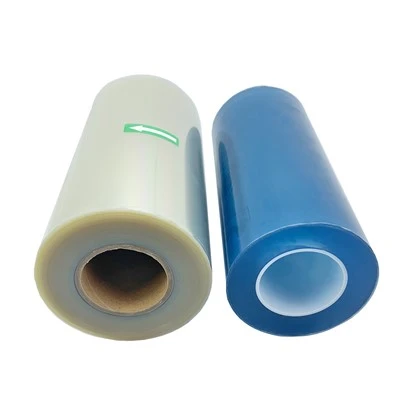
First off, let’s get one thing straight: not all white DTF ink is created equal. But the good stuff—what you actually need to keep your prints from fading or cracking after a few washes? That’s the expensive kind, and here’s why. The base of all DTF ink is a suspension of pigments in a liquid carrier, right? For colored inks, you can use cheap, readily available pigments that are basically refined industrial dyes. But white? We’re not using dye here—we’re using pigments, specifically titanium dioxide (TiO2), and not just any TiO2. The size of those pigment particles matters way more for white ink than it does for any other color. Colored pigments can be a little bigger or smaller and still do their job, but for white ink? You need particles that are super tiny, like nanoscale tiny, because if they’re too big, they clog your DTF printer’s nozzles. And getting TiO2 down to that precise size? It takes way more processing and way higher quality raw material than what you’d use for, say, white paint. I’m talking about rutile-grade TiO2, not the anatase stuff you can pick up at the hardware store. Rutile is more opaque, more durable, and actually stays suspended properly in the ink mix—something cheap TiO2 just can’t do.
Wait, let’s talk about that suspension part for a second. All DTF ink has to stay mixed, right? If it separates in your cartridge, you get streaky prints that are garbage. But white ink has it way harder here. Pigments like cyan or magenta are denser than water, but TiO2 is even denser than those, so it’s way more prone to settling at the bottom of the bottle or cartridge. So we can’t just mix it with water and a little surfactant like we do for colored inks. We need special stabilizers—thickeners, dispersants, anti-settling agents—that won’t mess with the ink’s flow through the printer’s fine nozzles. Those stabilizers aren’t cheap, either. They’re formulated to work with TiO2 specifically, so they don’t interfere with the curing process on the DTF film or the adhesion to the fabric. Mess that up, and your white ink will flake off after the first wash. That’s a customer complaint waiting to happen, so we can’t cut corners here.
Then there’s the nozzle clog issue. If you’ve ever run a DTF printer, you know how big of a pain clogs are—they waste ink, waste time, and ruin prints. Colored inks clog occasionally, but white ink? It’s way more likely to clog because those tiny TiO2 particles can build up in the nozzle if the ink isn’t flowing just right. So we have to formulate the white ink with surfactants and leveling agents that keep the particle size consistent and prevent buildup, without making the ink too thin or too thick. The testing that goes into getting that formula right? It’s endless. We run hundreds of tests, tweaking the ratios of TiO2, stabilizers, carriers, and additives, just to get a batch that works reliably on every printer we test it on. Every bad batch costs us money, but more importantly, it costs you—our customer—trust. And we’d rather pay for good ingredients than for you to have to throw out a roll of film because your white print came out streaky.
Let’s also talk about regulatory stuff and consistency. For colored inks, the standard pigments are pretty well-regulated, but white ink’s TiO2 has specific OSHA and EPA guidelines about how it’s processed, especially when it’s nanoscale. We have to make sure that the ink is safe for end-users, too—no harmful chemicals that will wash off onto skin, especially if you’re printing kids’ clothes or activewear. That means using food-grade or industrial-grade TiO2 that meets strict purity standards, not the recycled or lower-grade stuff some budget ink brands use to cut costs. And consistency? Every batch of white ink has to perform exactly the same as the last one. You don’t want to adjust your printer settings every time you get a new ink order, right? So we invest in good manufacturing processes—we have our own lab, not some third-party facility that mixes ink and doesn’t test it. That overhead gets passed along, but it’s worth it when you get a consistent print every single run.
Another big one: curing and adhesion. White ink is the layer that everything else sits on, right? If you’re printing a white design or a dark fabric, that white ink is the foundation. If it doesn’t cure properly, it’ll scratch off. If it doesn’t adhere, the whole print will lift when you peel the DTF film. Colored inks are a lot more forgiving when it comes to curing temps and times, but white ink? Because of the dense TiO2 particles, it needs precise curing to set correctly. So we have to add specific curing agents that help the white ink fuse to the film and the fabric, without making it too brittle. Brittle ink cracks after a few washes, which is a huge problem for your customers. Budget white ink skips those curing agents, so it’s cheaper up front but costs you in returns and bad reviews. I’ve seen it happen—customers buy cheap white ink, save a few bucks, then have to replace half their batch of prints because they cracked. That’s not a win for anyone, especially not when our white ink gives you prints that last 50+ washes, no problem.
Wait, let’s not forget supply and demand, too. White DTF ink is way more in demand than colored ink, because almost every print uses white as a base layer. If you’re printing a dark shirt, you need white first, then the colors on top. If you’re printing a white design, that’s all white ink. So manufacturers like us can’t get as much of the high-quality TiO2 as we want, because it’s a specialized material. The demand for nano-grade rutile TiO2 is growing across all industries—pharma, cosmetics, electronics, not just DTF ink—so the price of that raw material has gone up a lot in the last few years. Colored pigments, on the other hand, are mass-produced, so their prices have stayed pretty stable. That supply crunch on TiO2 is a big part of why white ink costs more, and it’s not something we can fix by just switching to a cheaper material.
And let’s talk about waste and yield. When we make colored ink, the yield is pretty high—most batches turn out usable. With white ink? We have way more waste. Because the suspension is so finicky, if one tiny ingredient ratio is off, the whole batch settles, clogs nozzles, or doesn’t cure right. We might have to toss 10% of a white ink batch because it didn’t pass our quality control, versus like 2% for colored ink. That extra waste adds up, and we have to factor that into the price. I don’t know about you, but I don’t want to sell you ink that I haven’t tested thoroughly, so that waste is a cost I’m willing to take to make sure you get a product that works for your business.
Here’s the thing: I get it, when you’re running a shop, every dollar counts. Price is always a factor when you’re restocking ink. But cutting corners on white DTF ink is a false economy. Yeah, it’s cheaper upfront, but you’ll deal with more clogs, more streaks, more cracked prints, and more customer complaints. The higher price of good white ink? That’s for the stuff that’s tested, reliable, and made to help your prints look great and last.
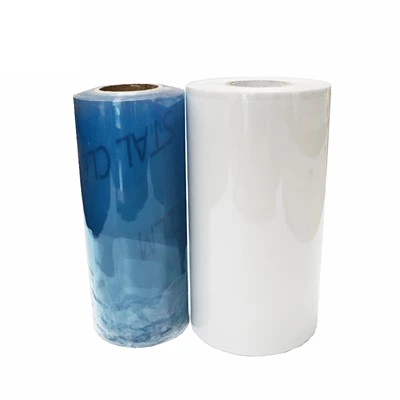
As a DTF ink supplier, we don’t mark up prices for no reason. Every extra dollar you pay for our white ink goes back into making it better: better raw materials, more testing, better manufacturing processes, making sure it works with all the popular DTF printers on the market. We don’t use cheap TiO2 or skip the stabilizers, because we’ve seen what that does to our customers’ businesses. If you’re tired of dealing with white ink that clogs your nozzles or falls apart after a few washes, hit us up to chat more. We can walk you through our formulations, send you a sample to test, and work out a deal that makes sense for your shop. No hidden fees, no fine print—just good ink that gets the job done right.
DTF Cleaning References:
- "Digital Textile Printing: Technology and Applications", Woodhead Publishing, 2020
- "Titanium Dioxide Pigments for Printing Inks", Journal of Coatings Technology and Research, 2019
- "Suspension Stability in Water-Based Ink Formulations", Journal of Printing Science and Technology, 2021
- "Durability of Direct-to-Film Prints: Factors Affecting Wash Resistance", Textile Research Journal, 2022
Shenzhen Kyeink Technology Co., Ltd.
We are one of the most experienced DTF ink manufacturers and suppliers in China, featured by quality products and good service. Please rest assured to wholesale high-grade DTF ink at competitive price from our factory. Contact us for more details.
Address: #72, Songgang Rd, Bao’an, Shenzhen, China
E-mail: yoyo@kyeink.com
WebSite: https://www.kye-ink.com/
