Hey there! I’m a supplier of PMMA Vacuum Tanks, and I often get asked about the installation requirements for these nifty pieces of equipment. So, I thought I’d put together this blog post to share all the ins and outs. PMMA Vacuum Tank
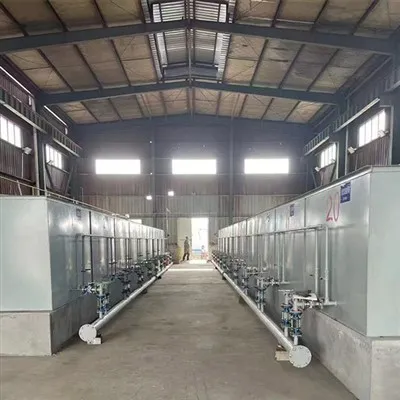
First off, let’s talk about what a PMMA Vacuum Tank is. PMMA, which stands for Polymethyl Methacrylate, is a transparent thermoplastic material. It’s known for being strong, lightweight, and having good optical clarity. PMMA Vacuum Tanks are used in a variety of industries, like research, manufacturing, and even some high – tech hobbyist setups. They’re designed to create and maintain a vacuum environment, which is crucial for many processes.
Location, Location, Location
One of the most important installation requirements is choosing the right location. The area where you plan to install the PMMA Vacuum Tank needs to be stable and level. A wobbly or uneven surface can cause stress on the tank, which may lead to cracks or leaks over time. You don’t want a costly spill or a malfunction just because the tank wasn’t sitting right!
The location should also be well – ventilated. When the vacuum pump is running, it can generate heat and exhaust gases. If the area is poorly ventilated, these can build up and create a hazardous situation. In addition, a well – ventilated area helps keep the tank at a proper operating temperature. You don’t want the tank to overheat, as that can affect its performance and longevity.
Another thing to consider is proximity to other equipment. You want to make sure there’s enough space around the tank for easy access. This is important for maintenance, inspection, and any potential troubleshooting. If the tank is crammed in between other machinery, it’s going to be a real pain to work on it when something goes wrong.
Foundation and Support
The tank needs a solid foundation. For smaller PMMA Vacuum Tanks, a sturdy metal or wooden platform might be sufficient. But for larger ones, you may need to pour a concrete foundation. The foundation should be able to support the weight of the tank, the contents inside it (if any), and the equipment connected to it, like the vacuum pump.
You also need to think about support brackets. These are used to secure the tank in place and prevent it from moving or vibrating during operation. The brackets should be made of a strong material, like steel, and should be properly attached to the foundation and the tank. Incorrectly installed support brackets can cause the tank to shift, which can lead to structural damage.
Electrical Requirements
The vacuum pump associated with the PMMA Vacuum Tank is typically electrically powered. So, you need to have a proper electrical supply. First of all, the voltage and frequency of the electrical supply must match the requirements of the vacuum pump. Using the wrong voltage can damage the pump and may even pose a fire hazard.
You should also have a dedicated electrical circuit for the vacuum pump. Don’t try to share the circuit with other high – power devices. This can cause voltage drops and fluctuations, which can affect the performance of the pump. A dedicated circuit ensures a stable power supply, which is essential for the proper operation of the tank and the pump.
In addition, you need to have proper grounding. Grounding helps protect against electrical shocks and reduces the risk of electrical fires. Make sure the electrical connections are tight and secure, and that there are no exposed wires.
Plumbing and Piping
If your PMMA Vacuum Tank is connected to other equipment through plumbing or piping, it’s important to get this right. The pipes should be made of a compatible material. For PMMA tanks, you usually want to use materials that won’t react with the PMMA or contaminate the vacuum environment. PVC or stainless – steel pipes are often good choices.
The pipes need to be properly sized. If they’re too small, they can restrict the flow of gas or liquid, which can affect the performance of the vacuum system. On the other hand, if they’re too large, it can lead to inefficient use of resources and may not provide the necessary vacuum levels.
You also need to make sure the pipes are installed without any sharp bends or kinks. These can cause turbulence in the flow, which can reduce the efficiency of the vacuum system. Proper sealing of the pipe connections is crucial to prevent leaks. Leaks can not only reduce the vacuum level but can also let in contaminants, which can be a problem for many applications.
Safety Equipment
Safety should always be a top priority when installing a PMMA Vacuum Tank. You need to have appropriate safety equipment on – site. This includes things like safety goggles and gloves, especially if you’re working with the tank during installation or maintenance.
An emergency stop button should be installed near the vacuum pump and the control panel. This allows you to quickly shut down the system in case of an emergency. You should also have a fire extinguisher nearby, as electrical equipment and the potential for flammable gases in the vacuum environment pose a fire risk.
In addition, you may need to install a pressure – relief valve. This valve is designed to release pressure if it builds up to a dangerous level inside the tank. A malfunctioning pressure – relief valve can lead to an explosion, so it’s important to have it installed correctly and regularly inspected.
Installation Procedures
When it comes to actually installing the PMMA Vacuum Tank, it’s important to follow the manufacturer’s instructions. These instructions are based on the design and specifications of the tank and are there to ensure a safe and proper installation.
First, carefully unpack the tank and inspect it for any damage during shipping. If you find any cracks or other defects, contact the supplier right away. Then, position the tank on the prepared foundation and secure it with the support brackets.
Next, connect the vacuum pump and any other electrical equipment according to the electrical requirements we discussed earlier. Be careful when making the electrical connections, and make sure you turn off the power before starting any work.
After that, connect the plumbing and piping. Make sure all the connections are tight and sealed properly. You may want to use a leak – detection solution to check for any leaks once the connections are made.
Finally, test the system. Start the vacuum pump and monitor the pressure and other parameters. Make sure the tank is maintaining the proper vacuum level and that all the equipment is working as it should. If you encounter any problems during the testing phase, don’t try to fix it on your own. Contact the supplier or a qualified technician.
Maintenance and Inspection
Once the PMMA Vacuum Tank is installed, regular maintenance and inspection are crucial. You should inspect the tank for any signs of wear and tear, like cracks or scratches, on a regular basis. Check the support brackets to make sure they’re still secure and not showing any signs of corrosion.
The electrical equipment should also be inspected regularly. Check the wiring for any signs of damage, and make sure the connections are still tight. The vacuum pump should be serviced according to the manufacturer’s recommendations. This may include changing the oil, replacing filters, and checking the motor.
The plumbing and piping should also be inspected for leaks and any signs of damage. Replace any worn – out gaskets or seals as needed. And don’t forget to test the safety equipment, like the emergency stop button and the pressure – relief valve, to make sure they’re working properly.
If you’re in the market for a PMMA Vacuum Tank, or if you have any questions about the installation requirements or anything related to these tanks, feel free to reach out. I’m here to help you every step of the way, whether you’re a small – scale user or a large industrial operation. Proper installation and maintenance of your PMMA Vacuum Tank are key to getting the most out of it and ensuring its long – term performance.
Distillation Column References:
- General knowledge from years of experience in the PMMA Vacuum Tank industry
- Technical manuals provided by equipment manufacturers
Wuxi Quansheng Industrial Equipment Co., Ltd.
As one of the most professional PMMA vacuum tank manufacturers and suppliers in China, we have world-leading production equipment and strong manufacturing capabilities. Welcome to buy high quality PMMA vacuum tank for sale here from our factory. For price consultation, contact us.
Address: No.10, Fulaiqiao Road, Hudai Town, Binhu District, Wuxi City, Jiangsu Province, China
E-mail: 397293586@qq.com
WebSite: https://www.pmmatech.com/
