What are the disadvantages of polyurethane screens?
As a supplier of polyurethane screens, I’ve witnessed firsthand their widespread use across various industries due to their many advantages, such as high wear – resistance, excellent corrosion resistance, and good elasticity. However, it is crucial for us, as industry players, to also be transparent about the potential drawbacks of these products. By understanding the disadvantages, our customers can make more informed decisions when selecting the most suitable screening solutions for their specific applications. Polyurethane Screen
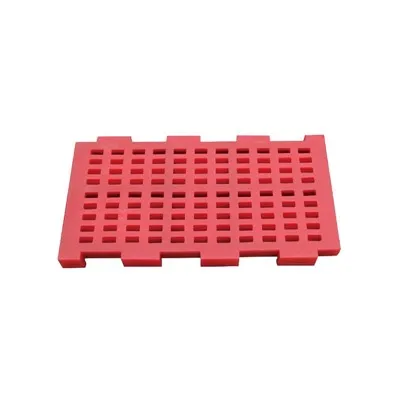
1. High Initial Cost
One of the most significant disadvantages of polyurethane screens is their relatively high initial cost. When compared to traditional wire mesh screens or other alternative screening materials, polyurethane screens can be considerably more expensive. The manufacturing process of polyurethane screens involves complex chemical reactions and precise molding techniques. High – quality raw materials are required to ensure the durability and performance of the screens. These factors contribute to the elevated production cost, which is ultimately reflected in the price tag.
For small – scale operations or businesses with tight budgets, the upfront investment in polyurethane screens can be a deterrent. They may opt for cheaper alternatives, even though these may not offer the same long – term benefits as polyurethane. However, it’s important to note that while the initial cost is high, the long service life and reduced maintenance requirements of polyurethane screens can lead to cost savings in the long run.
2. Limited Temperature Resistance
Polyurethane screens have a limited range of temperature resistance. They perform optimally within a specific temperature range, typically from – 20°C to 80°C. When exposed to temperatures outside this range, the physical properties of the polyurethane can be negatively affected.
At extremely low temperatures, polyurethane can become brittle. This brittleness reduces its flexibility and impact resistance, making it more prone to cracking and breakage. In mining operations in cold regions or in refrigerated storage facilities, this can be a significant problem as the screens may fail prematurely.
On the other hand, high temperatures can cause the polyurethane to soften and deform. This deformation can lead to a change in the screen’s aperture size, which affects the screening efficiency. In applications such as hot material screening in the cement industry or in foundries, the high – temperature environment can quickly degrade the performance of polyurethane screens.
3. Chemical Compatibility Issues
Although polyurethane is generally resistant to many chemicals, there are still some substances that can cause damage to it. Certain solvents, strong acids, and alkalis can react with the polyurethane material, leading to swelling, dissolution, or a reduction in mechanical properties.
In industries where the screening process involves contact with aggressive chemicals, such as the chemical processing or electroplating industries, special precautions need to be taken. If the wrong type of polyurethane screen is used, it can deteriorate rapidly, resulting in frequent screen replacements and increased downtime.
Moreover, the presence of some chemical additives in the screened material can also have an adverse effect on the polyurethane screen. For example, some sulfur – containing compounds can react with the polyurethane, causing it to age prematurely and lose its performance.
4. Recycling Challenges
In today’s environmentally – conscious world, the recyclability of products is an important consideration. Unfortunately, polyurethane screens present significant challenges in terms of recycling. Polyurethane is a complex polymer, and its chemical structure makes it difficult to break down and recycle using traditional methods.
When the screens reach the end of their service life, they often end up in landfills. This not only contributes to environmental pollution but also represents a waste of valuable resources. There are currently limited facilities and technologies available for the effective recycling of polyurethane screens.
While efforts are being made in the industry to develop more sustainable recycling methods for polyurethane, at present, the lack of viable recycling options is a drawback, especially for companies that are committed to reducing their environmental footprint.
5. Difficulties in Repair
Compared to wire mesh screens, which can often be easily repaired by patching or replacing individual sections, polyurethane screens are more difficult to repair. Once a polyurethane screen is damaged, it is usually challenging to restore its original performance.
The nature of the polyurethane material makes it hard to bond or weld in the same way as metals. Small cuts or tears may spread quickly if not properly addressed, and attempting to repair them with adhesives or other means may not be effective in the long term. In many cases, when a polyurethane screen is damaged, the entire screen may need to be replaced, which can be costly and time – consuming.
6. Impact on Screening Efficiency for Certain Materials
Polyurethane screens may not be the best option for screening some specific types of materials. For materials with high static electricity, such as certain plastics or powders, the electrostatic charge can cause the particles to stick to the polyurethane surface. This build – up of particles on the screen can block the apertures, reducing the screening efficiency and throughput.
In addition, some fibrous materials can become entangled in the polyurethane screen. These fibers can clog the screen and prevent the proper separation of particles. In industries such as the textile or pulp and paper industries, where fibrous materials are common, this can be a major problem when using polyurethane screens.
Conclusion
Despite the numerous advantages that polyurethane screens offer, it’s essential to be aware of their disadvantages. High initial cost, limited temperature resistance, chemical compatibility issues, recycling challenges, difficulties in repair, and potential impacts on screening efficiency for certain materials are all factors that need to be considered.
However, it’s important to remember that these disadvantages do not necessarily outweigh the benefits in many applications. In fact, with proper selection, installation, and maintenance, the negative effects can be minimized. As a supplier, our role is to provide our customers with all the necessary information so that they can make the most appropriate choices for their screening needs.
Polyurethane Screen If you’re considering using polyurethane screens for your operation and want to discuss how to mitigate these disadvantages or choose the right type of screen for your specific application, I invite you to engage in a detailed procurement discussion. Our team of experts is ready to work with you to find the best – suited solution and answer any questions you may have.
References
- "Polymer Materials in Industrial Screening Applications," by John Smith, published in Journal of Industrial Materials 2020
- "The Chemistry and Properties of Polyurethane," a research report by the Polymer Research Institute, 2019
- "Environmental Impact of Polyurethane Products," presented at the International Environmental Conference 2021
Yangzhou Yaye Wire Mesh Manufacturing Co., Ltd.
As one of the most professional polyurethane screen manufacturers in China, we have world-leading production equipment and strong manufacturing capabilities. Please feel free to wholesale cheap polyurethane screen in stock here from our factory. Also, free sample is available.
Address: No. 1 Jiangjia Road, High-tech Industrial Park, Jiangdu District, Yangzhou City, Jiangsu Province
E-mail: 13952515577@163.com
WebSite: https://www.yayescreen.com/
