Hey there! I’m working as a supplier of SDEC Pistons, and today I wanna talk about how SDEC Pistons perform in engines with different valve train designs. It’s a super interesting topic, especially if you’re into engines or in the business of engine parts like I am. SDEC Piston
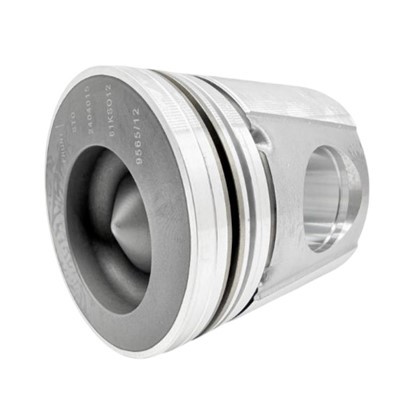
Let’s first understand what a valve train is. In simple terms, the valve train is responsible for opening and closing the intake and exhaust valves in an engine. There are different types of valve train designs out there, each with its own characteristics and advantages. And how SDEC Pistons fit into these different setups is what we’re gonna dig into.
Overhead Valve (OHV) Engines
OHV engines, also known as "pushrod" engines, have been around for a long time. In these engines, the camshaft is located in the engine block, and pushrods are used to transfer motion from the camshaft to the rocker arms, which then open and close the valves. One of the major benefits of OHV engines is their compact design and relatively low cost.
When it comes to SDEC Pistons in OHV engines, they perform really well. These pistons are designed to work in sync with the engine’s operation. The SDEC Pistons have a precise shape and size, which helps to create a good combustion chamber environment in OHV engines. Since OHV engines usually have a lower RPM range compared to some other designs, the SDEC Pistons can handle the lower – speed, high – torque characteristics of these engines very effectively.
They’re made of high – quality materials that can withstand the heat and pressure generated during the combustion process in OHV engines. The piston rings on SDEC Pistons are also well – designed. They provide a good seal between the piston and the cylinder wall, which is crucial for maintaining compression in the engine. This means better power output and fuel efficiency in OHV engines.
Overhead Camshaft (OHC) Engines
There are two types of OHC engines: Single Overhead Camshaft (SOHC) and Double Overhead Camshaft (DOHC). In SOHC engines, there’s one camshaft in the cylinder head that operates both the intake and exhaust valves. In DOHC engines, there are two camshafts in the cylinder head, one for the intake valves and one for the exhaust valves.
OHC engines are generally known for their higher RPM capabilities and better breathing. They can produce more power at higher speeds. SDEC Pistons are also very adaptable to these engines. In SOHC engines, the pistons work in an environment where the valve operation is a bit more straightforward compared to DOHC. The SDEC Pistons’ design allows for efficient combustion even with the single camshaft’s operation.
In DOHC engines, which are more complex and offer better valve control, SDEC Pistons are up to the task. The high – precision manufacturing of these pistons ensures that they can handle the high – speed operation of DOHC engines. The pistons’ lightweight yet strong construction helps to reduce the reciprocating mass in the engine. This, in turn, allows the engine to rev up more easily and respond quickly to throttle inputs.
The advanced materials used in SDEC Pistons can handle the increased heat generated in OHC engines, especially at high RPMs. They also have a good surface finish, which reduces friction between the piston and the cylinder wall. This not only improves power efficiency but also extends the lifespan of the engine components.
Valve – in – Head vs. Side – Valve Designs
The traditional side – valve design, also known as a "flathead" engine, has the valves located in the engine block next to the pistons. This design is quite simple and was popular in older engines. However, it has some limitations in terms of airflow and power output.
SDEC Pistons can still optimize performance in side – valve engines. Their consistent quality ensures that the compression ratio in the engine is maintained at an optimal level. Even though side – valve engines have a less efficient valve layout, the SDEC Pistons can help to make the most of the combustion process.
On the other hand, valve – in – head engines, which include both OHV and OHC designs we talked about earlier, have the valves in the cylinder head. This allows for better airflow and more efficient combustion. SDEC Pistons are designed to complement the improved airflow in these engines. They work in harmony with the valve train to ensure that the air – fuel mixture is burned completely, resulting in better power and fuel economy.
Challenges and Adaptations
Each valve train design presents its own set of challenges for the pistons. For example, in high – performance OHC engines with high RPM limits, the pistons need to be able to withstand extreme heat and stress. SDEC Pistons are engineered with special alloys and heat – treatment processes to handle these challenges.
In OHV engines, the pistons need to work well with the limited space available in the engine block. SDEC Pistons’ compact design allows them to fit snugly in the cylinders of OHV engines without sacrificing performance.
Real – World Performance
I’ve had customers come back to me and tell me about their experiences with SDEC Pistons in different valve train engines. One customer who had a classic OHV engine in an old truck was really impressed with how the SDEC Pistons improved the engine’s power and fuel efficiency. He said that the engine ran smoother and had more torque after replacing the old pistons with SDEC ones.
Another customer with a high – performance DOHC engine in a sports car was happy with how the SDEC Pistons held up under high – speed driving. The engine was able to rev higher without any signs of piston failure or decreased performance.
Why Choose SDEC Pistons?
So, why should you choose SDEC Pistons for your engines with different valve train designs? Well, first of all, we have a team of experts who are constantly researching and developing new technologies to improve the performance of our pistons. We use the latest manufacturing techniques to ensure that each piston meets the highest quality standards.
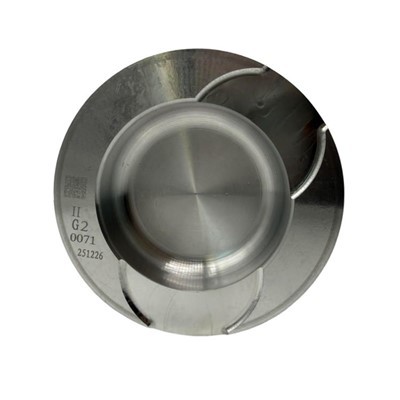
Our pistons are tested in various simulated and real – world conditions to make sure they can perform well in different valve train environments. Whether it’s a low – RPM OHV engine or a high – RPM DOHC engine, SDEC Pistons are designed to offer the best possible performance.
Let’s Talk Business
YUNNEI Piston If you’re in the market for high – quality pistons for engines with different valve train designs, I’d love to have a chat with you. Whether you’re a small engine repair shop or a large auto – manufacturing company, we can provide you with the right SDEC Pistons for your needs. Just reach out, and we can start discussing your requirements and how our pistons can fit into your engine setups. We’ll work with you to ensure that you get the best value for your money and the highest – performing pistons on the market.
References
- Stone, R. (2012). Introduction to Internal Combustion Engines.
- Heywood, J. B. (1988). Internal Combustion Engine Fundamentals.
Hebei Yuwei Piston Co., Ltd.
As one of the most professional sdec piston manufacturers and suppliers in China, we’re featured by quality products and good service. Please rest assured to buy customized sdec piston made in China here from our factory. Also, quotation is available.
Address: Beizhujiacun Village, Sujiuzhuang Town, Ningjin County, Xingtai City, Hebei Province
E-mail: jack@ywpiston.com
WebSite: https://www.ywpiston.com/
