Hey there, folks! As a supplier of square nuts, I get asked a ton of questions every day, but one that pops up more often than not is, "How do I choose the right size of square nut?" It might seem like a simple question at first glance, but trust me, it’s got a whole lot more to it than meets the eye. So, let’s dive right in and break it down step by step. Square Nut
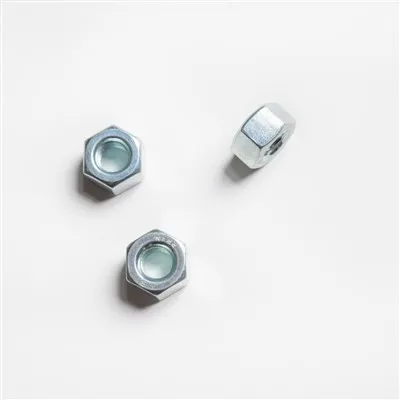
First off, let’s talk about why the size of a square nut matters. You see, the size of a square nut isn’t just a random number. It’s designed to work in harmony with the bolt or screw it’s paired with. If you choose a nut that’s too small, it won’t fit properly on the bolt and could easily come loose, which is a huge safety hazard. On the other hand, if the nut is too big, it won’t grip the bolt tightly enough, and you’ll end up with a wobbly joint that’s just asking for trouble.
So, where do you start when it comes to choosing the right size? Well, the first thing you need to do is figure out the diameter of the bolt or screw you’ll be using. This is usually measured in millimeters or inches, depending on where you’re from. You can use a caliper to get an accurate measurement, but if you don’t have one handy, you can also try using a ruler. Just make sure to measure across the widest part of the bolt’s threads.
Once you know the bolt diameter, you can use this as a starting point to find the right size square nut. In general, the size of a square nut is determined by its nominal size, which corresponds to the size of the bolt it’s designed to fit. For example, if you have a 10mm bolt, you’ll typically need a 10mm square nut. However, it’s important to note that there can be some variation in sizing between different manufacturers, so it’s always a good idea to double-check the specifications before making a purchase.
Another important factor to consider is the pitch of the bolt’s threads. The pitch refers to the distance between each thread, and it’s crucial that the nut has the same pitch as the bolt. If the pitch doesn’t match, the nut won’t screw onto the bolt properly, no matter how close the diameter is. You can usually find the pitch information on the bolt itself or in the product documentation.
Now, let’s talk about the thickness of the square nut. The thickness, also known as the height or length, of a nut can vary depending on the application. In general, thicker nuts provide more strength and durability, but they can also be heavier and more expensive. Thinner nuts, on the other hand, are lighter and more cost-effective, but they may not be suitable for applications that require a lot of torque.
When choosing the thickness of a square nut, you’ll need to consider the amount of force that will be applied to the joint. If you’re working on a high-stress application, such as a construction project or a heavy machinery, you’ll probably want to go with a thicker nut. For lighter applications, like furniture assembly or DIY projects, a thinner nut should be sufficient.
In addition to the diameter, pitch, and thickness, you’ll also need to consider the material of the square nut. Square nuts can be made from a variety of materials, including steel, stainless steel, brass, and nylon. Each material has its own unique properties and advantages, so it’s important to choose the one that’s best suited for your specific application.
Steel nuts are the most common type and are known for their strength and durability. They’re suitable for a wide range of applications, but they can rust if not properly coated or treated. Stainless steel nuts, on the other hand, are resistant to corrosion and are a great choice for outdoor or marine applications. Brass nuts are softer and more malleable than steel or stainless steel, making them ideal for applications where a tight fit is required. Nylon nuts are lightweight and have good insulating properties, making them a popular choice for electrical applications.
So, there you have it, folks! Choosing the right size of square nut might seem like a daunting task, but as long as you keep these factors in mind, you should be able to find the perfect nut for your needs. Remember, it’s always better to take the time to do your research and make an informed decision than to rush into a purchase and end up with a nut that doesn’t work.
If you’re still not sure which size or type of square nut is right for you, don’t hesitate to reach out to me. As a supplier, I’ve got years of experience and a wealth of knowledge when it comes to square nuts, and I’d be more than happy to help you find the perfect solution for your project. Whether you’re a professional contractor or a DIY enthusiast, I’m here to assist you every step of the way.
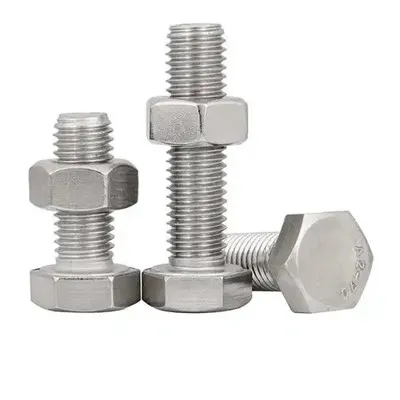
So, what are you waiting for? Let’s get started on finding the right square nuts for your next project. Just drop me a line, and we can start talking about your specific requirements. I’m looking forward to hearing from you!
Stainless Rods References
- "Fastener Standards Handbook" by Industrial Fasteners Institute
- "Machinery’s Handbook" by Industrial Press Inc.
Jiaxing Jinling Hardware Technolgy Joint Stock Co., Ltd.
As one of the most experienced square nut manufacturers and suppliers in China, we also support customized service. Please feel free to buy bulk high-grade square nut made in China here from our factory. For quotation and price list, contact us now.
Address: No.32, Shenjiadai, Xuyouche Village, Qinshan Subdistrict, Haiyan County, Zhejiang Province, China
E-mail: jlzxl@jinlingfstn.com
WebSite: https://www.china-nut-factory.com/
