If you’ve ever stood in a grid control center, watching live voltage curves flicker across dozens of monitors, or driven past a large industrial complex where smokestacks rise in orderly rows, you’ve probably seen the quiet backbone that keeps it all running: the rectifier transformer. For 12 years, I’ve supplied these transformers to industries that depend on steady, high-power DC current—aluminum smelters, EV battery manufacturing plants, and large-scale data centers that can’t afford even a millisecond of power disruption. I’ll be honest, when I first started out, I thought rectifier transformers were just another type of big, heavy transformer. But over the years, I’ve learned their impact on the power grid is far more nuanced than that: they don’t just deliver power—they shape its quality, stability, and even its ability to integrate renewable energy. Today, I want to walk you through that impact, from the on-grid effects I see every day to why choosing the right rectifier transformer isn’t just about getting the right tool for your factory—it’s about protecting the entire grid around you. Rectifier Transformer
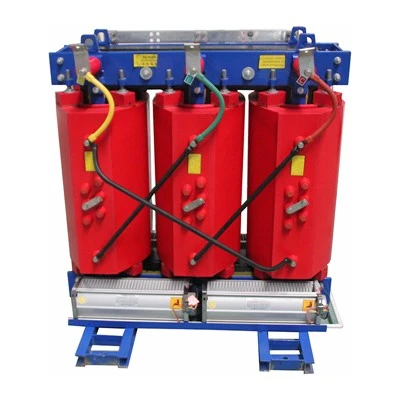
Let’s start with the basics, because even for folks who work with power systems daily, there’s often confusion between a standard distribution transformer and a rectifier transformer. A standard transformer steps voltage up or down and sends alternating current (AC) straight through to the load. A rectifier transformer does that too, but its whole job is to pair with a rectifier to turn that AC into direct current (DC), which is what most heavy industrial processes use. That core function changes how the transformer interacts with the grid in big ways. The biggest and most immediate impact I see is on power quality, specifically harmonic distortion. Here’s how that works: when a rectifier draws current from the grid, it doesn’t draw a smooth, sinusoidal wave. It pulls chunks of current at specific frequencies that are multiples of the grid’s fundamental frequency (50 or 60 Hz, depending on where you are). These are called harmonics, and they’re like static on a radio—they mess with every other device connected to the same grid.
A few years back, I had a client who ran an aluminum smelter in the Midwest. They’d just installed a new batch of rectifier transformers from a cut-rate supplier, and within three months, their neighboring food processing plant was complaining that their conveyor belt motors were overheating and tripping breakers every other week. We did a grid audit, and the culprit was 11th and 13th order harmonics coming from the smelter’s rectifier transformers. Those harmonics add extra heat to motors, cause incorrect readings on metering equipment, and even interfere with communication lines that run along power poles. The cheap transformers they’d bought didn’t have proper phase shifting or optimized winding designs to cancel out those harmonics. Once we swapped them for units we manufacture, with 12-pulse rectifier configurations that reduce harmonic output by 80% or more, the food plant’s issues stopped immediately. That story stuck with me because it drove home a point I still preach to every new client: rectifier transformers don’t just affect your operation—they’re active participants in the grid’s health, and their design determines how much pollution (for lack of a better term) they feed back into it.
Harmonics aren’t just a nuisance, either. They put unnecessary strain on the entire grid’s infrastructure. Transformers, cables, and switchgear are all designed to handle specific current loads at a pure sine wave. Harmonics add to the total current, effectively increasing the load beyond what was calculated when the grid was built. In areas with high concentrations of heavy industrial loads, this can lead to premature wear on local substation equipment, longer outage times during maintenance, and even higher energy costs for everyone connected to the grid—utilities often charge industrial clients extra for poor power quality because they have to oversize their equipment to compensate for harmonics. I’ve seen clients ignore this at their peril: one steel mill skipped investing in harmonic mitigation for two years, and their local substation had to replace two transformers early because of overheating caused by harmonic current. The cost of that replacement was three times what they would have spent on properly designed rectifier transformers in the first place.
Next, there’s grid stability, and specifically reactive power management. Reactive power is the power that doesn’t do any actual work (like running a motor or melting aluminum) but is necessary to keep AC voltage flowing through the grid. Rectifier transformers draw a lot of reactive power, because their rectification process requires energy to create the magnetic fields needed for DC conversion. If that reactive power isn’t managed correctly, voltage levels can drop or spike, which is a big problem for grid stability. For example, during peak production shifts at a battery manufacturing plant, the rectifier transformers draw extra power, and if there’s not enough reactive power support, voltage can sag. A 10% voltage sag might not be noticeable for a light bulb, but it can be catastrophic for semiconductor manufacturing, where even a minor voltage drop can ruin entire batches of wafers.
That’s why modern rectifier transformers are designed with integrated reactive power compensation, like tap changers or even built-in static VAR compensators (SVCs). When we design our units, we work with the local utility’s grid data to calculate how much reactive power the client will need at different load levels, and build that compensation right into the transformer. A few months ago, I worked with a data center client in Texas that was expanding to support 500MW of power. Their local utility had warned them that if they didn’t manage their reactive power, voltage sags during peak hours could trigger grid-wide stability issues. We installed rectifier transformers with dynamic SVCs that adjust reactive power in real time, keeping voltage within ±1% of the required level, and the utility was able to approve the expansion without having to upgrade the local substation. That’s a win for everyone: the client got the power they needed, and the utility avoided millions in infrastructure costs.
Now, as the grid shifts more toward renewable energy, this role of rectifier transformers is getting even more important. Wind and solar power generate DC power initially, which means it has to be converted to AC to feed into the grid, and then often converted back to DC for long-distance transmission or storage in batteries. The rectifier transformers that handle this bi-directional conversion are not just supporting renewable energy—they’re enabling it. But here’s the catch: renewable energy is intermittent. Solar only generates during the day, wind only when it’s blowing, so the grid has to balance variable power with stable loads. Rectifier transformers used in renewable energy systems have to be flexible enough to handle ramping power levels up and down quickly, without introducing harmful harmonics or destabilizing the grid.
Last year, I supplied rectifier transformers to a large solar farm in the Southwest that was pairing 2GW of solar with a 500MW battery energy storage system (BESS). The farm’s goal was to provide consistent power to the grid, even when the sun was down. The rectifier transformers for the BESS had to handle power flowing in both directions: when the solar farm was producing extra power, they converted AC to DC to charge the batteries, and when demand was high, they converted DC back to AC to feed the grid. The challenge was that this bi-directional flow could cause voltage fluctuations if the transformers weren’t optimized. We designed units with advanced digital control systems that adjust the rectification process every millisecond, smoothing out the variable power from the solar panels and making it look like steady, predictable power to the grid. The farm now provides reliable power to the grid, and they’ve earned extra revenue for providing grid stability services—all because the rectifier transformers were built to adapt to renewable energy’s unique needs.
But for all their benefits, rectifier transformers can also be a bottleneck if they’re not integrated properly into the grid. For example, many older rectifier transformers were designed decades ago, when the grid was smaller and load levels were more predictable. Today, with industrial loads growing and renewable energy being added constantly, these old units can cause voltage imbalances or harmonic resonance that disrupts the entire grid. A resonance event happens when the harmonic frequency from a rectifier transformer matches the grid’s natural frequency, causing voltage spikes that can damage equipment. I’ve been part of two projects in the last five years where old, mismatched rectifier transformers on a local grid caused resonance events that knocked out power to thousands of homes for several hours. Replacing those old units with modern, grid-compliant rectifier transformers eliminated the risk, and in one case, even allowed the local utility to add 100MW of new solar capacity without any grid upgrades.
Now, I want to be clear: I’m not saying every rectifier transformer is a problem. The impact they have on the grid depends entirely on how they’re designed, sized, and installed. A poorly designed, mismatched unit can cause all kinds of issues, but a well-engineered rectifier transformer can actually improve grid reliability, especially as we move toward a more renewable-powered future. The key here is collaboration: when an industrial client is planning a new rectifier transformer installation, they shouldn’t just work with the equipment supplier—they should work with their local utility to understand the grid’s limits and requirements. For me, that’s the most rewarding part of my job: I don’t just sell transformers. I work with clients and utilities to design units that fit their grid, not the other way around.
Let’s circle back to that aluminum smelter I mentioned earlier. A year after we replaced their old transformers, they expanded their operation by 20%. This time, they worked with the utility from the start, and together we designed rectifier transformers that not only met their new power needs but also reduced their harmonic output even further. Now, their operation is both profitable and grid-friendly, and they’ve become a go-to example for other industrial clients in the region. That’s the kind of impact I care about: creating equipment that helps businesses grow without hurting the grid we all rely on.
If you’re an industrial operator, a utility engineer, or someone planning a new project that requires rectifier transformers, you don’t have to guess how your choice will affect the grid. Whether you’re upgrading an old facility, adding a new battery storage system, or integrating renewable energy into your operation, the right rectifier transformer is a critical part of keeping everything running smoothly. I’ve spent 12 years learning the ins and outs of how these units interact with the grid, and I can help you design, size, and install a solution that meets your needs while protecting the power quality and stability of the system around you.
To learn more about how rectifier transformers impact your grid, or to discuss your specific project requirements, feel free to reach out and connect with our team for a consultation. We’re ready to help you find the right solution.
Rectifier Transformer References
- IEEE Guide for Harmonic Control and Reactive Compensation of Static Power Converters, IEEE Standard 519-2014
- Electric Power Research Institute (EPRI), "Rectifier Transformer Impacts on Grid Power Quality and Stability," 2021
- International Electrotechnical Commission (IEC), "Transformers for Rectifier Applications," IEC Standard 61378-1:2017
- U.S. Department of Energy (DOE), "The Role of Rectifier Transformers in Integrating Renewable Energy and Energy Storage," 2022
- North American Electric Reliability Corporation (NERC), "Grid Modernization and Industrial Load Impacts," 2023
Zhejiang Jiangshan Hengli Electrical Co., Ltd.
Zhejiang Jiangshan Hengli Electrical Co., Ltd. is one of the most professional rectifier transformer manufacturers and suppliers in China, featured by quality products and low price. Please rest assured to wholesale cheap rectifier transformer in stock here and get pricelist from our factory. Customized orders are welcome.
Address: 212 Fuzhu Street Sidu Town, Jiangshan, Zhejiang, China
E-mail: henglijs@foxmail.com
WebSite: https://www.henlypower.com/
