If you’re in the market for twill woven fabric (let’s be real—whether it’s for workwear, jeans, upholstery, or that custom tote you’ve been sketching), you know not all twill is made equal. As a twill woven fabric supplier who’s been in this game for over a decade, I’ve gotten dozens of DMs and calls asking the same thing: Which countries actually crank out the majority of high-quality, cost-effective twill these days? It’s not just a random “everyone makes it” type thing—there are solid, industry-driven reasons certain nations dominate, and I’ve spent years sourcing, sorting, and shipping twill from most of them, so I’m spilling the real tea (no corporate fluff, promise). Twill Woven Fabric
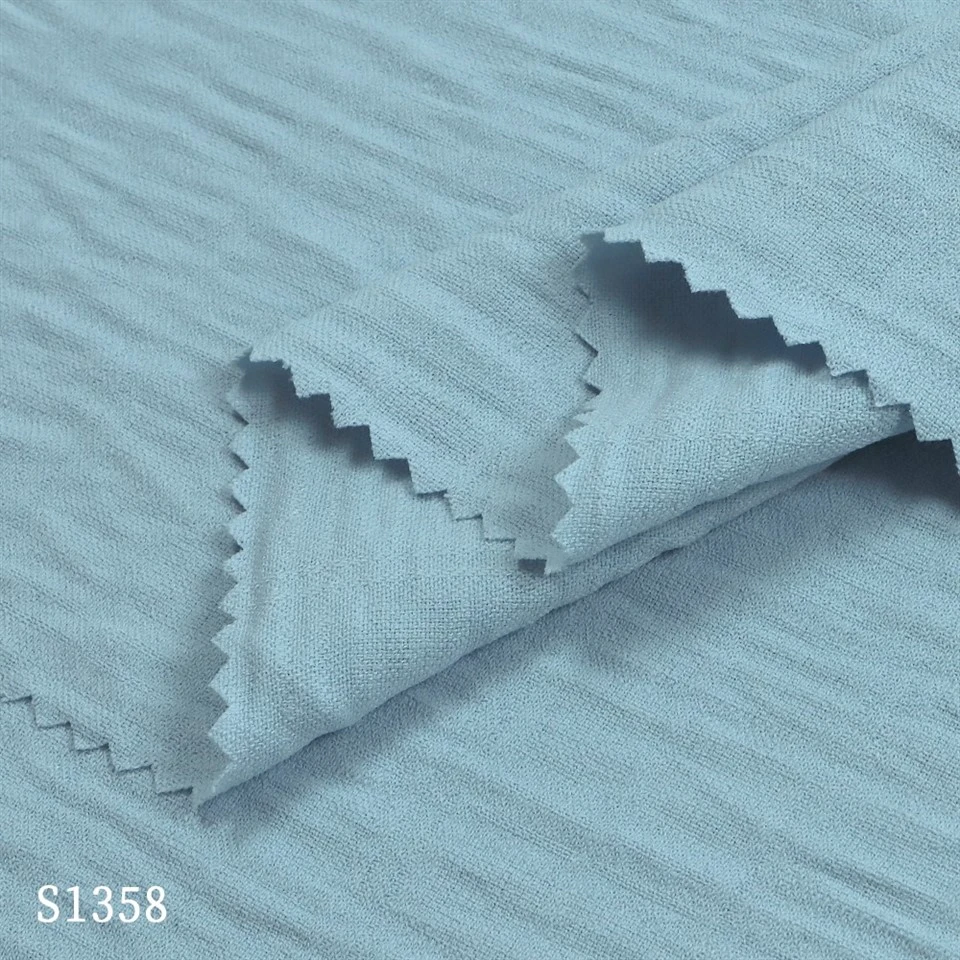
First, let’s get one thing straight: Twill is a weave, not a fiber. It’s that diagonal pattern you see on denim, chinos, utility pants, and even heavy canvas—made by interlacing weft fibers over two or more warp threads before going under one, creating that distinct herringbone or parallel slant. That structure is what makes twill so durable, flexible, and perfect for everything from tight-fitting work jeans to weather-resistant upholstery. But making consistent, quality twill? You need access to raw materials, advanced machinery, skilled weavers, and supply chains that don’t break the bank. Let’s dive into the big players, starting with the one that’s been my go-to for most mid-range to premium twill over the last 8 years: China.
Yeah, I know, when someone says “major fabric producer,” China is usually the first name that pops up—and for twill, that’s 100% true. I’ve visited three different weaving hubs in China (Guangdong, Jiangsu, and Shandong) and let me tell you, it’s a well-oiled machine now, not just a “cheap fast fashion” hub. Back in the 2000s, a lot of Chinese twill was thin, scratchy, and only for cheap jeans. Not anymore. The big mills there have invested millions in automated looms that crank out 100k+ meters of twill a month, with precise diagonal patterns, consistent thread count, and everything from cotton twill to polyester-cotton blends, stretch twill for leggings or casual pants, even heavy-weight twill for work gear. What makes China stand out? Scale and versatility. If I need a small batch (like 500 meters for a custom brand) or a 100,000-meter order for a major retail chain, China can handle both, no problem. Their raw material supply is unbeatable too—most of the world’s cotton is traded through Chinese ports, so they don’t have to wait on other countries for their main input. Sure, you have to vet the mill (some still cut corners on thread count), but if you pick a reliable one, Chinese twill is hard to beat for value and consistency.
Next up, India. India is a whole different beast when it comes to twill, and I’d argue it’s the best source for organic and natural fiber twill. Wait, why? Because India has some of the world’s largest organic cotton farms, and their traditional weaving skills are second to none. I source a lot of organic cotton twill from Tamil Nadu and Punjab for eco-friendly brands, and it’s amazing—soft, durable, that perfect matte finish that doesn’t feel synthetic. A lot of Indian twill is still made with a mix of modern and traditional looms too; small village weavers make unique, hand-dyed twill for small boutiques, while big mills in Mumbai and Ahmedabad do mass production for global brands. What’s the catch with India? Turnaround times are a little longer than China (usually 4-6 weeks vs. 2-3), and if you’re not used to working with South Asian supply chains, communication can be a bit tricky sometimes. But if you want quality natural twill that’s fair-trade or organic, India is the place to go. Last year, I had a client who made all their organic workwear from Indian cotton twill, and it held up through 12 months of industrial use—no fraying, no fading, nothing.
Now, let’s talk about a nation that’s been quietly growing in twill production over the last 10 years, and it’s become my secret weapon for fast turnaround on small to medium orders: Turkey. Turkey is right there between Europe and Asia, so it has access to both European machinery and low-cost labor, which makes their twill a middle ground between European quality and Asian prices. I’ve worked with mills in Istanbul and Bursa for stretch twill and denim twill, and their quality is on par with top European mills but costs 20-30% less. Why’s Turkey underrated? Because most people don’t think of it when they think of fabric, but their mills have some of the latest automation—computer-controlled looms that can adjust the diagonal pattern and thread count on the fly, so if you need a custom twill (like a 10oz twill for work pants that’s lighter than standard denim), Turkey can crank that out in a week or two, no hassle. Also, Turkey is super close to Europe, so shipping times to the EU are half of what they are from China or India. If you’re a small brand in Germany or France needing a 2,000-meter order, Turkish twill is the way to go—no customs delays, no long waits, great quality.
Wait, can’t forget Italy. Yeah, Italy—home to fashion, luxury, and all that high-end stuff. Their twill is not for mass production, but it’s the gold standard for premium twill, especially for luxury apparel and designer pieces. I’ve sourced twill from small mills in Piedmont and Lombardy for high-end jeans and tailored blazers, and it’s next level. They use super fine cotton, sometimes cashmere blends, and vintage looms that have been in the same family for generations. The diagonal pattern is so crisp, the fabric feels luxe—like, you run your hand over it and you can tell it’s not cheap. But here’s the thing: Italian twill is expensive. Like, 3-4 times more than Chinese twill for the same thread count. And minimum orders are huge—like 5,000 meters. So it’s not for the average retail brand. It’s for big luxury houses or bespoke tailors that want that “made in Italy” cachet. I only work with Italian twill occasionally, when a client needs that premium edge, but it’s definitely a major player in the twill market, just for a niche.
Another one that’s been popping up more lately: Vietnam. Vietnam used to be just for assembling clothes, but their weaving industry has blown up in the last 5 years, especially with twill. A lot of Western brands have moved production from China to Vietnam to avoid tariffs, so the mills there have upgraded big time. I source a lot of mid-range twill (for casual pants, uniforms) from Ho Chi Minh City and Hai Phong, and it’s solid. The quality is close to China, but turnaround times are a bit faster, and they have better labor standards if that’s a concern for your brand. Vietnam’s twill is perfect for brands that want mid-range pricing, ethical production, and no hassle. I had a client last year who switched from Chinese twill to Vietnamese twill because of shipping delays, and they haven’t looked back—consistent, good quality, no issues.
Wait, should I mention places like Bangladesh? Yeah, Bangladesh is a big player too, mostly for super low-cost twill for fast fashion. But to be honest, their twill is hit or miss. Some big mills make decent twill for cheap t-shirts or basic jeans, but a lot of it is thin, fades fast, and doesn’t have that consistent diagonal. I rarely source from Bangladesh unless a client is on an extremely tight budget and doesn’t care about long-term durability. It’s a major producer, but not one I’d recommend for quality-focused brands.
Now, let’s talk about what these countries have in common, because I get asked this all the time: Why do these nations dominate twill production? It’s not just luck. First, access to raw materials. China, India, and Turkey all have big cotton industries, so they don’t have to import most of their fiber, which keeps costs down. Second, investment in machinery. The old days of hand looms making twill are long gone—now it’s all automated, computer-controlled looms that can make 10 times more fabric with less error. The top mills in all these countries have that. Third, supply chain infrastructure. China, Vietnam, Turkey have ports, roads, and factories that are set up to move fabric fast, no red tape.
But here’s the real tea I wish I could tell all my new clients: The “best” country for twill depends entirely on what you need. If you’re a fast fashion brand needing 100k meters of basic cotton twill on a $1 per meter budget, China or Bangladesh is your spot. If you’re an eco-friendly brand needing organic twill, India. If you’re a small European boutique needing 2k meters of custom stretch twill in 2 weeks, Turkey. If you’re a luxury brand needing that premium “made in Italy” twill for a limited collection, Italy. If you’re a mid-range brand wanting ethical, fast delivery, Vietnam.
And let’s be real, a lot of people don’t realize that most brands mix it up. I work with a big outdoor gear company that sources their base twill from China, their organic accents from India, and their custom work twill from Turkey. You don’t have to pick one country—use each for what they do best.
As someone who’s been doing this for 12 years, I’ve seen the twill market change a lot. 10 years ago, China was the only game in town for most brands. Now, there are so many options, which is great for buyers. But it also means you have to do your research—don’t just go with the cheapest quote, because you might get twill that frays after one wash, or a 10 week turnaround that messes up your production schedule.
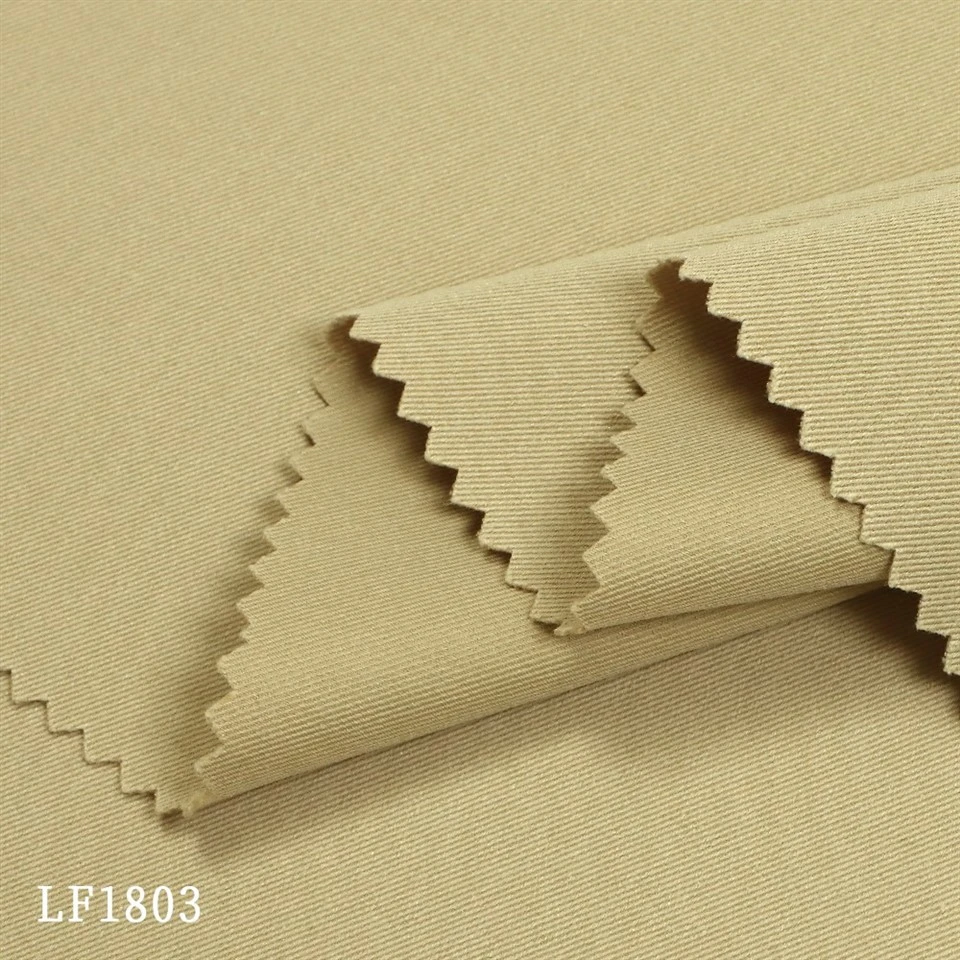
If you’re a brand owner, designer, or anyone looking for reliable twill woven fabric, I’ve got connections and experience with mills in all these countries, and I can help you source the right twill for your project. Whether you need a small sample order, a big bulk shipment, or something custom, I’m here to make the process simple—no hoops, no hidden fees, just good twill at a fair price. Reach out anytime to chat through your needs, I’m always down to help a fellow creator or business owner.
Cavalry Twill References: Textile Industry Association, Global Fabric Production Report 2023; International Trade Administration, Woven Fabric Sourcing Guide 2022; Global Organic Textile Standard (GOTS) Annual Report 2024.
Shaoxing Huichao Textile Co., Ltd.
As one of the most professional twill woven fabric manufacturers and suppliers in China, we offer a wide range of products with superior quality. Please feel free to wholesale bulk high-end twill woven fabric in stock here from our factory. Good service and reasonable price are available.
Address:
E-mail: darrenzhong@huichaotextile.com
WebSite: https://www.huichao-textile.com/
