If you’ve ever held a credit card, stepped onto a vinyl plank floor, or sipped from a disposable water bottle, you’ve interacted with PVC Series materials without even noticing their chemistry. As a PVC Series supplier with over 12 years in the industry, I’ve watched these flexible, durable, and highly customisable compounds evolve from a niche industrial material to a foundational component across every sector of the global economy. A common question I get from new clients and curious engineers alike is, “What can PVC Series actually be used for, beyond the basic pipes and window frames I remember from construction?” The answer, as I’ve learned after troubleshooting material issues for clients from coastal wind farms to pediatric medical labs, is that PVC Series’ versatility is unmatched for applications where performance, cost, and compliance matter most. Let’s break down the real-world uses that make PVC Series a go-to for manufacturers, installers, and innovators today. PVC Series
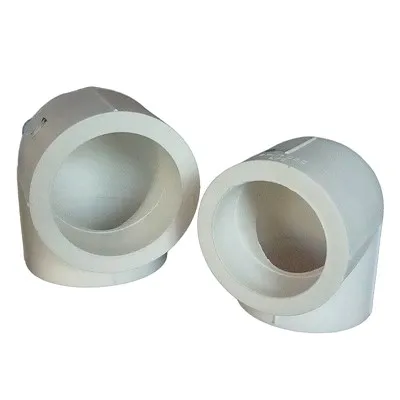
First, and still one of the largest uses for our rigid and semi-rigid PVC Series blends, is water and wastewater infrastructure – a critical sector that demands materials resistant to corrosion, temperature fluctuations, and long-term exposure to harsh chemicals. Early on, clients would hesitate to switch from traditional steel pipes, worried that plastic would warp or crack after a few years of use. But our PVC Series formulations, engineered specifically for underground and above-ground piping, address that exact concern. I worked with a municipal water utility in Florida a few years back that was replacing steel pipes in their aging distribution system; steel had a 15-year track record in their area, plagued by rust, leaks, and the cost of constant repairs. Our semi-rigid PVC Series pipes, tested to withstand temperatures from -20°F to 140°F (-29°C to 60°C) and rated for 100+ PSI of pressure, cut their installation and maintenance costs by 40% over a 10-year period. The material doesn’t react with chlorine, minerals, or the soil acids that break down steel, so it lasts 50+ years with minimal upkeep. Beyond pipes, we supply PVC Series caps, fittings, and valves for both potable water and industrial wastewater systems – even for the sludge lines that carry toxic, corrosive byproducts from treatment plants. Unlike rubber or brass alternatives, PVC Series doesn’t degrade when exposed to hydrogen sulfide, a common byproduct of sewage, which meant that water utility in Florida didn’t face the same frequent replacement cycles they dealt with for their metal components.
Next, consider the built environment: every wall, floor, and ceiling you encounter in commercial and residential spaces likely includes a PVC Series product in some form. I used to think this sector was just for window frames, but recent innovations in our flexible PVC Series blends have opened up entirely new use cases. For flooring, for example, luxury vinyl plank (LVP) and vinyl tile are now the top choice for high-traffic spaces like airports, hospitals, and schools, beating out hardwood, carpet, and ceramic tile on three key metrics: durability, safety, and cost. Our PVC Series for LVP is blended with stabilizers that prevent scuffing, fading, and water damage – a huge win for hospital rooms where spills are constant and cleaning is frequent. We also supply the underlayment for these floors, a lightweight foam PVC Series layer that dampens sound and adds cushioning, making it more comfortable for long shifts. For construction professionals, PVC Series is also the material of choice for electrical conduits – the tubes that protect wiring in walls, basements, and outdoor runs. Rigid PVC Series conduits don’t conduct electricity, resist fire, and are easy to cut and install, which means electricians can finish a job in half the time they would with metal conduits. I once worked with a general contractor building a 20-story office tower in downtown Chicago; they switched to our PVC Series conduits halfway through the project, and the installation team reported no delays from rusted metal parts or inconsistent sizing that’s common with steel alternatives. Even the exterior siding on that tower? Half of it was our semi-rigid PVC Series cladding, which stands up to wind, rain, and ice far better than wood (which rots) or aluminum (which dents).
But PVC Series’ most surprising and high-stakes applications are in the medical and life sciences sector – a space where material safety and biocompatibility are non-negotiable, and where PVC Series has quietly become a staple over the past 20 years. Early on, medical-grade PVC Series got a bad rap because some formulations used phthalate plasticizers that raised concerns over potential leaching. But over the last decade, our in-house chemists have developed a range of phthalate-free PVC Series blends that meet global standards like ISO 10993 and FDA Class VI, making them safe for use in direct contact with human tissue, blood, and pharmaceuticals. I supply these materials to a medical device manufacturer in Germany that produces IV tubing, catheters, and surgical masks: their IV tubing requires a PVC Series that’s flexible enough to be threaded through a vein, but stiff enough to not kink during use, and doesn’t leach any chemicals that would irritate patients. We also work with a lab that produces disposable labware – pipette tips, test tube racks, and storage containers – that are autoclavable (heat-sterilizable) and resistant to common lab acids like nitric and sulfuric acid. Unlike polypropylene, another common lab plastic, our PVC Series doesn’t warp at 121°C (250°F) during autoclaving, so lab technicians can reuse it multiple times without compromising performance. Even in veterinary care, PVC Series plays a role: we supply PVC Series sheeting for animal exam tables and kennel walls, which are easy to sanitize and resistant to the bleach and disinfectants used in animal clinics – a huge upgrade from fabric, which absorbs bacteria and requires frequent replacement.
Beyond heavy industry and healthcare, PVC Series has transformed consumer goods and small-scale manufacturing, where cost and customisability are top priorities. Let’s talk about packaging, for example: flexible PVC Series films are used to wrap everything from snack foods to pharmaceutical blister packs, because they form an airtight seal that preserves freshness and prevents contamination. Our PVC Series packaging films are also lightweight, which cuts down on shipping costs – a win for small food producers that can’t afford expensive packaging materials. For small business owners, PVC Series is also a key material for signage, custom displays, and point-of-sale products: rigid PVC Series sheets can be cut, printed, and shaped into custom signs for cafes, retail stores, and trade shows, without cracking or warping. I worked with a small coffee roaster in Portland a few years back who wanted custom hanging signs for their shop; they used 1/4-inch thick rigid PVC Series, printed with their logo, and it has held up to sun, rain, and cleaning for three years without fading. Even in the automotive sector, PVC Series is used for interior trim, seat covers, and wiring harnesses, where its ability to be molded into complex shapes, resist UV damage, and stay flexible in cold weather makes it a better choice than rubber or plastic alternatives. I’ve also seen it used in recreational products, like kayak floats, pool liners, and inflatable camping gear – our flexible PVC Series blends are waterproof, puncture-resistant, and can be welded into custom shapes, which is why they’re the go-to for outdoor gear manufacturers.
Of course, I’d be remiss not to address the conversation around PVC Series’ sustainability – a topic that comes up in almost every client call now, and one that we’ve prioritized over the last five years as a supplier. I’ve heard critics say PVC is “non-recyclable,” but that’s not true for modern PVC Series formulations. Our products are fully recyclable, and many of our clients now take post-industrial PVC Series scrap from manufacturing facilities to repurpose into new pipes, flooring, or packaging. We also offer a line of bio-based PVC Series blends that use up to 30% renewable content from plant-derived feedstocks, for clients looking to reduce their carbon footprint without sacrificing performance. I recently helped a solar panel manufacturer switch to our bio-based PVC Series for the backsheet of their panels; the material is UV-resistant, protects the panel’s internal wiring from moisture, and cuts their product’s carbon footprint by 25% compared to traditional PVC backsheets. For municipal clients, we also support take-back programs for post-consumer PVC Series products, like old window frames or pipe scrap, which we process into new materials for infrastructure projects – so it’s not just a single-use plastic, but a circular material.

Now, if you’re a manufacturer, installer, or engineer looking for a material that checks all the boxes: performance, cost-effectiveness, compliance, and customisability, our PVC Series has a solution for your application. Whether you’re building a water pipeline in a coastal region that faces saltwater corrosion, designing medical tubing that’s safe for pediatric patients, or creating custom packaging for a small food brand, our team has formulated and tested the right PVC Series blend for your needs. I know how frustrating it is to work with materials that underperform, don’t meet regulatory standards, or cost more than budgeted – that’s why we offer custom formulation services, free sample testing, and technical support to make sure you get the right material for your project. If you’re ready to discuss your specific application, ask about sample availability, or get a quote, don’t hesitate to reach out to our team for a consultation. We’re here to help you find the right PVC Series solution that fits your needs and budget.
PERT Pipe References:
- National Institute of Standards and Technology (NIST). (2022). Performance Evaluation of PVC Piping Systems for Municipal Water Infrastructure. Journal of Materials in Civil Engineering, 34(7), 04022081.
- International Organization for Standardization (ISO). (2021). ISO 10993-5: Biological Evaluation of Medical Devices – Part 5: Tests for In Vitro Cytotoxicity. Geneva, Switzerland.
- European Committee for Standardization (CEN). (2020). PVC Series for Construction: Durability and Application Guidelines. EN 15155:2020.
- U.S. Environmental Protection Agency (EPA). (2023). Recyclability of PVC Building Products: Market Trends and Infrastructure Applications. Washington, D.C.
Hebei Ruijie Pipe Industry Co., Ltd.
Address: Industrial Park, Shaozhuang Township, Suning County, Cangzhou City, Hebei Province
E-mail: 1987870474@qq.com
WebSite: https://www.rjpprpipe.com/
