Hey there! If you’ve ever picked up a cotton canvas bag for groceries, a weekend hike, or even a quick run to the café, you’ve probably wondered how tough it really is. Like, can it hold that 10-pound bag of potatoes without splitting at the seams? Or survive being stuffed under a car seat for a week and still work? As someone who’s been supplying high-quality cotton canvas bags for years, I get this question ALL the time—especially from new buyers. The big one? What’s the actual tear strength of a cotton canvas bag? Let’s break this down like we’re chatting over coffee, no super jargon-heavy stuff, promise. Cotton Canvas Bag

First off, let’s get one thing straight: “tear strength” isn’t a random number pulled out of thin air. It’s a measure of how much force a material can take before it rips, right? For cotton canvas, that number depends on a few key factors that most people don’t realize—like the canvas’s weight (yes, that’s a real thing, not just a label), how it’s woven, and even how it’s finished. I’ve seen so many suppliers cut corners by using thin, flimsy canvas labeled “10 oz” that’s actually more like 8 oz if you weigh it with a bathroom scale. But for the bags I supply, we’re strict about that stuff.
Let’s talk canvas weight first because that’s the easiest way to start. Cotton canvas is usually measured in ounces per square yard (oz/yd²), and the most common weights for reusable bags are 10 oz, 12 oz, and 16 oz. Now, the tear strength here—using standard industry tests, by the way (more on that later)—is roughly: 10 oz canvas has a tear strength of around 15-20 pounds, 12 oz jumps to 25-30 pounds, and 16 oz is 35-40 pounds. Wait, let’s put that in perspective. That 10 oz bag can hold a full set of textbooks (maybe 12-15 pounds) but if you yank it super hard or catch it on a sharp edge like a metal cart, it might tear. The 12 oz? That’s the sweet spot for most regular customers—grocery runs, gym bags, picnic stuff. It can handle that 25-pound load easily (think a large case of water or a pile of dog food) without ripping. The 16 oz is for heavy-duty use—construction supplies, bulk retail, outdoor gear. I’ve had a local hardware store buy 16 oz bags for their bulk bolts and nails, and they haven’t had to replace near as many as their old plastic bags or thin canvas ones.
But here’s the thing: weight isn’t everything. How the canvas is woven makes a huge difference too. Most cotton canvas is plain-woven, right? That’s the basic over-under pattern. But the thread count matters, and how tight the weave is. If the threads are loose, even a 12 oz canvas will tear way easier than it should. We test every single batch we get to make sure the weave is tight enough—we don’t want a customer picking up a bag and having it tear just from loading it. I remember a time a few years back, I tried a new supplier for a bulk order, and their 12 oz canvas had a really loose weave. We did a quick tear test in our warehouse (we’ve got a little manual tester we use for spot checks) and it ripped at 18 pounds—way lower than it should. So we sent that batch back, no questions asked. That’s the kind of thing that makes or breaks a supplier, you know?
Also, the finishing process plays a part. If a canvas is pre-washed, it shrinks a little, which tightens the weave up—making it stronger. Unwashed canvas is a bit more flexible, but if it shrinks after the first wash, that can change the tear strength over time. We pre-wash all our bags before cutting and sewing, so our customers don’t have to worry about that. Plus, if we add reinforcements at the stress points—like the handles or the bottom seams— that bumps up the overall tear strength too. I always tell buyers: look for bags with double-stitched handles, not just single stitch. That extra thread makes all the difference when you’re hauling heavy stuff.
Now, let’s get into how we actually measure tear strength, because it’s not just guessing. The standard test for this is called the Elmendorf Tear Test, which is used for flexible materials like fabric. It measures the force required to propagate a tear once it’s started. For cotton canvas, the test is done on a sample strip, and the result is given in grams or pounds (depending on the region). For our 12 oz pre-woven canvas, we consistently get Elmendorf tear values of around 27-29 pounds, which is right in that sweet spot I mentioned earlier. I’ve heard some smaller suppliers skip this test, which is why their bags are so inconsistent. We do this test every time a new bulk shipment comes in—can’t risk selling bags that don’t hold up.
Wait, let’s address a common myth I hear all the time: “Canvas is way stronger than nylon.” Is that true? Well, it depends on the weight, but for reusable bags, cotton canvas actually holds up really well for everyday use. Nylon is lighter, but it can stretch more and might tear more easily on sharp edges. Canvas is sturdier, has a nice grip, and is more eco-friendly, which is why so many brands and businesses are switching to it now. Plus, the tear strength of good canvas gets better with age? No, wait—no, that’s not right. It stays consistent if you take care of it. If you wash it on gentle cycle and air dry it, that pre-woven canvas will keep its tear strength for years. I’ve seen customers use our bags for 5+ years, and they still don’t rip. That’s way better than a plastic bag that breaks after one use, obviously.
Another thing: what causes tear strength to go down? Over time, if you expose canvas to too much sunlight, the UV rays can break down the cotton fibers, making the bag weaker. Also, if you’re putting really sharp items in it without padding—like a metal wrench or a broken glass bottle—that can create a tear point. But that’s not really a flaw in the bag itself, that’s user error. We always tell customers: don’t stuff a bag with sharp objects without wrapping them first, same as you wouldn’t put them in a paper bag.
So, when a business comes to me and asks, “What tear strength should our custom cotton canvas bags have for our brand?” I don’t just give them a number. I ask them what they’re using the bags for. If it’s swag for a marketing event, something that’s just gonna hold a few flyers and a pen, a 10 oz bag works. But if it’s for a retail store that’s carrying groceries or bulk items, I recommend 12 oz, and if they’re doing heavy industrial stuff, 16 oz. I also explain the test results, show them samples, so they know exactly what they’re getting. That’s the difference between a good supplier and a great one—transparency.
Let’s do a real-life example. Last quarter, a local grocery chain came to me. They were using thin, 8 oz canvas bags before, and customers were complaining that they tore too easily. They wanted a replacement that was tougher but still affordable. We suggested our 12 oz pre-washed bags, with double-stitched handles and reinforced bottom seams. We did a demo for their team—we loaded the bag with 25 pounds of groceries, dragged it a little over concrete, and it didn’t even stretch. The chain ordered 10,000 bags, and they’ve only had a 1% return rate so far, which is way lower than their old supplier. That’s the kind of result we aim for.
Now, I know some of you might be thinking, “What about custom printing? Does that affect tear strength?” Oh, good question! Printing on canvas—whether it’s screen printing, digital printing, or heat transfer—does put a little stress on the fibers, but as long as it’s done right, it doesn’t impact the overall tear strength. We work with great printers who use inks that don’t break down the cotton fibers, and we make sure the printing process doesn’t pull or stretch the canvas. So even a custom-printed bag for your brand will still have that same 25-30 pound tear strength for 12 oz.
Wait, let’s circle back to the original question: What is the tear strength of a cotton canvas bag? It’s not a one-size-fits-all number, but for the most popular reusable bag weights, it’s: 10 oz = 15-20 pounds, 12 oz = 25-30 pounds, 16 oz = 35-40 pounds—when tested properly with the Elmendorf method, using tight, pre-woven canvas. But that’s only if you’re buying from a supplier who actually tests their batches and doesn’t cut corners.
If you’re a business owner, a marketer, or someone who just needs high-quality cotton canvas bags, don’t just go by the oz label. Ask the supplier about their tear test results, what the canvas is woven with, if they have reinforcements. That’s how you get a bag that won’t let you down when you’re hauling heavy stuff.
I’ve been in this business for over 10 years, and the number one complaint I hear is about bags that tear too easily. That’s why we’re so strict on our standards. We don’t sell cheap, flimsy bags that fall apart after a month. We sell bags that last, that your customers will use again and again—because a reusable bag that works is a brand that’s top of mind.
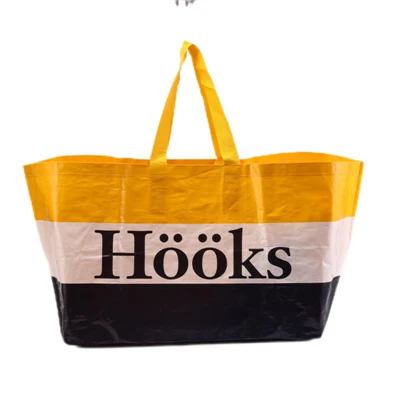
If you’re looking to order custom cotton canvas bags, or just want to know more about our tear strength testing process, hit us up. We can send you sample bags with our test results, walk you through the different weights, and help you pick the right one for your needs. No pushy sales talk, just straight answers and durable bags that do what they’re supposed to. Don’t settle for flimsy canvas bags that tear after one use—go with a supplier who cares about quality, not just volume.
Insulated Bag References
ASTM D1424-19, Standard Test Method for Tear Resistance of Fabric (Elmendorf Tear)
Textile Institute. (2018). Cotton Canvas: Properties, Manufacturing, and Applications.
Journal of Engineered Fibers and Fabrics. (2020). Tensile and Tear Behavior of Woven Cotton Fabrics for Reusable Bag Applications.
Jiade (Wenzhou) Daily Necessities Co., Ltd.
As one of the most professional cotton canvas bag manufacturers and suppliers in China, we’re featured by quality products and good price. Please rest assured to buy bulk discount cotton canvas bag from our factory. We also accept customized orders.
Address: Building2,NO.1299,keji Road, Longgang City,Wenzhou City,Zhejiang Province,China.
E-mail: lhf@lianhaibag.com
WebSite: https://www.jiadebag.com/
