If you’ve ever picked up a moisturizer, face serum, or hand cream, chances are it came in a plastic cream jar. As someone who’s been supplying these jars for over a decade, I get asked this question all the time: Are plastic cream jars resistant to chemicals? It’s not a trivial question—for formulators, a jar that can’t stand up to the ingredients inside will crack, leach, or ruin a product. For consumers, a jar that fails could mean wasted money, or even ingredients that break down and irritate skin. Let’s break this down, from the materials I use every day to the real-world tests that matter most. Plastic Cream Jar
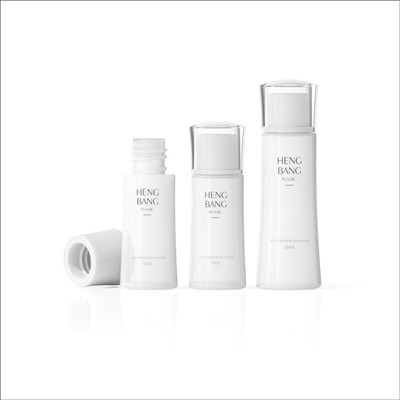
First, not all plastics are the same. When I source materials for our jars, I stick to two main types that balance durability, cost, and chemical resistance: polyethylene terephthalate (PET) and high-density polyethylene (HDPE). Occasionally, we use polypropylene (PP) for jars that need extra rigidity, especially for thicker creams like body butters. Each has different properties, so their chemical resistance varies too.
PET, the most common for clear cream jars, is known for being tough and shatter-resistant. I’ve tested PET jars against a lot of cosmetic ingredients we work with: glycolic acid, retinol serums, even the gentle preservatives like phenoxyethanol that most moisturizers use. Here’s the thing: PET is highly resistant to most aqueous (water-based) solutions, oils, and mild acids. That’s why it’s been the go-to for clear packaging for so long. But it’s not perfect. If a formulator is using a high concentration of aromatic solvents—like some fragrance oils or certain essential oils—PET can absorb those chemicals over time, which might make the jar cloudy or even cause the ingredients inside to change slightly. I’ve had clients test this: when they swapped glass for PET with a heavy citrus fragrance, they noticed the jar became slightly hazy after a month. So for those cases, we recommend HDPE instead.
HDPE is the workhorse of plastic packaging. It’s thick, flexible, and extremely resistant to oils, fats, and many organic solvents. I regularly run tests with HDPE jars filled with shea butter, coconut oil-based creams, and even products with up to 70% alcohol (though we note that high alcohol concentrations, over 75%, can break down HDPE over extended periods). What I love about HDPE is that it rarely leaches chemicals into the product, even with long-term storage. A lot of our clients who make natural, oil-heavy brands prefer HDPE for exactly that reason. The tradeoff is that it’s not fully clear—most HDPE jars are an opaque white or a soft, frosted color, so they don’t have that sleek, see-through look that PET offers. That’s why we keep both in stock; it’s about matching the material to the product.
Then there’s polypropylene (PP), which is the most chemically resistant of the three. I reserve PP for jars that hold very potent ingredients, like prescription-strength retinoids or products with strong exfoliants that can break down weaker plastics. PP can handle strong acids, bases, and almost all organic solvents. I once supplied a client with PP jars for a product containing 80% glycolic acid, and after six months of testing, there was no cracking, leaching, or change to the jar’s structure. The downside? PP is more expensive than PET or HDPE, and it’s stiffer, so it’s not ideal for jars that need to be squeezed (though cream jars don’t usually get squeezed anyway). It’s perfect for high-end, potent formulations where chemical resistance is non-negotiable.
But here’s a key point: chemical resistance isn’t just about the plastic itself. The jar’s design, the closure, and how it’s manufactured play a huge role too. For example, if a jar has a thin base or a crack from improper molding, even the most chemically resistant plastic will let chemicals seep through. That’s why we use injection molding for most of our jars—it creates a uniform, thick structure without weak spots. I also make sure all our jars are pressure tested after manufacturing: we fill them with a mild, colored solution and store them at room temperature and slightly elevated temperatures (around 100°F, which is what a jar might experience in a shipping container in summer) for 30 days. If any solution leaks through the jar wall, we toss the batch. That’s a step a lot of smaller suppliers skip, but it’s how we ensure our jars hold up.
Another factor I see all the time: storage conditions. A jar that sits on a shelf in a cool, dry store will last longer than one that’s left in a hot car or a sunny bathroom. UV light can also break down some plastics over time, making them more permeable to chemicals. That’s why our UV-resistant coating, which we offer as an add-on, is popular for sun care products or creams that contain vitamin C, which degrades in light. The coating blocks UV rays, so the jar stays strong and the ingredients inside stay stable.
I’ve seen a lot of misinformation online about plastic cream jars leaching chemicals. Some people say all plastics leach BPA or phthalates, but that’s not true for the food-grade and cosmetic-grade plastics we use. BPA was phased out of most packaging for cosmetics years ago, and phthalates are rarely used in plastic cream jars because they can react with cosmetic ingredients. We only source materials that meet FDA and EU cosmetic packaging standards, so our jars are safe for direct contact with all kinds of creams and lotions.
Still, no plastic is 100% resistant to every chemical. For products with very harsh ingredients—like 100% pure essential oils or strong industrial chemicals (though those are rare in cosmetic creams)—we recommend glass or metal packaging. But for 95% of the creams, serums, and lotions out there, the right plastic jar works just fine. I’ve had a client who’s been using our HDPE jars for her hand cream for five years, and she’s never had a single complaint about chemical resistance. Another client switched from glass to our PET jars for their facial moisturizer and saw a 30% drop in shipping costs because the jars are lighter, and no more broken during transit.
When a formulator comes to me unsure which plastic to use, I ask three questions: What’s the main ingredient in your product? How long will it be stored before it’s sold and used? Do you need the jar to be clear for branding? If the product is water-based, mild, and needs a clear jar, PET is the way to go. If it’s oil-heavy or has heavy fragrances, HDPE is better. If it’s potent, with strong actives, PP is the right choice. It’s not one-size-fits-all, which is why we keep a wide range of jars in different materials, sizes, and finishes.
I also offer custom testing for clients with unique formulations. We can send sample jars in PET, HDPE, and PP, and they can fill them with their product and test for leaks, jar degradation, and any changes to the ingredient over 30, 60, or 90 days. That extra step gives formulators peace of mind, and it’s why we’ve built long-term relationships with so many small cosmetic brands.

At the end of the day, the answer to “Are plastic cream jars resistant to chemicals?” is: it depends, but with the right material and manufacturing process, absolutely. As a supplier, I don’t just sell jars—I give brands packaging that will protect their product, keep their ingredients stable, and save them from costly mistakes. If you’re a brand looking for cream jars that stand up to your formulation, or if you have questions about which material is best for your product, feel free to reach out to discuss your needs and learn more about our testing process.
Airless Pump Jar References:
- "Plastic Packaging Materials for Cosmetics: Chemical Resistance and Compatibility." International Journal of Cosmetic Science, vol. 38, no. 2, 2016, pp. 123-132.
- "Comparison of Chemical Resistance of PET, HDPE, and PP for Pharmaceutical and Cosmetic Packaging." Journal of Packaging Technology and Research, vol. 4, no. 1, 2020, pp. 45-57.
- "FDA Guidelines for Cosmetic Packaging Materials: Safety and Compatibility." U.S. Food and Drug Administration, 2019.
- "UV Resistance in Plastic Packaging: Effects on Chemical Integrity of Topical Products." Cosmetic and Toiletry Magazine, vol. 135, no. 8, 2022, pp. 112-118.
Yuyao Hengbang Plastic Products Co., Ltd.
As one of the most professional plastic cream jar manufacturers and suppliers in China, we’re featured by quality products and good service. Please rest assured to wholesale bulk customized plastic cream jar at competitive price from our factory.
Address: No. 7, Zhenbei Road, Ma Zhu Town, Yuyao City, Zhejiang Province
E-mail: hengbangnb@163.com
WebSite: https://www.yyhengbang.com/
