Can Woven Labels be embroidered? That’s one of the most common questions we get from fashion designers, clothing brand owners, and custom apparel makers who reach out to our team as a woven label supplier. For years, woven labels have been the gold standard for branding on high-end apparel—their smooth, precise text and logos stand out far more than printed tags, and they hold up to repeated washing and wear without fraying. But as embroidery continues to grow in popularity, especially for custom patchwork, logo accents, and textured brand details, it makes sense that people wonder if they can combine the two. The short answer? Yes, you can embroider on woven labels—but there’s a lot to know to get it right, whether you’re a small boutique testing your first custom order or a large brand scaling a consistent look across every piece in your line. Woven Label
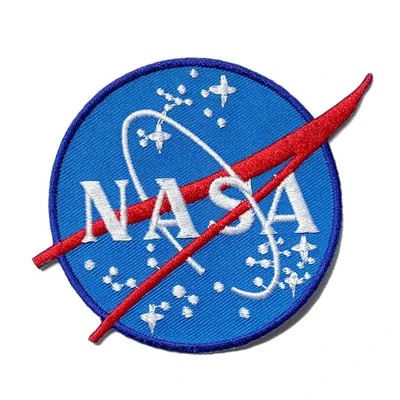
Let’s start with the basics of what makes a woven label unique, because that’s the foundation for how embroidery works on them. Woven labels are made by interlacing threads on a loom, creating a tight, flat, patterned surface. Most woven labels are cut to a specific shape (rectangular, curved, custom cut) and heat-sealed along the edges to prevent fraying, which gives them that clean, professional look. Unlike fabric that’s cut and sewn from a roll, woven labels are a standalone piece of fabric, so their stability and thickness vary based on the materials you choose. Polyester, nylon, and cotton are the most common base materials for woven labels; polyester is the most durable and holds shape best, while cotton is softer, making it popular for loungewear and children’s clothing. Embroidery, on the other hand, is a process where a machine uses thread to stitch designs onto fabric, creating a raised, textured surface. The key to combining these two is matching the stability of the woven label to the requirements of the embroidery machine.
The first challenge many people run into is that embroidery needs a stable base to stitch onto. If you try to embroider on a thin, flimsy woven label, the machine’s needle will pull the fabric, causing it to pucker or even distort the woven pattern. That’s why we always recommend a medium- to heavyweight woven base for any embroidered label order. For reference, a 100% polyester woven label with a 18 count (threads per inch) weave is ideal—tight enough to resist stretching, but not so dense that the thread can’t pass through easily. We’ve seen too many first-time customers try to use a lightweight cotton woven label (12 count or less) for embroidery, only to send it back frustrated when the label came out warped. That’s a simple mistake, but it’s easy to avoid with the right material choice.
Another important factor is the size of the design you want to embroider. Woven labels have a limited amount of space, so you need to make sure the embroidery design isn’t too large or too small. For embroidery, we suggest a minimum stitch size of ¼ inch for text or graphics, because smaller stitches will pull too much on the woven fabric and cause fraying. For woven labels, the most common size is 2 inches wide by 1 inch tall, which gives you plenty of room for a small embroidery logo or text. If your design is larger than that, you might want to consider a larger label, but keep in mind that larger labels are more expensive and can be less comfortable against the skin, especially on casual wear like t-shirts or hoodies.
There are also two main types of embroidery you can do on woven labels: flat embroidery and 3D puff embroidery. Flat embroidery is the most common type, where the stitches lie flat against the fabric, creating a simple, clean look that pairs well with the woven texture of the label. 3D puff embroidery uses a foam underlay to create a raised, textured design that stands out more, which is great for bold logos or brand marks. But there’s a catch with 3D puff embroidery on woven labels: because it requires extra stitching and a foam layer, it can put a lot of stress on the woven base. We only recommend 3D puff embroidery on a heavyweight polyester woven label, and even then, it’s best to test a sample first to make sure the label doesn’t tear or pucker around the edges. We had a customer a few months back who wanted 3D puff embroidery on small cotton woven labels for a line of kids’ hoodies, and when we tested it, the cotton base stretched too much, so we suggested switching to a heavyweight polyester and adding a small felt backing to give the embroidery more support. They loved the result, and the labels have held up through dozens of washes with no issues.
One of the biggest myths we hear is that embroidered woven labels are less durable than regular woven labels. That’s not true—if done correctly, they’re just as durable, and they can actually add a layer of texture that makes your brand stand out. Woven labels already hold up to washing, and the embroidery thread is just as strong as the woven threads, so as long as the base material is thick enough, the label will last for years. We test every embroidered label sample we send to customers by washing it multiple times in hot water and drying it on high heat, and we’ve never had one come apart or lose its shape. The key is to use high-quality thread for the embroidery—polyester thread is the best choice, because it’s fade-resistant, stretch-resistant, and holds up to heat and washing. Cotton thread can work too, but it fades faster and can shrink, so we only use it for custom orders where the customer specifically requests it.
Now, let’s talk about when you should and shouldn’t embroider on a woven label. Embroidered woven labels work great for a few specific use cases: adding a small detail to a woven label that’s otherwise plain, like a star or a brand icon, for clothing lines that want a mix of woven and embroidered branding; creating custom labels for small batch orders where you don’t want to invest in a separate embroidery design; and adding personalized text, like a “handmade” tag or a limited edition number, to woven labels for boutique brands. But there are times when it’s not the best choice. If you want a large, complex embroidery design, you’re usually better off using a separate embroidered patch, because woven labels don’t have enough space for large, detailed designs without looking cluttered. If you’re making labels for athletic wear or swimwear, embroidery might not be the best, because the moisture can cause the thread to stretch or fade over time, and a high-quality woven label with printed details (wait, no—woven labels are better for that) wait, for swimwear, we actually recommend a nylon woven label, which is water-resistant, and if you do embroidery, use a water-resistant polyester thread, but even then, some brands prefer a plain woven label for durability. Another time to skip embroidery is if you’re on a tight budget, because embroidered woven labels are more expensive than regular woven labels, since they require extra stitching and more material. For large orders (over 1,000 labels), the cost difference is usually manageable, but for small orders (under 100 labels), it might not be worth the extra cost, and a regular woven label would work just as well.
We also get a lot of questions about the process of ordering embroidered woven labels, as a woven label supplier. The first step is to send us your design files, either a digital logo, text, or a sketch, and tell us what material and size you want for your woven label. We’ll create a sample woven label for you with your design, and then we’ll send it to our embroidery team to test the embroidery. If everything works, we’ll send you a sample of the embroidered label for you to approve, and once you’re happy, we’ll start production. The turnaround time for embroidered woven labels is usually 2-3 weeks, which is a bit longer than regular woven labels (which take 1-2 weeks), because of the extra embroidery step. We always recommend ordering a sample before placing a large order, especially if you’re doing embroidery, because it’s easy to make a small mistake in the design or material that can affect the final result. We had a customer last year who ordered 500 embroidered woven labels for a line of t-shirts, and when she received the first sample, she realized the embroidery thread color was a little off, so we adjusted it and sent a new sample, which she approved, and the rest of the order turned out perfect. That’s why samples are so important—they give you a chance to fix any issues before you commit to a large order.
Another thing to consider is the edge of the woven label. Regular woven labels have heat-sealed edges to prevent fraying, but when you add embroidery, you might want to reinforce the edges with a small stitch, or add a satin stitch around the perimeter of the label to prevent fraying. We do that for all our embroidered woven labels, because the embroidery can pull at the edges, and reinforcing them with a satin stitch makes them last longer. If you don’t reinforce the edges, you might notice small frays after a few washes, especially on thin woven bases. We also recommend that you leave at least ¼ inch of space between the embroidery design and the edge of the label, to make sure the embroidery doesn’t pull at the edges. That’s a simple rule, but it makes a big difference in the durability of the label.
Let’s address a common mistake that first-time woven label suppliers or brand owners make: trying to embroider on a woven label after it’s already been attached to a garment. That’s almost never a good idea, because the fabric of the garment will stretch, and the label will pucker or distort, making the embroidery look uneven. The best way to do it is to embroider the label first, then attach it to the garment. That way, the woven label is stable, and the embroidery will look clean and even. We always tell customers to do that, and we’ve seen way too many people who tried to embroider on a label after it was sewn on a hoodie, only to have the label come out crooked or the embroidery fray. It’s a small step, but it makes a huge difference in the final product.
Now, let’s talk about the benefits of combining woven labels and embroidery. For brands, it gives you more flexibility in your branding. You can have a core woven label with your main logo, and add small embroidered details to match different collections, so you don’t have to redesign your entire label every time you launch a new line. For example, a denim brand might have a woven label with their name, and add a small embroidered star to labels for their premium line, and a small embroidered flower to labels for their women’s line. That’s a simple way to add variety without extra design costs. It also gives you a unique look that stands out from other brands. A lot of brands use plain woven labels or plain embroidered patches, so combining the two gives you a product that’s both durable and textured, which is perfect for high-end apparel where quality and brand identity matter.
Of course, there are a few limitations, as with any product. As I mentioned earlier, the size of the design is limited, and you can’t do extremely detailed embroidery on a small woven label. If you have a logo with lots of small details (like tiny text or thin lines), it might not translate well to embroidery, because the stitches will be too thin and fray easily. In that case, a woven label would be better, because woven thread is much thinner than embroidery thread, so it can capture smaller details more clearly. That’s another reason why it’s important to test a sample—you can see right away if your design works for embroidery on a woven label, or if it’s better to stick with a regular woven label.
If you’re considering adding embroidered woven labels to your next order, here are a few tips to make the process go smoothly: First, choose a medium- to heavyweight polyester woven base. It’s the most durable and works best for embroidery, and it’s fade-resistant, which is perfect for apparel. Second, keep your embroidery design simple—avoid tiny text or thin lines, and leave at least ¼ inch of space between the design and the edge of the label. Third, order a sample before placing a large order. It will cost you a little extra, but it’s worth it to make sure the color, size, and design look exactly how you want. Fourth, use high-quality polyester thread for the embroidery. It’s stronger and more fade-resistant than cotton thread, so your labels will last longer. And finally, work with a supplier who has experience with embroidered woven labels. Not all woven label suppliers offer embroidery services, so it’s important to find one who understands the process and can help you choose the right materials and design for your needs.
As a woven label supplier, we’ve been doing embroidered labels for years, and we’ve worked with hundreds of brands, from small independent boutiques to large national clothing lines. We’ve learned that the best embroidered woven labels are the ones that balance the smooth, precise look of woven fabric with the textured, bold look of embroidery. It’s not a one-size-fits-all product—some brands prefer plain woven labels, some prefer embroidered patches, and some love the combination. The key is to know what works for your brand and your product. If you’re not sure whether embroidered woven labels are right for you, reach out to our team—we’d be happy to answer any questions, send you a sample, or help you design a custom label that fits your needs.
Whether you’re launching your first clothing line, expanding your existing brand, or just looking for a way to make your labels stand out, embroidered woven labels are a versatile, durable, and stylish option. They combine the best of both worlds: the precision and durability of woven labels, and the texture and boldness of embroidery. With the right materials, design, and supplier, you can create labels that not only look great, but also last for years, holding up to every wash and wear. So if you’ve been wondering if woven labels can be embroidered, the answer is a definitive yes—and it’s a trend that’s only growing as more brands look for unique ways to stand out in a crowded market.
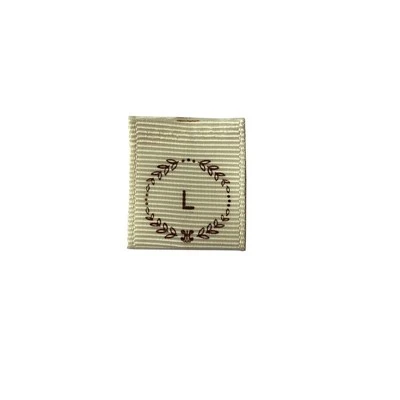
If you’re ready to learn more or place your order, don’t hesitate to connect with our team to discuss your custom needs. We’re here to help you create labels that perfectly represent your brand, whether that’s an embroidered woven label, a classic woven tag, or a custom design tailored to your specific product.
3D Embroidery Patch References:
- Textile Institute. (2021). Woven vs. Embroidered Label Durability for Apparel. Journal of Textile and Apparel Technology.
- American Apparel and Footwear Association. (2022. Custom Label Trends for Small-Batch Apparel. Annual Industry Report.
- Embroidery Manufacturers Association. (2020. Best Practices for Embroidery on Woven Fabrics. Technical Guidelines for Garment Labeling.
- International Fabric Care Association. (2021. Wash Performance of Decorated Apparel Labels. Testing Standards and Procedures.
Yiwu Lanying Garment Accessories Co., Ltd.
As one of the most professional woven label manufacturers and suppliers in China, we’re featured by quality products and good service. Please rest assured to wholesale premium woven label at competitive price from our factory. Customized orders are welcome.
Address: F1,NO.448, Majiaotang Village, Houzhai Street, Yiwu City, Zhejiang Province, China 322000
E-mail: zhangchunyingzi@126.com
WebSite: https://www.embroideredpatchfactory.com/
