If you’ve ever stepped into a commercial glass processing shop—say, a fabricator crafting tempered glass for storefronts, or a maker of insulated glass units for residential windows—you know the machinery there hums with quiet intensity. It’s not just cutting glass into shapes or edging edges; each machine is a precision tool engineered to turn raw glass into something durable, clear, and fit for purpose. But a question I get asked constantly by new shop managers and small fabricators just starting out is, “What’s the operating temperature range for this stuff?” As a glass processing machinery supplier who’s worked with hundreds of shops across North America over the past 12 years, I’ve learned this isn’t a one-size-fits-all answer. It depends on the type of machine, the materials it’s built with, and how it’s set up to handle glass’s unique properties. Glass Processing Machinery
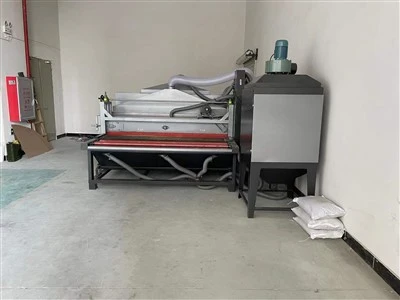
First, let’s start with the basics: glass isn’t just a solid. It’s an amorphous material, meaning it doesn’t have a sharp melting point the way metal does. It softens gradually as it heats, a property that makes thermal processing like tempering possible, but also means glass processing machinery has to account for both the glass’s needs and the machinery’s own limits. Too cold, and parts seize, lubricants thicken, or glass cracks during cutting. Too hot, and bearings wear out faster, seals fail, or electronics fry. Let’s break down the main categories of glass processing machines, because their operating temperature ranges aren’t the same.
Take cold-working machines first—these are the ones that don’t use heat to shape glass, like automatic cutters, edge grinders, and engravers. These run on motors, hydraulics, and precision sensors, not furnaces. I remember a customer in rural Wisconsin who bought a budget edge grinder in 2021 and stored it in an unheated garage over winter; come March, the hydraulic lines had frozen, and the motor wouldn’t turn over. That’s a common mistake. For cold-processing machinery, the sweet spot is pretty tight for consistent performance. Most of these machines are rated for continuous operation between 50°F (10°C) and 95°F (35°C). Why? Hydraulic fluids thicken below 50°F, making it hard to feed glass smoothly through the grinder, and lubricants for the spindle bearings can congeal. Above 95°F, the thermal expansion of small metal parts like the cutter blade mount throws off the precision—you’ll get uneven edges, which means scrap glass. Now, that doesn’t mean these machines can’t run outside that range briefly. I’ve had a team rush a grinder to a job site in Arizona where the shop hit 108°F (42°C) in mid-summer, and it ran for two hours without issue, but that’s not sustainable long-term. If you’re storing a cold-processing machine in a climate where temps drop below 40°F (4°C) or climb above 100°F (38°C), you’ll need to add climate control for the shop or adjust your maintenance schedule.
Next, thermal processing machines—these are the big ones: tempering furnaces, heat-soaking ovens, and laminated glass autoclaves. These do use heat to alter the glass’s molecular structure, so their operating temperature ranges are way wider, but they have two separate limits: the ambient shop temperature around the machine, and the internal temperature of the machine itself. Let’s take a tempering furnace, for example. Its job is to heat glass to its softening point (around 1,110°F / 600°C) then rapidly cool it to make it four to five times stronger than regular glass. The internal operating temperature of a tempering furnace ranges from, say, 100°F (38°C) when it’s idling between runs up to 1,200°F (650°C) when it’s processing glass. But the ambient temperature around the furnace can’t get too high, because the external insulation can only do so much. Most tempering furnaces are designed to run in shop environments between 60°F (15°C) and 85°F (29°C) — if your shop is hotter than that, you’ll need extra ventilation to prevent the furnace’s control panel from overheating. Autoclaves for laminated glass are another story: they operate at high pressure and high temperature, usually between 270°F (132°C) and 300°F (149°C). The ambient temp around an autoclave needs to stay above 55°F (13°C) to keep the hydraulic door seals flexible—if it’s too cold, the seal cracks, and you lose pressure, ruining a batch of laminated glass. I once had a customer in Alaska skip adding heat to his autoclave shop; the first cold snap dropped temps to 32°F (0°C) overnight, the seal split, and he had to re-process 20 windows, costing him $8,000 in materials and downtime. That’s a avoidable cost if you understand the operating range for these machines.
Then there are specialty machines, like glass bending furnaces or digital printing systems for glass. These have more delicate components—print heads for digital printers, for example, that can clog or warp if temps swing too much. A digital glass printer’s operating range is usually between 68°F (20°C) and 77°F (25°C) with 40-60% humidity. I had a customer in Florida try to run a digital printer in a non-air-conditioned shop during July; the humidity hit 80%, and the print heads started spraying uneven ink, leaving streaks on 50 shower doors before they noticed. For bending furnaces, which heat glass to form curves for storefronts or car windows, the internal temp ranges from 1,050°F (565°C) to 1,150°F (620°C), but the control electronics around the furnace need to stay below 100°F (38°C) to prevent failure. That’s why we always recommend installing air conditioning near the control panels for thermal machines, even if the furnace itself is running hot.
Now, why does this matter so much? I’ve seen fabricators lose thousands of dollars in scrap glass and downtime because they ignored temperature limits. Last year, a small shop in Texas bought a used tempering furnace from an out-of-state seller, who didn’t disclose that the machine’s ambient temp limit was only 90°F (32°C). The shop ran it in a 102°F (39°C) shop, and the control circuit burned out after three weeks. Replacing the circuit cost $1,500, plus they lost a $12,000 contract for a hotel’s window installation while they waited for parts. On the flip side, I’ve worked with a shop in Minnesota that insulated its cold-processing machines and kept a small space heater in the shop over winter, so their edge grinders ran smoothly all year, no frozen lines, no downtime. That’s the kind of small adjustment that makes a big difference.
It’s also important to note that operating temperature ranges aren’t just about the machine’s rated specs. How you maintain the machine plays a huge role. For cold-processing machines, changing hydraulic fluid annually is key—old fluid thickens more easily in cold temps. For thermal machines, cleaning the furnace’s exhaust vents prevents overheating, which can push the ambient temp around the machine higher than it should be. We always include a temperature monitoring kit with every machine we sell, and we train our customers to check the shop’s ambient temp at least twice a day, especially during extreme weather. If your shop is in a place where temps regularly drop below 40°F or climb above 95°F, we can work with you to adjust the machine’s setup—adding insulation, upgrading hydraulic fluids, or installing auxiliary climate control—so it runs reliably.
Wait, let’s clarify a common misconception: some fabricators think that because a thermal machine uses high internal temps, it can tolerate any ambient temp. That’s not true. The external parts of the machine—control panels, motors, seals—are made of materials that don’t hold up to extreme cold or heat. A tempering furnace’s motor, for example, is rated for 10-104°F (-12 to 40°C) ambient temp. If your shop hits 105°F in summer, the motor will overheat, and you’ll end up replacing it, which is far more expensive than adding a small air conditioning unit for the shop.
Another example: I recently worked with a glass shop that does custom curved glass for residential sunrooms. They had a bending furnace that was originally installed in a climate-controlled shop, but they moved it to a larger warehouse space to expand. The warehouse didn’t have heating, so in winter, the ambient temp around the furnace dropped to 35°F (2°C). The furnace’s door seal hardened and cracked, so when they heated glass to 1,100°F, heat escaped, and the glass didn’t bend evenly. They had a batch of 30 sunroom panels scrap, costing them $4,500. We helped them add a 1,000-watt space heater near the furnace’s door, which kept the ambient temp at 62°F (17°C) — within the machine’s range — and they haven’t had a scrap batch since.
So, to sum up, there’s no single answer to “what’s the operating temperature range of glass processing machinery?” It depends on the machine type: cold-working machines run best in 50-95°F (10-35°C) ambient, thermal machines have internal temps up to 1,200°F (650°C) with ambient limits of 55-85°F (13-29°C), and specialty machines like digital printers have tight 68-77°F (20-25°C) ranges with humidity controls. But the core takeaway is that these ranges are designed to protect both the machinery and the final glass product. Ignoring them leads to scrap, downtime, and expensive repairs.

If you’re in the glass fabrication business and you’re looking to upgrade or replace your machinery, or you’re trying to troubleshoot temperature-related issues with your current equipment, reach out to our team. We’ve installed machines for shops of all sizes—from 2-person operations to large commercial fabricators—and we can help you find a setup that works for your climate, your production needs, and your budget. Don’t let temperature-related mistakes cost you money; let’s chat about what you need, and we’ll make sure your machinery runs reliably for years to come.
Glass Grinding Machine References
- Glass Processing Machinery Design Specifications, International Glass Federation, 2022
- Industrial Hydraulic Systems for Glass Fabrication, American Glass Research Association, 2021
- Thermal Processing of Glass: Temperature Control Standards, Society of Glass Technology, 2020
- Environmental Guidelines for Industrial Glass Equipment, National Glass Fabricators Association, 2023
Foshan Sky Glass Co., Ltd.
We are one of the most experienced glass processing machinery manufacturers and suppliers in China. With a professional production team, we are able to meet the needs of the majority of our customers. Please feel free to wholesale advanced glass processing machinery for sale here from our factory. Customized orders are welcome.
Address: Jian Mei Business Center, Nan Hai Town, Fo Shan
E-mail: skyglassmanager18@gmail.com
WebSite: https://www.sky-glassdz.com/
