If you’ve ever shopped for a hammock, you’ve likely noticed two common styles: those that need a spreader bar to hold their shape, and those that don’t. As a hammock supplier who’s been in the game for over a decade, I’ve lost count of how many customers come to me saying, “I just want a hammock that doesn’t twist on me!” The spreader bar hammock is the answer to that problem—and it’s much more versatile and thoughtfully designed than most people realize. Let’s break down what it is, how it works, and why it might be the perfect fit for your outdoor or indoor space. Hammock

First, let’s start with the basics. A spreader bar hammock is a suspended hammock that has a rigid, horizontal bar (or two bars, one at each end of the hammock’s fabric) built into its structure. Unlike traditional gathered-end hammocks, which taper at the ends and twist or pull into a cocoon shape when you get in, spreader bar hammocks stay flat. That flat design is their superpower. When you lay down, the fabric stretches evenly across the bar, so your body distributes weight evenly, and you don’t end up sliding into a curve that strains your back or makes you feel like you’re trapped.
I remember when I first started selling these, I had a customer come in who’d tried three different traditional hammocks at campgrounds. Each time, she said, she’d spend more time adjusting the fabric than relaxing. She’d wake up with a stiff neck because she was twisted at an angle, and by the end of the weekend, she’d given up entirely and just sat on a lawn chair. When she tested a spreader bar hammock in our store, she laid down and gasped—“This is the first time I’ve actually felt like I’m floating,” she said. That moment stuck with me, because it’s why we focus so much on these styles today.
Now, let’s get into the small details that make a spreader bar hammock work, because not all bars are created equal. The bars themselves are usually made of durable, lightweight materials: aluminum is the most common for portability, because it doesn’t rust, resists dents, and is easy to pack for camping. We also offer wooden bars, like sustainably harvested teak or bamboo, for customers who want a more natural, polished look for their patio or indoor space—those don’t hold up quite as well to heavy rain, so we remind customers to bring them inside during storms, but they’re perfect for covered porches or sunrooms.
The hammock fabric is stitched directly to the ends of the spreader bars, not just tied loosely, which is another key difference from traditional hammocks. That tight stitching prevents the fabric from slipping or bunching, even with regular use. The length of the bars varies too—most standard spreader bars are 4 to 5 feet long, which fits single-person hammocks, and we also carry 6-foot bars for double spreader bar hammocks, which can fit two adults comfortably without feeling cramped.
One of the biggest misconceptions I hear is that spreader bar hammocks are less portable than traditional ones. That’s not true—at least, not if you pick the right style. Some of our portable models come with collapsible aluminum bars that fold down to a fraction of their length, so you can toss them in a backpack or a car trunk right along with your tent and sleeping bag. I took one of these on a backpacking trip last summer, actually, and set it up between two pine trees in 10 minutes flat. The collapsible bars didn’t bend under my weight, and I slept way better than I would in my usual backpacking tent.
Indoor use is where spreader bar hammocks really shine, though. A lot of people don’t realize that these work just as well inside as outside. You can hang one between two sturdy walls with heavy-duty eye bolts, or even use a free-standing hammock stand for indoor spaces like a living room, bedroom, or even a home office nook. The flat shape makes them a great alternative to a couch or a bean bag for people who want to relax while reading, watching TV, or working on a laptop. I have a spreader bar hammock in my own home office, and I use it every afternoon when I take a break—no more slouching on a chair, and my posture stays way better.
That leads me to another point: comfort. Traditional hammocks have a curved shape that’s great for swinging, but they don’t support the body the same way a flat spreader bar hammock does. When you lay in one, your spine stays aligned naturally, which reduces strain on the lower back and neck. We’ve had customers with chronic back pain tell us that switching to a spreader bar hammock has helped them manage their pain better than any couch or chair they’ve tried. It’s not a cure-all, but the even weight distribution makes a huge difference for people who struggle with discomfort when sitting or lying down for long periods.
I should also talk about the trade-offs, because being a supplier means I’m honest with my customers. Spreader bar hammocks aren’t for everyone. If you’re a serious backpacker who prioritizes packing light above all else, a traditional gathered-end hammock is probably a better fit—even a collapsible spreader bar adds a little extra weight, which might be a concern for long backcountry trips. They’re also a bit more fragile than traditional hammocks if you’re rough with them. We always tell customers to avoid dragging a spreader bar hammock on the ground over sharp rocks or branches, because the bars can scratch or bend. And if you’re looking for a hammock to take on a quick camping trip where you don’t want to carry extra gear, traditional styles are easier to throw in a bag.
But for most people who use hammocks for relaxation in their backyard, on a patio, in a sunroom, or for car camping where portability isn’t the top priority, spreader bar hammocks are hard to beat. They also hold their shape far longer than traditional hammocks. I’ve had customers buy a traditional hammock that stretched out and twisted badly after just one season, but our spreader bar models still look and work like new after three or four years of regular use. The rigid bar prevents the fabric from over-stretching, so you get a consistent, comfortable shape every time you lay down.
Another thing we love about spreader bar hammocks is their style range. We carry everything from sleek, modern black aluminum bar hammocks in neutral fabrics for urban balconies, to bright, patterned fabric with wooden bars for family backyards. We even have smaller, mini spreader bar hammocks for kids—they’re half the size of adult models, with shorter, sturdier bars, so little ones can swing safely without feeling like they’re in an adult-sized hammock. That’s been a huge hit with parents, who tell us their kids spend hours in these, instead of asking to play on the tablet.
When it comes to hanging a spreader bar hammock, the process is simpler than you might think, too. For outdoor use, we recommend hanging them between two anchor points that are 10 to 15 feet apart—trees, posts, or sturdy deck beams work great. The height should be around 4 to 5 feet off the ground, so you can get in and out easily, but not so high that you risk injury if you fall. For indoor use, same rule applies: anchor points should be strong enough to hold at least 250 pounds (we always recommend going for 300 pounds to be safe), and you can adjust the height based on your space.
I’ve noticed a trend lately, too—more people are using spreader bar hammocks as part of their outdoor living spaces. Pair one with a small side table for drinks and snacks, string some fairy lights above it, and you have the perfect spot for weekend barbecues or late-night stargazing. We’ve had customers turn their backyards into little retreats, with multiple spreader bar hammocks for family and friends to use, and I love seeing that. Hammocks aren’t just for camping anymore—they’re a staple in home outdoor design, and spreader bar styles lead the way.
As a supplier, I’ve also learned a lot about what makes a good spreader bar hammock, from listening to our customers. The number one request we get is for durable, weather-resistant fabric. That’s why we source most of our hammock fabric from high-quality, water-resistant polyester or canvas, which stands up to rain, sun, and mildew far better than regular cotton. We also treat all our spreader bars with a coating to prevent rust or rot, so they last for years, even with regular outdoor use.
Another customer favorite is the option to remove the spreader bars entirely. Some of our models let you take the bars out, so you can convert them into a traditional hammock for camping trips. That flexibility is a game-changer for people who want the best of both worlds—they get the flat, comfortable spreader bar style for home use, and the lightweight, packable traditional style for travel. I’ve sold a lot of these hybrid models, and they’re by far our most popular this year.
Let’s circle back to that customer I mentioned earlier—the one who’d given up on hammocks entirely. A few months after she visited our store, she came back and bought two spreader bar hammocks: one for her backyard, and one for her small apartment. She told us she’s become the go-to spot for her friends when they come over, and her 7-year-old now asks for “the big swing” every time she comes to visit. That’s why I do this job—it’s not just selling a product, it’s giving people a space to relax, to slow down, to enjoy time outside or inside without the hassle of constant adjustments.
At the end of the day, a spreader bar hammock is more than just a piece of outdoor gear. It’s a simple, well-designed solution to a common problem: wanting a comfortable, easy-to-use hammock that stays flat, supports your body, and fits your lifestyle, whether that’s at home, on a camping trip, or in a small urban space. If you’re tired of twisted, hard-to-adjust traditional hammocks, or if you’re looking to add a cozy, stylish spot to your patio or living room, a spreader bar hammock is absolutely worth considering.
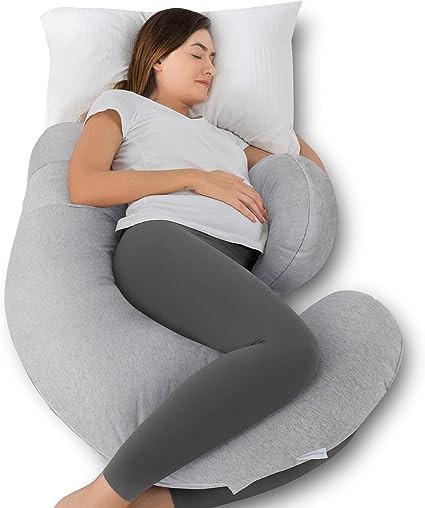
If you’re ready to find the perfect spreader bar hammock for your needs, our team is here to help. We carry a wide range of sizes, styles, and materials, and we can answer any questions you have about hanging, durability, or care. Don’t hesitate to reach out to our purchasing team to discuss your needs, whether you’re looking for a single hammock for personal use or bulk options for your business.
Plush Pet Mat References:
- Outdoor Industry Association. 2023 Recreational Outdoor Gear Trends Report.
- American Chiropractic Association. 2022 Guide to Posture-Friendly Seating and Rest Products.
- Hammock Association of North America. 2021 Guide to Spreader Bar Hammock Design and Use.
- International Standards Organization. ISO 10645:2020, Recreational Camping Equipment – Hammocks.
Hangzhou Tangjin Textile Co., Ltd.
Hangzhou Tangjin Textile Co., Ltd. is one of the most professional hammock manufacturers and suppliers in China, featured by quality products and good service. Please rest assured to wholesale custom made hammock at competitive price from our factory.
Address: No.55, Louying Road, Louta Town, Xiaoshan District, Hangzhou City, Zhejiang Province
E-mail: wendy@tangjintex.com
WebSite: https://www.tangjin-hometex.com/
