If you’re in the market for machine vision laser modules, you might be juggling a ton of questions—like where to find reliable ones, if they work for your specific application, and how to avoid wasting time on low-quality parts. As a supplier that’s built our whole business around these modules, I talk to folks every day who are in the same boat: engineers, small manufacturing teams, and startups that don’t know where to look, or who’ve had bad experiences with sketchy online sellers before. Let’s break this down, no jargon, just real stuff that matters. Machine Vision Laser Modules
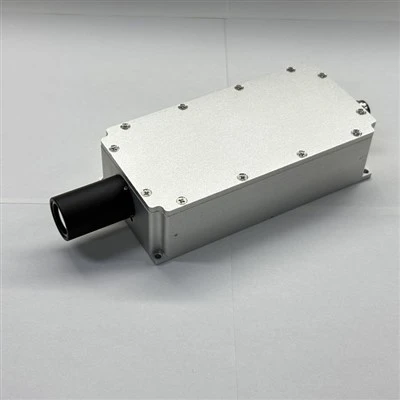
First off, let’s get one thing straight: not all “laser modules” are made equal. Machine vision ones are specific—they need tight alignment, consistent output (no random power drops mid-inspection), and often come in shapes or wavelengths that fit your camera setups. If you just grab a random laser off Amazon, it might work for a DIY project, but it’ll fail fast when you’re running 24/7 on a production line. So where do you go that has legit, tested modules?
Let’s start with the most obvious spot: specialized industrial component suppliers. Wait, not the big general ones like Grainger or McMaster-Carr—don’t get me wrong, they have a lot, but their machine vision laser section is often an afterthought, with generic options and limited support. The good ones are suppliers that live and breathe machine vision stuff. These are the teams that stock modules in common wavelengths—like 650nm red for alignment, 520nm green for high-contrast inspections, 450nm blue for certain materials, and even infrared for applications that don’t need visible light. We work with a lot of these suppliers, and they’ll even let you order samples to test, which is a huge win. Why? Because a $5 sample is way cheaper than buying 10 modules that don’t work with your vision system. But here’s the catch: some of these suppliers are middlemen, meaning they mark up the modules to cover their own overhead. That’s not always bad, but if you’re hunting for bulk pricing, it’s worth checking direct too.
Speaking of direct: if you know what you’re looking for, buying straight from a machine vision laser module manufacturer is often the best move. Wait, but not every manufacturer will sell direct to small teams or startups—some only work with big corporations. But the ones that do? They usually have smaller minimum order quantities (MOQs), transparent pricing, and more flexibility. For example, if you need a custom length module that fits a tight space on your assembly line, a good direct supplier can tweak the housing or adjust the output to match your needs. That’s not something a middleman is going to bother with, since they don’t have the in-house engineering team. A lot of people worry that buying direct means less support, but the opposite is true—we’ve had engineers call us at 4pm on a Friday panicking because their module died mid-audit, and we get a replacement shipped same day. That’s the kind of support middlemen just can’t offer.
Now, what about online marketplaces beyond Amazon? Places like Alibaba or Global Sources get a bad rap for low-quality parts, but if you vet the supplier properly, they can work—if you’re buying in bulk, that is. But here’s the rule: only work with suppliers that have a factory audit certificate, at least three years of experience making machine vision lasers, and let you see a sample before you commit. I’ve seen folks save a few bucks on a Alibaba module, only to find it has a 1mm alignment error that messes up their entire inspection process. That costs way more than the extra $20 they saved. Plus, if you need technical support, most overseas suppliers don’t have someone who speaks fluent English on call, so troubleshooting is a nightmare. If you go this route, stick to suppliers that offer free technical consultations, not just “send us your money.”
Wait, let’s not sleep on local industrial distributors, either. If you’re in a big city with a manufacturing hub, there’s probably a shop within an hour that sells industrial machine vision parts. The plus side? You can walk in, hold the module, test it right there, and ask questions face-to-face. That’s perfect if you need a module yesterday—no waiting for shipping. The downside? Their inventory is limited, so if you need a rare wavelength or a custom size, they won’t have it. But for quick, off-the-shelf needs, they’re solid. I’ve had a customer come to us before, panicking because their local distributor only had 5 modules when they needed 20, so we overnighted them no questions asked. That’s a good example of why having both local and backup suppliers works.
Now, let’s talk about what to avoid. No one needs a laser module that dies after a week, right? So skip sellers that don’t offer a warranty—any reputable supplier will back their modules with at least a 12-month warranty, and some even offer 24 months. Also, avoid anyone that doesn’t list technical specs clearly. If a seller just says “laser module” without telling you the output power (in mW), the beam divergence (in mrad), or the housing dimensions, run the other way. Those numbers are non-negotiable for machine vision—get them wrong, and your inspection system will give false positives or miss defects entirely.
Here’s a pro tip: before you buy, know exactly what you need. Machine vision lasers don’t just come in one size. Let’s say you’re inspecting tiny electronics parts—you’ll need a line laser with a narrow, thin beam to hit a small area. If you’re inspecting a whole car door panel, you’ll need a wider line or a grid laser. Wavelength matters too: red is good for most visible materials, but if you’re working with clear plastics or glass, infrared is better because it doesn’t reflect like visible light. If you go into a supplier knowing these basics, you won’t get talked into a module that’s wrong for your job.
A lot of people ask me, “Is it worth paying more for a reputable supplier?” Let’s put it this way: we’ve had customers who bought cheap modules, had to re-calibrate their entire vision system, and lost 3 days of production time. That downtime cost them way more than the difference between a $50 cheap module and a $100 good one. The right laser module isn’t a cost—it’s an investment in your inspection process. It reduces defects, speeds up your line, and saves you money in the long run.
So, where does that leave you? It boils down to your needs. If you need a single sample to test, buy direct from a specialist supplier that offers samples. If you need 50 modules for a production line, check both specialized distributors and vetted market suppliers for bulk pricing. If you need something custom, skip the middleman and go straight to a manufacturer that can work with you. And whatever you do, don’t skip the warranty and tech support checks—those are the things that make or break your experience.
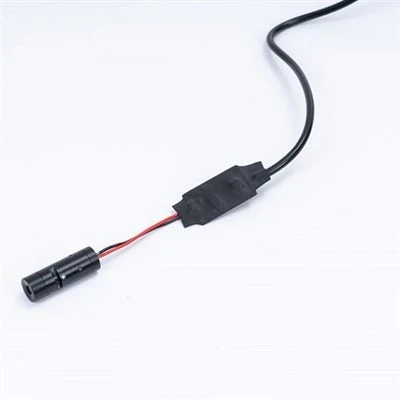
At the end of the day, the best place to purchase machine vision laser modules depends on your timeline, budget, and requirements. But if you’re looking for a partner that gets machine vision, offers flexible options, and doesn’t nickel-and-dime you for support, it’s worth reaching out to a supplier that’s been in the game for years. We work with teams of all sizes—from tiny startups to big manufacturing plants—and we can help you find the right module, whether it’s off-the-shelf or custom. No sales pitches, no jargon, just straight talk about what will work for your project. If you’re ready to chat through your needs, we’re here to help you find the perfect machine vision laser module, no strings attached.
DOE Laser Modules References
- Machine Vision Association. (2022). Key Components for High-Precision Industrial Inspection Systems.
- Laser Institute of America. (2021). Safety and Performance Standards for Industrial Laser Modules.
- Industrial Manufacturing Suppliers Network. (2023). Best Practices for Sourcing Machine Vision Components.
- International Organization for Standardization. (2022). ISO 11145: Optics and photonics—Vocabulary for lasers and laser-related equipment.
- Vision Systems Design. (2023). 2023 Guide to Machine Vision Component Sourcing.
Changshu Desheng Optics Electronics Co., Ltd.
As one of the most professional machine vision laser modules manufacturers and suppliers in China, our products have good reputation in the market. Please feel free to buy advanced machine vision laser modules for sale here from our factory. Good service and quality products are available.
Address: 8A, Yineng science and technology industrial park, No.183, Yinhe Road, Southeast Development Zone, Changshu, Jiangsu Province, China.
E-mail: desheng1@dershinelaser.com
WebSite: https://www.ds-lasers.com/
