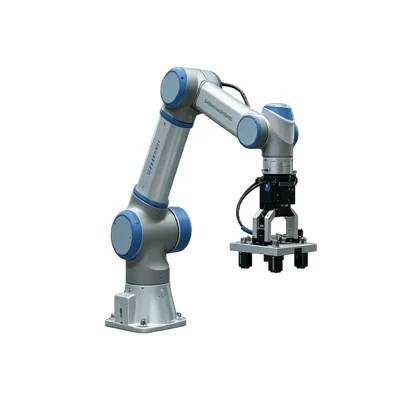
If you’re working in manufacturing, automation, or material handling, you know hydraulic gripping systems are workhorses—they’re strong, reliable, and can handle everything from tiny electronics components to heavy metal parts on a production line. But here’s the thing: even the most durable systems break, and when they do, it almost always leads to downtime, lost productivity, and extra costs. As a gripping systems supplier, I’ve seen it all over the years—from small, avoidable mistakes to big, costly oversights. Today, I want to break down the most common faults we run into, what causes them, and how you can avoid them (or fix them fast when they pop up). Gripping Systems
First off, let’s talk about the number one issue we see in the field: hydraulic fluid contamination. It sounds basic, but you’d be surprised how often this gets overlooked. Hydraulic systems run on clean fluid—if there’s dirt, metal shavings, moisture, or even air bubbles in the mix, it’s a disaster waiting to happen. Here’s why: air bubbles compress, so when your gripper is supposed to clamp down with consistent force, those bubbles absorb some of the pressure, leading to inconsistent gripping. That means you might get a loose part on the line one minute, and a crushed component the next. Dirt and debris? They act like sandpaper in tiny gaps between valves, seals, and pistons. Over time, that wears down seals, causes leaks, and makes valves stick. We once had a customer who thought his fluid was fine because he changed it six months prior—turns out, his filter was cracked, so metal shavings from a nearby machine had been getting into the system for weeks. By the time he called us, his gripper’s piston was so worn it could no longer hold the part, costing him two days of production. Pro tip: check your fluid level and quality every month, and don’t skip filter changes—those small steps save way more than fixing a contaminated system.
Next up, seal failure. Seals are the unsung heroes of hydraulic grippers—they keep fluid where it needs to be (inside the cylinders, valves, and lines) and block contaminants from getting in. But seals aren’t indestructible. There are a few reasons seals go bad faster than they should. First, improper installation. We’ve seen installers stretch seals too tight when putting them in, which causes them to tear or crack within a few weeks. Or they might use the wrong type of seal for the fluid or operating temperature—for example, a rubber seal that can’t handle high heat will degrade fast in a foundry environment. Second, wear and tear from constant use. Every time the gripper opens and closes, the seal rubs against the piston or cylinder wall. Over time, that friction wears down the seal, leading to leaks. The third culprit is again, contamination—dirt particles grind against the seal, making small cuts that turn into big leaks. A small hydraulic leak might seem harmless at first, but it can lead to low fluid pressure, which makes your gripper weaker, and if it’s left unaddressed, it can damage the entire system. We always tell customers to inspect seals during routine maintenance—look for small cracks, weeping fluid around the cylinder, or the gripper moving slower than usual. Replacing a seal is way cheaper than replacing a whole gripper or dealing with a production shutdown.
Then there’s pressure-related issues. Hydraulic grippers rely on consistent pressure to get the right gripping force. If your system has low pressure, your gripper won’t clamp hard enough to hold the part, leading to parts dropping or shifting. If it’s too high, you risk crushing delicate parts or damaging the gripper itself. What causes pressure issues? Common ones are clogged filters (which we talked about earlier—they restrict fluid flow, leading to lower pressure), a faulty pressure relief valve (this valve is supposed to stop pressure from getting too high, but if it’s stuck or calibrated wrong, it can mess everything up), or a leak in the lines or cylinders. Another thing we see: people adjust the pressure to fix a problem that’s actually caused by something else. For example, if your gripper is weak, cranking up the pressure might seem like a quick fix, but it puts extra stress on seals and cylinders, leading to earlier failure. We had a customer last year who did this—he thought his gripper needed more force, so he upped the pressure by 20%. Within a month, two seals blew, and his cylinder was scored beyond repair. Moral of the story: always test pressure levels with a gauge, not guesswork, and make sure any pressure adjustments are in line with your gripper’s specifications.
Valve problems are another big one. Hydraulic valves control the flow of fluid to the gripper, which determines when it opens, closes, and how hard it grips. The most common valve issues are sticking and malfunctioning. Sticking valves usually come from contamination—dirt or debris gets stuck in the valve spool, so it can’t move properly. That means the gripper might not open all the way, or it might open when it’s supposed to stay closed. We once had an electronics manufacturer whose gripper would randomly open mid-assembly, dropping tiny circuit boards onto the floor. Turns out, a metal shaving had gotten into the directional valve, causing it to stick. The fix was flushing the system, replacing the valve, and adding a better filtration system—solved the problem instantly. Another valve issue is electrical failure, especially in automated systems where valves are controlled by sensors or PLCs. If the solenoid (the part that activates the valve) burns out or has a loose wire, the gripper won’t respond to signals, which brings the line to a halt. Routine checks of valve wiring and connections can prevent most of these issues.
Wait, let’s not forget about misalignment. A lot of people overlook this, but if your gripper isn’t aligned properly with the part or the machine it’s mounted on, it causes extra stress on the entire system. For example, if the gripper jaws are crooked when they close, they’ll pull on the part instead of clamping evenly. That not only risks damaging the part but also puts uneven force on the cylinder and seals, leading to premature wear. How does misalignment happen? Usually during installation, when the gripper is mounted wrong, or over time as the machine vibrates. Vibration is a huge one—heavy production machines vibrate constantly, which can loosen bolts and shift the gripper’s position over months. We recommend checking alignment during every routine maintenance visit—use a straightedge or alignment tool to make sure the jaws are parallel and the gripper is square to the work surface. Small shifts, even a few millimeters, can make a big difference in how long your gripper lasts.
Another fault we see: fluid type mismatch. Hydraulic systems are designed for specific fluids—using the wrong one is a fast track to problems. For example, using a fire-resistant fluid in a system designed for mineral oil can cause seal degradation, because the two fluids react differently with the seal materials. Or using a thin fluid in a system that needs a thicker one can lead to internal leaks, because the fluid can’t seal gaps in the cylinder and valves. We’ve had customers show up with a gripper that’s leaking badly, and when we check, they put a generic hydraulic fluid from the local hardware store instead of the specialized fluid we recommend. It’s not that the generic is bad—it’s just not formulated for their specific gripper, which has precision seals and operates at high pressure. Always use the fluid specified by the manufacturer, and if you’re switching fluids, flush the entire system first to avoid mixing.
Now, let’s talk about what happens when these faults aren’t fixed. I don’t have to tell you downtime is expensive—for a factory that runs 24/7, even an hour of downtime can cost thousands of dollars in lost production, missed deadlines, and overtime for workers to make up the time. But the good news is, most of these common faults are preventable with basic maintenance. We’re not talking about overhauling your entire system every month—just a few simple steps: check fluid quality monthly, replace filters as recommended, inspect seals for wear, test pressure levels, check alignment, and make sure you’re using the right fluid.
As a gripping systems supplier, our job isn’t just to sell you a gripper—it’s to help you keep it running smoothly. We’ve worked with hundreds of manufacturers across industries, and we’ve seen firsthand how small maintenance habits can extend the life of a hydraulic gripper by years. If you’re dealing with consistent gripper issues, or you’re not sure if your system is running as it should, don’t wait for a breakdown to call. We can help you troubleshoot, suggest routine maintenance schedules, or even upgrade your system if it’s time.
If you’re looking to avoid those costly shutdowns, or you need a reliable gripping system that’s built to handle your application, reach out to our team to discuss your requirements. We’ll walk you through the best options, answer any questions you have, and help you find a solution that fits your needs and budget. Don’t let common faults derail your production—let’s work together to keep your gripping system running strong.
Spray Coating Equipment References
- Hydraulic Fluid Contamination: Causes, Effects, and Prevention. National Fluid Power Association, 2022.
- Seal Failure in Hydraulic Cylinders: Analysis and Mitigation. Society of Tribologists and Lubrication Engineers, 2021.
- Pressure Management in Industrial Hydraulic Gripping Systems. International Journal of Manufacturing Engineering, 2020.
- Routine Maintenance Practices for Hydraulic Systems. Occupational Safety and Health Administration (OSHA), 2023.
- Misalignment Impacts on Hydraulic System Performance. Journal of Machine Components, 2022.
Wanyuan Yuanwei Automation Equipment Co., Ltd.
With abundant experience, we are one of the most professional gripping systems manufacturers and suppliers in China. Please feel free to wholesale high quality gripping systems for sale here from our factory. Good service and punctual delivery are available.
Address: No.392, Wanbai Road, Baisha Town, Wanyuan City, Dazhou City, Sichuan Province
E-mail: wanyuanyuanwei@outlook.com
WebSite: https://www.yuanweiautomation.com/
