Safety Precautions When Replacing Instrument Spare Parts – From an Instrument Spare Parts Supplier’s Perspective
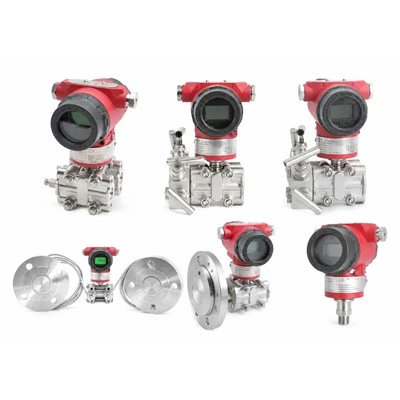
When a plant technician approaches me with a request for a spare part, I don’t just see a product number on a screen. I see someone navigating a high-stakes task: swapping out a faulty instrument that keeps a refinery’s pressure stable, a pharmaceutical reactor’s temperature within strict limits, or a food processing line’s flow rate compliant with safety regulations. Over 12 years in the instrument spare parts supply business, I’ve seen too many near-misses and small accidents that could have been avoided if the right precautions were taken during part replacement. Instrument Spare Parts
This isn’t just about selling the right part. It’s about ensuring that the technician installing that part goes home safe at the end of the shift. Let’s break down the non-negotiable safety steps we always emphasize to our customers, and the lessons we’ve learned from supporting them through countless part replacements.
1. Lockout/Tagout (LOTO) – The Non-Negotiable First Step
I can’t tell you how many times a customer has called me in a panic because a valve suddenly cycled while they were replacing a pressure transmitter, causing a minor injury. Almost without exception, the root cause was skipping proper LOTO procedures. LOTO isn’t just a rule from OSHA; it’s the first line of defense between a technician and uncontrolled energy.
Before touching any instrument spare part, the entire process loop – and any auxiliary systems connected to it – must be locked out and tagged out. This means shutting off power, isolating fluid lines, relieving trapped pressure, and verifying that the system is completely inert before starting work. For instruments in hazardous locations, this is even more critical: a spark from an ungrounded tool could ignite flammable vapors that fill a confined space.
We recently supplied a set of differential pressure transmitters to a chemical plant where a technician had attempted to replace a sensor without LOTO. A residual pressure spike ruptured the new sensor’s diaphragm, sending shrapnel that narrowly missed them. After that incident, the plant’s maintenance team revised their entire procedure, and they now require every technician to get a second person to verify LOTO before opening any instrument enclosure. That’s the kind of proactive change we love to see, and it’s exactly why we include a one-page LOTO checklist with every spare part shipment.
2. Verify the Part Matches the Exact Application – No Generic Substitutes
As a supplier, I’ve had customers come to us with a wrong part, or even a generic replacement, that caused more problems than it solved. A few years back, a food and beverage manufacturer tried to use a general-purpose temperature transmitter in a steam line, assuming “temperature transmitter” was all they needed. The part couldn’t handle the 150°C steam, failed within a week, and shut down their pasteurization line for 12 hours. Not only did they lose production, but the technician who installed it had to work overtime to fix it – increasing their exposure to fatigue-related mistakes.
Generic parts might seem like a cost-saver, but they skip critical safety-rated features. Instrument spare parts designed for hazardous areas have intrinsic safety certification; parts for high-pressure applications have pressure-rated housings; parts for sanitary processes have cGMP-compliant materials. Using a part that doesn’t match these specifications can lead to leaks, electrical faults, or even equipment damage that puts both personnel and the facility at risk.
When you order a spare part from us, we never just ship the first part in stock. We cross-reference your original equipment manufacturer (OEM) model number, application environment, and safety ratings to make sure the replacement is an exact match. If a customer is in a pinch and needs a temporary substitute, we always provide a written warning about its limitations – no fine print, no upsells, just clear information to keep them safe.
3. Personal Protective Equipment (PPE) – Beyond Gloves and Goggles
I’ve watched a technician replace a pH probe in a wastewater treatment plant wearing only work gloves – they didn’t realize the probe was connected to a live electrical line until they touched it. PPE isn’t a one-size-fits-all: it has to match the hazards of the specific job.
For instrument replacement tasks, here’s what we consistently recommend to our customers:
- Electrical safety-rated gloves for any instrument connected to power;
- Chemical splash goggles or face shields when working with process fluids;
- Non-sparking tools for work in Class I, Division 1 hazardous areas;
- Hard hats in areas where piping or equipment is overhead;
- Respiratory protection if the replacement is in a confined space with vapors.
A common mistake is cutting corners on PPE when working on small, “simple” instruments. A pressure gauge replacement might seem trivial, but if that gauge is on a line with high-pressure gas, a sudden rupture can cause flying debris that PPE can prevent. We supply PPE as part of our value-added service, working with customers to make sure their maintenance teams have the right gear for every job – not just the gear they have in the tool closet.
4. Test Before Final Installation – Don’t Assemble and Go
Too many teams treat instrument replacement as a “swap and go” task. But testing a spare part before final installation can catch defects that would otherwise lead to shutdowns or accidents. Last year, we shipped a flow meter to a mining operation where the technician tested the part in the shop before installing it – and found a manufacturing defect that would have caused inaccurate flow readings, leading to over-pressurization of a slurry line. That 10-minute test saved the plant from a potential spill and thousands in cleanup costs.
Testing steps should include:
- Electrical continuity checks for transmitters and sensors;
- Pressure calibration for gauges and valves;
- Communication testing for digital instruments (like HART or Modbus devices) to ensure they connect to the control system;
- Leak checks for process connections before tightening fittings completely.
We include a simple testing guide with every instrument spare part we supply, tailored to the type of part. For example, if you’re replacing a level transmitter, the guide walks you through simulating level readings in the shop to confirm the part’s output matches your control system’s requirements. We also offer pre-calibrated parts upon request, so our customers don’t have to do basic calibration in the field – reducing both time and exposure to hazards.
5. Confined Space and Hot Work Protocols – When Extra Care Is Non-Negotiable
Many instrument replacements happen in confined spaces: inside tanks, pipelines, or utility vaults. These areas have their own unique safety rules, and they’re where too many accidents occur. We had a customer a few years back who tried to replace a temperature sensor in a sewer vault alone. They didn’t test for toxic gases, and they almost passed out from hydrogen sulfide before being rescued by a coworker. That incident was a wake-up call for the plant, which now requires a confined space entry permit and an attendant for any work in areas that aren’t fully ventilated.
Hot work (welding, cutting) is another scenario that comes up when replacing instrument parts. If you need to modify a mounting bracket for a spare part, you have to make sure that no flammable materials are nearby, and that the work area is properly guarded. We’ve had customers who skipped hot work permits to save time, only to have a spark ignite a small fire near an electrical panel – causing damage to both the equipment and their budget.
If your job requires working in a confined space or doing hot work, don’t cut corners on the protocols. Our team always reminds customers that these processes are in place to protect you, not to slow you down. We even work with customers to supply parts that can be installed without modification, reducing the need for hot work where possible.
6. Dispose of Old Parts Properly – Hazardous Materials and Equipment
When you replace an instrument spare part, the old part isn’t just scrap. It may contain hazardous materials: lead in old pressure gauges, mercury in temperature sensors, or residual process fluids that need special handling. Improper disposal can harm the environment and create safety hazards for anyone handling the scrap.
We’ve helped customers navigate this by providing guidance on local regulations for disposing of instrument parts. For example, many industrial facilities have their own scrap metal programs, but old electronics and sensors need to be sent to certified recycling centers. We also offer take-back programs for certain parts, where we recycle the components responsibly, ensuring that hazardous materials are contained and not released into the environment.
A few years ago, a food processing plant was fined for improper disposal of old pH probes, which contained trace amounts of heavy metals. That fine could have been avoided with a simple call to our team, who would have directed them to the correct recycling facility. We see this as part of our responsibility as an instrument spare parts supplier – not just selling parts, but supporting safe handling of the entire lifecycle, from delivery to disposal.
A Word From Our Experience – Small Mistakes Have Big Consequences
Over the years, we’ve learned that the best safety practices aren’t just checklists – they’re habits that become second nature. A technician who always verifies LOTO before working on a part, who takes 10 minutes to test a spare in the shop, and who uses the right PPE without hesitation is someone who stays safe.
We’ve had the privilege of working with thousands of maintenance teams, and the ones who prioritize safety aren’t just the ones with fewer accidents – they’re the ones who get the most out of the instrument spare parts we supply. They ask questions, double-check procedures, and don’t rush through tasks. That’s why we don’t just sell parts; we build relationships based on safety, transparency, and mutual care.
Flameproof Explosion Proof Pressure Transmitter If you’re responsible for maintaining industrial instruments, and you want to make sure your next part replacement is as safe as possible, we’re here to help. Whether you need guidance on choosing the right spare part, want to review your replacement procedures, or just have questions about a specific instrument, our team is ready to assist. Don’t wait for a near-miss to make safety a priority – connect with us to discuss your instrument spare part needs and safety protocols.
References
- Occupational Safety and Health Administration (OSHA). Lockout/Tagout of Hazardous Energy. OSHA Publication 3069, 2019.
- International Electrotechnical Commission (IEC). Standard for Intrinsically Safe Instrumentation. IEC 60079, 2021.
- U.S. Environmental Protection Agency (EPA). Guidelines for Recycling Industrial Instrument Components. EPA 530-F-20-004, 2020.
- National Fire Protection Association (NFPA). Standard for Electrical Safety in the Workplace. NFPA 70E, 2022.
Shanghai Zhaohui Pressure Apparatus Co., Ltd.
Shanghai Zhaohui Pressure Apparatus Co., Ltd. is one of the most professional instrument spare parts manufacturers and suppliers in China, featured by quality products and good service. Please rest assured to wholesale advanced instrument spare parts in stock here from our factory. Also, customized service and 1 year warranty are available.
Address: 2-6/F, Building 8, No.115, Lane 1276, Nanle Road, Shanghai, China
E-mail: sensorsales@zhyqsensor.com
WebSite: https://www.sinosensor.net/
