Hey folks, let’s cut to the chase: I’m the owner of a small but busy aluminium alloy products supplier, and I know you’ve probably heard mixed takes on aluminium lately. On one hand, it’s that recyclable “green metal” everyone brags about, and on the other, there’s side-eye from folks worried about its production footprint. As someone who’s been in this game for 12 years, I’ve seen firsthand the good, the bad, and the ugly when it comes to making our stuff—whether that’s custom tooling brackets, automotive parts, or kitchenware for local businesses. Let’s break down what actually goes into making aluminium alloy products, the environmental hits, and where we’re actually trying to do better (because if I’m being honest, I’ve messed up a few things over the years too). Aluminium Alloy Products
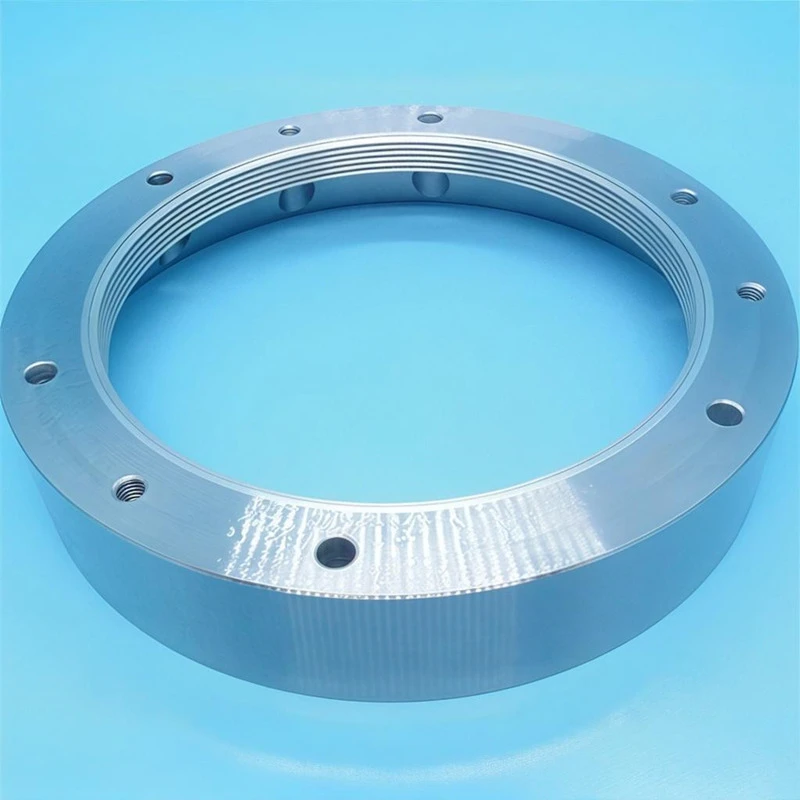
First, let’s get one thing straight: aluminium alloy isn’t just raw aluminium. When we make our products, we’re mixing pure aluminium with tiny amounts of other metals—like copper, magnesium, or zinc—to make it stronger, lighter, or more rust-resistant. That mix changes the production impact a little, but most of the big environmental stuff starts way before we even open our furnace doors. The first step is getting bauxite, the ore that’s the base for all aluminium. If you’re not in the industry, bauxite is dug up from open-pit mines mostly in places like Australia, Guinea, and Brazil. Here’s the thing: open-pit mining doesn’t leave the site the way it found it. We’re talking stripping entire forests, wiping out habitats for animals, and messing with local water tables. A few years back, I had a client in Brazil tell me their local river turned murky from mine runoff, and it took two years for the fish to come back. That’s the first big strike, and it’s not something we can control as suppliers—we’re buying from refineries, not mining directly—but it’s impossible to talk about impacts without naming that starting point.
Once they mine bauxite, the next step is refining it into alumina, which is basically aluminium oxide. That’s where the Bayer process comes in—think lots of caustic chemicals (sodium hydroxide) and big energy use. Refineries discharge waste called red mud, which is super alkaline and can poison soil and groundwater if it leaks. I’ve seen news stories of red mud ponds bursting in Hungary and Jamaica, wiping out villages’ farmland. That’s a big one, and while many refineries now store red mud in sealed dams, old ones still leak, and even the new ones can have issues if maintenance slips.
Then comes the part that everyone talks about: smelting alumina into pure aluminium. This is the energy hog, no question. Smelting uses electrolysis—you pass a huge electric current through molten alumina to split it into aluminium metal. Back in the day, this was powered almost entirely by coal, which released tons of CO2. Even now, most smelters still rely on fossil fuels, though some are switching to hydro or wind power. For example, smelters in Iceland run on 100% hydro, so their carbon footprint is way lower than a plant in China that uses coal. As a supplier, I do everything I can to pick refineries with greener energy—but I’m not gonna lie, the more sustainable stuff costs 15-20% more, which makes it hard to compete with the cheap Chinese imports that flood the market. That’s a tension we deal with every day.
Now, once we get pure aluminium ingots from the smelter, we mix them with our alloying metals and turn them into products. This is where my team actually gets to control a lot. The good news here is that aluminium is 100% recyclable, and we can use up to 95% recycled aluminium in our alloys if we want. Wait, let me clarify: recycled aluminium only uses about 5% of the energy of new smelting—like, I remember the stats: making a new can from recycled saves enough energy to run a TV for 3 hours. But here’s the catch: a lot of recycled aluminium is “contaminated” with old coatings, dirt, or mixed metals, so if you want a high-quality alloy (the kind we use for automotive parts or aerospace, which need specific strength), you have to process that scrap really carefully. For a long time, I used more new ingots because I thought recycled scrap wasn’t strong enough for our products. But a couple years ago, we invested in a small scrap sorting and melting system, and now we use 60% recycled aluminium in all our standard products. It took some trial and error—we had a few batches that came out too brittle because of bad scrap mixes—but now it works. That’s a win we’re proud of.
But even the part we control isn’t perfect. When we melt the alloy to cast it into parts, we release some emissions—mostly greenhouse gases, but also tiny amounts of volatile organic compounds (VOCs) and metal dust from the alloying metals. A few months back, my local environmental inspector came by and had us upgrade our furnace’s emission control system, which cut our dust output by 80%. It was a $12k expense that no one wants to take on, but it was the right thing to do. Also, waste from our shop: when we cut and shape the alloy, we get a lot of scrap trimmings. We used to just toss that into our metal bin, but now we ship all of it back to a local recycling center that processes it into new ingots. Last year, that saved us from sending 12 tons of metal to the landfill. Small stuff, but it adds up.
Wait, let’s not forget end-of-life impacts, because a lot of folks only talk about production, but that’s half the story. Our products—say, an aluminium bracket for a construction site, or a kitchen pot—are gonna get tossed eventually. But if we make them to be durable, they can last 20, 30, even 50 years before they’re recycled. The bad news is that a lot of aluminium products end up in landfill because people don’t know they’re recyclable, or the cost to collect and process them is too high. For example, a few years back, we made some custom tool parts for a manufacturing company, and last year they upgraded their machines, so they had 50 old brackets. We took them back for free and processed them into new parts for a new customer. That’s the kind of circularity we’re pushing for, but it’s not standard yet.
Now, let’s be real: there’s a lot of greenwashing in this space. A lot of suppliers claim their products are “100% green” when they’re using mostly new aluminium from coal-powered smelters. As someone who’s actually in the factory every day, I can tell you that no production is perfect. Even the most sustainable aluminium still has a footprint, it’s just smaller than most other metals—like steel, which takes way more energy to make, or plastic, which is made from fossil fuels and never fully breaks down.
So what’s being done to fix the worst parts? For one, regulators are cracking down on red mud waste. The EU now requires refineries to treat red mud to neutralize its alkalinity before storing it, which cuts the risk of leaks. Also, new smelting tech—like inert anode technology, which replaces the carbon anodes that make CO2 emissions—could cut smelting’s footprint by 90% once it’s scaled. Right now, it’s still too expensive for most small smelters, but big companies are investing in it. As a small supplier, I’m hoping that tech becomes affordable in the next 5 years, so I can switch even more of my production to low-carbon alloy.
But here’s the thing: if you’re looking for aluminium alloy products, it’s not just about picking the “greenest” one—it’s about working with a supplier who’s transparent about their impacts. I post our carbon footprint reports on my website (I won’t link it, but if you look me up, it’s there), I let you know how much recycled metal we use, and I’ll tell you straight if a batch had to come from a coal-powered smelter because that’s the only one that can make the exact alloy you need.
At the end of the day, aluminium is gonna be a big part of the transition to a greener economy—electric cars use way more aluminium than gas cars, wind turbines, solar panels, all use it. So we can’t just stop making it. But we can make it better, step by step. That’s why I started this blog, actually—because I’m tired of people thinking all aluminium production is either perfect or garbage. There’s a middle ground, and I’m trying to take it.
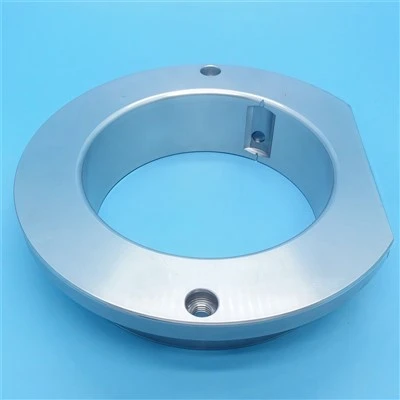
If you’re in need of custom aluminium alloy products—whether that’s small batches of kitchenware, precision parts for machinery, or large structural components—hit me up. I’d love to chat about your project, show you how we make our stuff, and figure out a way to keep it as green as possible. No sales pitches, just real talk about what works and what doesn’t.
Thin Walled Babbitt Bearings References
- International Aluminium Institute. (2023). Aluminium Life Cycle Assessment Data Report.
- World Wildlife Fund. (2022). Environmental Impacts of Bauxite Mining and Refining.
- U.S. Environmental Protection Agency. (2021). Aluminum Recycling and Circular Economy Guidelines.
- European Aluminium Association. (2023. Smelting Technology and Carbon Reduction Initiatives).
- Journal of Cleaner Production. (2022. The Carbon Footprint of Aluminum Alloy Production: Trade-offs Between Recycled and Primary Metal Use).
Wenzhou Zhengbang Bearing Co., Ltd.
We are one of the most professional aluminium alloy products manufacturers and suppliers in China. With abundant experience, we warmly welcome you to buy customized aluminium alloy products at competitive price from our factory. If you have any enquiry about free sample, please feel free to email us.
Address: Units 1-1 and 3-1, Building 12, Yongxing Nanyuan Small and Micro Enterprise Startup Park, Binhai 2nd Road, Yongxing Subdistrict, Longwan District, Wenzhou City, Zhejiang Province.
E-mail: zbbearing@zbbearing.com
WebSite: https://www.zb-bearings.com/
