If you’ve ever stopped at a water treatment plant, a food processing facility, or a large industrial warehouse with massive pipe networks, you’ve probably walked past a butterfly valve and never noticed it. For me, that’s part of what makes working as a concentric butterfly valve supplier so interesting: these small, unassuming components hold entire systems together, and their weight is one of the first things a plant engineer, pipe fitter, or project manager will ask about when putting together a quote or planning an installation. Last week, I got a call from a maintenance supervisor at a municipal wastewater treatment plant in the Midwest. He was mid-way through a $2 million pipe upgrade and needed to replace 12 old valves, and he had a simple, specific question: “What’s the actual weight of a concentric butterfly valve?” Concentric Butterfly Valve
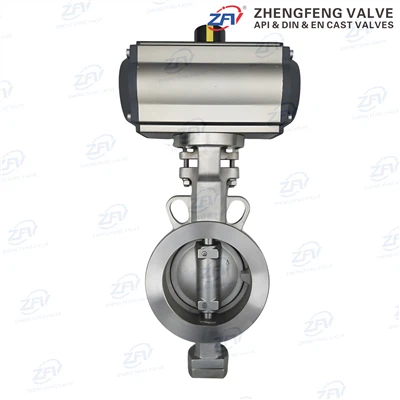
I get that question all the time, and it’s never a one-sentence answer. The weight of a concentric butterfly valve isn’t a fixed number – it depends on a dozen different factors, from the size of the pipe it fits to the material it’s made of, the pressure rating it’s designed to handle, and even the type of actuator you pair with it. Too many new suppliers online will post a single “average weight” for a 12-inch valve, and that’s useless for someone hanging a valve 20 feet up in a pipe rack, or calculating how much their shipping costs will add up to for a full order. Let’s break this down like I do with every customer, starting with the basics of what a concentric butterfly valve actually is, so you understand why its weight varies.
First, let’s clarify the difference between concentric butterfly valves and other types, because that’s where a lot of confusion starts. Unlike double-offset or triple-offset butterfly valves, which are designed for high-pressure or high-temperature applications, concentric butterfly valves have a simple design: the disc rotates on a single axis that lines up perfectly with the center of the pipe. That simplicity is why they’re the most common type for low-to-medium pressure applications, like water distribution, HVAC systems, and mild chemical processing. The trade-off for that simplicity is that their disc sits directly in the flow path when open, which makes them less ideal for extreme conditions, but it also keeps their construction straightforward – which is why we can calculate their weight so accurately.
To answer that original question, let’s start with the core components of any concentric butterfly valve: the body, the disc, the seat, the stem, and the actuator (if included). The body is the outer round shell that bolts to the pipe flanges, and that’s the single biggest factor in weight. I’ll use standard ANSI (American National Standards Institute) valve sizes, since that’s what 90% of our North American customers use, because metric sizes are less common here, and the weight ranges are consistent enough for most purposes.
Let’s work through size first, because that’s the biggest variable. A 2-inch concentric butterfly valve is tiny – it fits in a pipe smaller than a soda can – while a 48-inch valve is big enough to walk through, almost. For a basic, standard weight class (ANSI Class 150) valve, made from ductile iron, the weight jumps pretty predictably: a 2-inch valve is around 3 pounds, a 6-inch is about 22 pounds, a 12-inch is 75 pounds, an 18-inch is 165 pounds, a 24-inch is 280 pounds, and a 36-inch hits 620 pounds. But that’s just the valve itself – the bare body and disc, no actuator. Most industrial applications use actuators to open and close valves remotely, and that adds significant weight. A small pneumatic actuator for a 6-inch valve adds another 15 pounds, while a 24-inch valve with an electric actuator can weigh an extra 50 to 70 pounds. That’s the difference between a valve you can carry by yourself and one that needs two people to lift – a detail that’s non-negotiable for a maintenance team that has to lift 40 pounds of equipment three times a shift.
Next, material. That second biggest factor is what the valve is made of, because ductile iron is the standard for most applications, but stainless steel, cast iron, or even bronze is common for food or chemical processing. Stainless steel is roughly 3 times denser than ductile iron, so a 12-inch valve that’s 75 pounds in ductile iron jumps to around 220 pounds in 316 stainless steel. That’s why when a customer orders a valve for a brewery or a pharmaceutical plant, I always flag the weight up front – not just to let them know how much it will cost to ship, but to warn them that their existing pipe racks or lifting equipment might not be rated for a 200-pound valve instead of a 75-pound one. A customer of mine in the craft beer industry learned that the hard way last year when they swapped a standard ductile iron valve for a stainless steel one and had to reinforce their pipe rack before the new valve arrived, which added $1,200 to their project budget. That’s the kind of detail I don’t skip when explaining valve weights.
Pressure rating is another key variable. The ANSI Class 150 is the lowest standard, designed for pressures up to 150 pounds per square inch, which is perfect for most municipal water lines. But a Class 300 valve is built to handle 300 PSI, so it has thicker walls, a heavier disc, and a sturdier seat to prevent leaks. That same 12-inch valve that’s 75 pounds in Class 150 is around 110 pounds in Class 300. For high-pressure applications like fire suppression systems or long-distance water lines, that extra weight is necessary, but it’s not something you want to be surprised by when it’s time to install the valve. I always include pressure rating in my weight quotes, even if a customer doesn’t ask for it, because it’s one of the most common reasons for unexpected delays.
Now, let’s talk about the parts that make up that weight, because it’s not just a random number. The body makes up about 60% of a concentric butterfly valve’s total weight, followed by the disc at 25%, the stem and seat at 10%, and the actuator making up the remaining 5%. That’s a breakdown I give to customers who are designing custom systems, because they might need to adjust for a specific part – for example, if they want a lightweight aluminum disc to reduce total weight, that cuts the disc’s contribution from 25% down to 10%, which lowers the total valve weight by 15 to 20% depending on size. That’s a popular option for HVAC systems, where reducing the load on pipe hangers is a priority.
There’s a common misconception I run into all the time: people think that because a butterfly valve is round, its weight scales linearly with size. That’s not true at all. The surface area of a circle is πr², so as the diameter of the valve increases, its weight grows exponentially. A 12-inch valve is 4 times the diameter of a 6-inch valve, but it’s 3.4 times the weight of a 6-inch valve, not 4 times. That’s important for customers ordering multiple large valves – a customer who needs three 24-inch valves isn’t getting three times the weight of a single 8-inch valve, they’re getting closer to eight times the weight, which changes their entire shipping and installation plan.
I also need to mention standard vs. wafer-style valves, because that’s another big difference. Wafer-style concentric butterfly valves are the most common, designed to be sandwiched between two pipe flanges without a separate body flange, which makes them lighter and cheaper. A wafer-style 12-inch Class 150 ductile iron valve is around 70 pounds, while a lug-style valve (which has external flanges to bolt directly to the pipe, no separate flanges needed) is around 80 pounds. The lug-style is slightly heavier because of the external lugs, but it’s easier to install in retrofits, so that extra weight is worth it for many customers.
Now, let’s get real about practical considerations, because weight isn’t just a number on a spec sheet. When I was first starting out as a valve supplier 12 years ago, I had a customer who ordered three 36-inch concentric butterfly valves for a new water treatment plant, and they assumed the weight was 620 pounds each, as listed on the spec. When the valves arrived, their installation crew showed up with a 500-pound capacity forklift to unload them, and the valves were actually 620 pounds. The forklift was rated for 500 pounds at full extension, and the extra 120 pounds meant they couldn’t lift the valves off the truck, which cost them a full day of installation time and a lot of frustration. That’s why I never just send a spec number – I always list a weight range, not a single number, and I make a point to highlight if a valve is going to be heavier or lighter than a standard spec.
Another common use case: for portable systems, like mobile water treatment units or temporary HVAC systems, weight is a critical factor. A customer building a mobile unit for disaster relief needs valves that are as light as possible, so we’ll recommend aluminum bodies and lightweight actuators, cutting a 24-inch valve’s weight from 350 pounds all the way down to 190 pounds, which makes it easy to load onto a flatbed truck with a manual forklift. For permanent installations, weight matters for pipe hanger load, so we’ll work with the engineer to make sure the pipe racks are rated for the total weight of the valves plus the weight of the fluid they’ll be holding, which adds another 8.3 pounds per gallon of water.
Wait, I should mention that too – the weight of the fluid inside the pipe is separate from the valve’s weight, but it’s a common point of confusion. A 12-inch pipe with water weighs about 38 pounds per linear foot, so a 10-foot section of pipe with two valves will have a total weight that includes the pipe, the valves, and the fluid. That’s why a lot of project managers ask for valve weight estimates early, to make sure they’re not overloading the building’s structural supports.
Now, let’s talk about what I don’t include in the standard spec weight, because that’s another common source of surprise. If a customer adds a position indicator, a limit switch, or a manual handwheel for backup operation, that adds 5 to 15 pounds depending on the size. If they order a valve with a fire-seat design for high-temperature applications, that adds another 10 to 20 pounds because the seat is made of thicker, more heat-resistant material. Custom coatings for corrosion resistance, like epoxy or polyurethane, add another 2 to 5 pounds for large valves.
Over the years, I’ve built a system for answering the “what’s the weight of a concentric butterfly valve?” question that works for every customer. First, I ask for the valve size (in inches or millimeters), the pressure rating, the material, and whether they need an actuator or any custom features. Then I give them a detailed weight breakdown, including the body, disc, stem, seat, and any extra components, plus the total fully assembled weight. I also include a note about standard vs. custom materials, and I warn them about any installation considerations, like lifting capacity or pipe hanger load.
The reason I care so much about getting this right is that I’ve seen what happens when a valve is too heavy, or not heavy enough, when it arrives on site. I’ve had customers delay installations because their lifting equipment was too small, I’ve had customers go over budget because shipping costs were higher than expected, and I’ve had customers deal with leaks because they ordered a valve with a lighter seat that couldn’t handle their pressure. As a concentric butterfly valve supplier, my job isn’t just to sell a component – it’s to make sure that component works for their specific application, and that starts with giving them accurate, honest information, including weight.

If you’re a plant engineer, project manager, or maintenance supervisor planning an upgrade or new installation, don’t guess at valve weight. There are a lot of suppliers online who will give you a generic number that doesn’t account for your specific needs, and that’s how you end up with unexpected delays or extra costs. I’ve worked with every type of application, from small residential HVAC systems to large municipal water lines, and I can give you a precise, detailed weight estimate for any concentric butterfly valve, tailored to your size, pressure rating, material, and custom features. Whether you need a single valve for a quick repair or a full order for a multi-million dollar project, I can walk you through the details, answer any questions you have, and make sure you have all the information you need to get the job done right.
Triple Offset Butterfly Valve References:
- American Water Works Association. (2019). Butterfly Valves for Water and Wastewater Applications. AWWA Manual M9.
- Fluid Controls Institute. (2021). Industrial Valve Design and Application Standards. FCI Publication 70-21.
- ASME B16.34. (2022). Valves – Flanged, Threaded, and Welded End. American Society of Mechanical Engineers.
Zhejiang Zhengfeng Valve Co., Ltd.
We’re well-known as one of the leading concentric butterfly valve manufacturers and suppliers in China. With abundant experience, we warmly welcome you to buy bulk advanced concentric butterfly valve from our factory. If you have any enquiry about cooperation, please feel free to email us.
Address: Hengtong Road, Wuxing Industrial Park, Wenzhou, Zhejiang, China. 325105
E-mail: sales@zfvalve.com
WebSite: https://www.zfvcns.com/
