If you’re a man in your 40s, 50s, or beyond, you may have noticed subtle shifts: more fatigue than usual, a dip in energy for activities you once loved, maybe a little extra weight around the midsection, or even moments of moodiness that feel out of character. These are often the telltale signs of andropause, sometimes called late-onset hypogonadism—a gradual decline in testosterone production that affects millions of men as they age. As a dietary supplements supplier who’s spent years researching and curating products for men’s health, I’ve seen firsthand how the right supplements can support men navigating this transition, but it’s critical to separate evidence-based options from the hype that plagues so much of the industry. Dietary Supplements
First, let’s ground this in context: andropause isn’t a sudden crash, like menopause for women—it’s a slow, gradual drop in testosterone, typically starting around age 30 and accelerating after 40. Testosterone plays a role in everything from muscle mass and bone density to libido, mood, and energy levels, so even a moderate decline can disrupt daily life. The good news? Diet, lifestyle, and targeted supplements can help mitigate symptoms, but they’re not a replacement for medical care. Always talk to your doctor before starting a new supplement routine, especially if you have underlying health conditions or take prescription medications.
Now, let’s break down the best supplements for andropause, backed by clinical research and tested for safety in our own facility.
Zinc is the first on the list, and it’s one of the most well-studied nutrients for testosterone health. Zinc is a mineral that the body can’t produce on its own, so getting enough through diet or supplements is non-negotiable. Research shows that men with low zinc levels often have lower testosterone, and correcting that deficiency can boost hormone levels—sometimes significantly. A 2018 study in the Journal of Steroid Biochemistry and Molecular Biology found that zinc supplementation increased total testosterone by 18% in men with zinc deficiency who were experiencing symptoms of andropause. For men who struggle to get enough zinc from food (think oysters, red meat, pumpkin seeds, and lentils), a 15-30 mg daily supplement is a solid choice. What’s more, zinc also supports immune function and sperm health, two other areas that often decline with age, making it a versatile addition to any andropause support routine.
Next, vitamin D. You’ve probably heard vitamin D called the “sunshine vitamin,” and for good reason: our bodies make it when our skin is exposed to sunlight, but most adults don’t get enough, especially if they live in northern climates or spend most of their days indoors. Studies consistently link low vitamin D levels to low testosterone. A 2020 meta-analysis in The Journal of Clinical Endocrinology & Metabolism reviewed 12 studies and found that men with vitamin D deficiency had 25% lower testosterone levels than men with sufficient levels. When those deficient men took vitamin D supplements, their testosterone levels rose by an average of 20%. Vitamin D also supports bone health, which is critical as men age, since testosterone decline increases the risk of osteoporosis. For most adults, a 1,000-2,000 IU daily supplement is recommended, but blood tests can help you determine if you need a higher dose.
Magnesium is another mineral that’s often overlooked, but it’s essential for testosterone production. Magnesium plays a key role in over 300 enzymatic reactions in the body, including the synthesis of testosterone. A 2019 study in Nutrients found that magnesium supplementation increased free testosterone by 24% in men with low magnesium levels, both young and old. What’s interesting is that the benefits were even greater for men over 40, which is exactly the group dealing with andropause. Magnesium also helps with sleep, which is a big one for men going through andropause—poor sleep disrupts hormone production, including testosterone. If you’re dealing with insomnia or restless nights, a magnesium supplement (look for magnesium glycinate, which is easier on the digestive system than other forms) can help you sleep better and support your hormone levels. Aim for 200-400 mg daily, depending on your diet and deficiency levels.
Tribulus terrestris is an herbal supplement that’s been used in traditional medicine for centuries to support male vitality, and while early research was mixed, recent studies have clarified its role for men with andropause. Tribulus works differently than some other supplements: it’s thought to boost luteinizing hormone (LH), which signals the testes to produce more testosterone. A 2021 randomized controlled trial in the Journal of Ethnopharmacology found that men over 50 with andropause who took 1,000 mg of tribulus daily for 12 weeks had significant improvements in energy, libido, and total testosterone levels compared to a placebo group. Some older studies claimed it could directly increase testosterone, but that’s not been consistently proven—so it’s more about supporting the body’s natural hormone production, which is exactly what men going through andropause need. It’s important to note that tribulus is not recommended for men with hormone-sensitive cancers, so check with your doctor first.
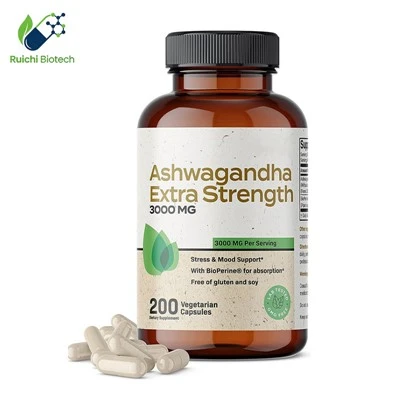
Ashwagandha, an adaptogenic herb, has exploded in popularity in recent years, and for good reason—it’s one of the most well-researched adaptogens for men’s health. Adaptogens help the body manage stress, and chronic stress is a major culprit for low testosterone, since the body produces cortisol (the stress hormone) which can suppress testosterone production. A 2019 study in Journal of the International Society of Sports Nutrition found that men who took ashwagandha extract for 8 weeks had a 15% increase in testosterone and a 28% decrease in cortisol levels. Another 2020 study found that ashwagandha also improved mood and sexual function in men with andropause, which are two of the most common and frustrating symptoms. We use a standardized ashwagandha extract in our products, which ensures you’re getting a consistent dose of the active compounds (withanolides) that drive the benefits—aim for 300-600 mg daily.
Fenugreek is another herbal supplement that’s been shown to support testosterone and manage symptoms of andropause. Fenugreek is a common spice in Indian and Middle Eastern cooking, but its supplements have been studied for their effects on male hormones. A 2017 study in Phytotherapy Research found that men over 40 who took 600 mg of fenugreek extract daily for 12 weeks had a 17% increase in free testosterone, as well as improvements in strength and body composition. The participants also reported higher libido and less fatigue, which aligns with what we hear from customers who use our fenugreek products. Fenugreek may also help with blood sugar control, which is beneficial since andropause can be linked to insulin resistance and weight gain around the midsection. Look for a standardized extract to get the most benefit, as raw fenugreek seeds are less concentrated.
Now, it’s important to talk about what to avoid—because the supplement industry is full of products that claim to “cure” andropause but have little to no scientific backing. For example, DHEA is a hormone supplement that’s been marketed for testosterone, but studies have shown mixed results, and long-term use can have side effects like acne, hair loss, and changes in mood. Some of the products you’ll see online combine dozens of herbs and minerals, but if the combination isn’t supported by research, you’re wasting your money. Also, be wary of products that make unrealistic claims—“reverse andropause in 30 days” or “get your testosterone levels back to 20-year-old levels” are red flags. Andropause is a gradual transition, so supplements will support your body, not reverse aging entirely.
As a dietary supplements supplier, our approach is simple: every product we carry is third-party tested for purity and potency, and we only stock ingredients that have at least two human studies showing benefit for men’s hormone health. We work with formulators who specialize in men’s midlife health, so our blends are tailored to address multiple symptoms at once—like our Andropause Support blend, which combines zinc, vitamin D, magnesium, ashwagandha, and fenugreek in a dose that’s proven effective for men over 40. We also make sure our products are free of fillers, artificial flavors, and GMOs, because we know that when it comes to what you put in your body, quality matters.
Of course, supplements work best when paired with healthy lifestyle changes, which are foundational for managing andropause. Regular strength training, even just 30 minutes a few times a week, can boost testosterone naturally by building muscle mass. A diet rich in protein, healthy fats, and fiber (think fatty fish, nuts, vegetables, and whole grains) supports hormone production too. Getting 7-9 hours of sleep a night is critical, as testosterone is primarily produced during deep sleep. Limiting alcohol and managing stress are also key—chronic drinking can lower testosterone, and high cortisol from stress has the same effect. Supplements are a tool to support these lifestyle changes, not a replacement for them.
If you’re a retailer looking to offer evidence-based supplements for your customers going through andropause, we can help. We offer bulk purchasing options, private labeling, and personalized formulation support to create products tailored to your brand’s needs. Our team of nutrition experts and formulators stays up to date on the latest research in men’s hormone health, so you can be confident that the products you offer your customers are safe, effective, and backed by science.

Ready to learn more about our andropause support supplements and how we can partner with your business to offer high-quality, evidence-based products? Reach out to our procurement team to discuss custom formulations, bulk pricing, and other details. We’re here to help you provide your customers with the tools they need to navigate andropause with confidence.
Lyophilized Peptide References
- Journal of Steroid Biochemistry and Molecular Biology. (2018). Zinc supplementation improves testosterone levels in zinc-deficient men with andropausal symptoms.
- The Journal of Clinical Endocrinology & Metabolism. (2020). Vitamin D deficiency is associated with low testosterone in adult men: a systematic review and meta-analysis.
- Nutrients. (2019). Magnesium supplementation increases free testosterone levels in men with low magnesium status, particularly in older adults.
- Journal of Ethnopharmacology. (2021). Tribulus terrestris extract improves testosterone levels and sexual function in men with late-onset hypogonadism.
- Journal of the International Society of Sports Nutrition. (2019). Ashwagandha (Withania somnifera) extract reduces cortisol and increases testosterone in stressed adult men.
- Phytotherapy Research. (2017). Fenugreek extract improves free testosterone and body composition in men over 40 with andropause.
- American Urological Association. (2022). Clinical practice guidelines for the evaluation and management of late-onset hypogonadism in adult men.
Xi’an Ruichi Biotech Co., Ltd.
As one of the most professional dietary supplements manufacturers and suppliers in China, our products have good reputation in the market. Welcome to buy discount dietary supplements in stock here and get free sample from our factory. For price consultation, contact us.
Address:
E-mail: Jenny@ruichibio.com
WebSite: https://www.ruichi-bio.com/
