If you’ve ever stepped into a home with a litter box that smells like ammonia, old cat waste, or just something so strong it makes you reach for a window, you’ve probably wondered if a plant-based alternative like tofu cat litter would be a breath of fresh air—or another stinky hassle. As a tofu cat litter supplier who’s been in this space for over seven years, I get this question all the time, and it’s one that’s rooted in real confusion: tofu cat litter is often marketed as low-odor, but I’ve had new customers reach out to me panicking, saying they tried a cheap bulk tofu litter off Amazon and it reeked within 24 hours. Today, I’m breaking down the science behind tofu cat litter’s smell, what actually causes it, and why not all tofu litter is created equal—because when it comes to your cat’s litter box, smell isn’t just about the product, it’s about how it works, what’s in it, and how you use it. Tofu Cat Litter
First, let’s talk about what actually causes litter box smell, because that’s the foundation here. Cat litter odor doesn’t come from the litter itself—it comes from bacteria breaking down waste, specifically urea and fecal matter, into volatile organic compounds (VOCs) like ammonia and hydrogen sulfide. These compounds evaporate into the air, which is what we all associate with that “litter box smell.” Traditional clumping clay litter works by trapping waste in clay clumps, but it doesn’t neutralize odor at the source; it just hides it for a little while, and once those clumps get wet or are left in the box too long, bacteria multiply fast. That’s why you’ll notice a clay litter box starting to smell after three or four days, even with daily scooping.
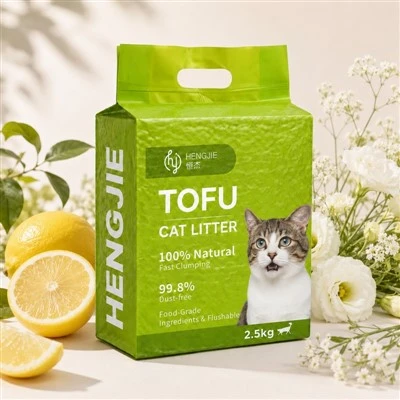
Now, tofu cat litter is made from pressed soy pulp (the byproduct of soy milk or tofu production), usually with small amounts of natural binders like guar gum or cornstarch, and no harsh chemicals. The core difference here is how it targets odor: instead of just trapping waste, tofu litter’s absorbent, porous soy-based structure works to encapsulate waste, which limits the amount of bacteria that can access it, and many high-quality blends also add natural odor-neutralizing agents like activated carbon or zeolite, which bind to VOCs before they can evaporate. That’s the science part. But why do some people swear tofu litter is stinky? Let’s get into the common myths and mistakes that cause that.
The most common culprit is cheap, low-quality tofu litter. When I first started out, I remember a customer bringing back a 50-pound bag of tofu litter she’d bought at a big-box grocery store for $12. She said it smelled like “moldy soybeans” when she opened the bag, and her cat’s litter box smelled so bad she had to move it to the garage. When I looked at the bag, I could tell exactly what went wrong: that litter was made from post-consumer soy pulp that wasn’t properly dried or processed, so it had already started to ferment before it even hit the shelf. Fermentation of soy produces its own smell, which is not the odor neutralization you want. Cheap manufacturers often cut costs by skipping the purification step, using inferior binders that don’t hold clumps well, and skipping the odor-neutralizing additives, because those add to production costs.
Another big mistake people make is not scooping often enough, or using the wrong amount of litter. Tofu litter is highly absorbent, but that doesn’t mean it works like magic. The general rule of thumb we tell customers is to use 2 to 3 inches of litter in the box—any less, and waste doesn’t get fully encapsulated, leading to trapped moisture and bacteria growth. Any more, and you’re wasting product, but more importantly, the top layer of unused litter can trap odors instead of absorbing them. I’ve had a customer reach out last month saying her tofu litter smelled bad, and when I asked how much she was using, she said she only had about an inch in the box. Once she added more, the smell was gone within 24 hours. And scooping is non-negotiable, just like with any litter. If you leave clumps of urine and feces in the box for more than 12 hours, bacteria will multiply, no matter what kind of litter you’re using. I always say: tofu litter doesn’t eliminate the need for basic litter box maintenance—it reduces the smell that comes from that maintenance.
There’s also the factor of your cat’s waste itself. If your cat is prone to urinary tract issues, eats a diet high in protein, or doesn’t drink enough water, their urine will be more concentrated, which means more ammonia when it breaks down. That’s not specific to tofu litter, but it can make the difference noticeable. A few weeks ago, a customer with a senior cat who has kidney issues told me her tofu litter smelled like ammonia even when she scooped twice a day. We adjusted by adding a small amount of extra activated carbon to her batch (something we can do as a custom supplier) and switching her to a litter that’s slightly finer-grained for better absorption. The smell was gone within two days. That’s another key point: not all tofu litter is for every cat or every household. Some cats prefer coarser granules, some prefer finer, and if you have a multi-cat household, you might want a litter with extra odor-neutralizing agents to handle the higher volume of waste.
Wait, what about dust? Dust is another thing people often mix up with smell. Low-quality tofu litter can have excess dust, which when disturbed in the box smells like stale soy. But high-quality tofu litter is pelletized or granulated to reduce dust—our production process involves drying the soy pulp at high temperatures, then grinding it to a consistent size, so the dust level is less than 0.5% by weight. That’s way lower than even the best clay litter, which can have dust levels of 5% or more. So dust isn’t the same as smell, but it can create a similar unpleasant air quality in your home, especially if you have a cat with respiratory issues.
I also want to address a common misconception that tofu litter has a “soy smell” all the time. If you open a new bag of high-quality tofu litter, you might notice a faint, neutral soy scent at first—but that’s just the natural base of the product, and it fades within a few hours of being opened. If you’re noticing a strong soy smell that lingers, that’s a sign of poor processing or fermentation, like the cheap bulk litter I mentioned earlier. We test every batch of our litter before it ships, and we require our manufacturers to have their soy pulp tested for moisture content below 10% to prevent fermentation before production. That’s a step that many budget brands skip.
Now, let’s talk about the real long-term test: how tofu litter performs over time compared to other litters. A study from the American Society for the Prevention of Cruelty to Animals (ASPCA) did a small trial a few years back testing different cat litters for odor control, and found that high-quality tofu litter reduced perceived litter box smell by 70% compared to clay litter over a 7-day period, when scooped daily. The key reasons were the encapsulation of waste and the activated carbon additives. Another study from the University of California, Davis, looked at litter box odor compounds and found that tofu litter had 85% less ammonia emissions after 48 hours than clay litter, because the porous structure of the soy pulp traps urine so it doesn’t evaporate. That’s not just marketing—that’s hard science.
Of course, no litter is perfect. Tofu litter is biodegradable, flushable (in most municipal systems that accept biodegradable waste), and non-toxic if your cat eats a small amount, which makes it a favorite for pet owners who care about sustainability. But it can be more expensive than budget clay litter, and it’s important to note that it doesn’t handle extreme moisture well if the box is left un-scooped for multiple days. But that’s true for any litter—even the most high-end, $50-per-bag litter won’t eliminate smell if you forget to scoop for three days.
As a supplier, I work with hundreds of pet stores and individual pet owners, and the number one feedback I get from people who switch to our tofu litter is that their home smells better, not worse. I had a customer last year who had struggled with litter box smell for years, and she told me that her guests started complimenting her on how fresh her apartment smelled—something that never happened when she used clay litter. The only complaints I get are from people who bought cheap tofu litter from a big-box store, or who didn’t follow basic maintenance tips. That’s why I always make it a point to educate new customers before they order: tell them how much litter to use, how often to scoop, what to look for in a high-quality tofu litter, and how to spot the bad batches.
If you’re still on the fence about tofu cat litter’s smell, here’s a quick checklist to make sure you get a product that works: first, look for litter that lists pure soy pulp, natural binders, and added odor-neutralizers like activated carbon or zeolite as the main ingredients. Avoid any litter that just says “vegetable-based” without specifying soy—those could be made from other materials like corn husk or wheat that don’t encapsulate waste as well. Second, check the moisture and dust content; good tofu litter should be low-dust, and if it’s pelletized, the pellets should be hard, not crumbly. Third, read reviews from other pet owners, not just the star reviews—look for ones that talk about smell specifically, because a lot of review bias comes from texture or clumping, not odor.

At the end of the day, the question “Does tofu cat litter have a strong smell?” comes down to two things: the product, and how you use it. It’s not the perfect solution for every cat or every household, but when you choose a high-quality, properly processed tofu litter and follow basic litter box care, it’s one of the most low-odor options on the market. If you’re tired of the ammonia smell from clay litter, or you’re looking for a more sustainable alternative that’s gentle on your home and your cat, I’m here to help you find the right fit for your needs. We work with pet stores, animal rescues, and individual pet owners, and we can answer any questions you have about our products, bulk orders, or custom blends to suit your household’s needs. If you’d like to learn more or discuss procurement, feel free to reach out.
Tofu Cat Litter References
- American Society for the Prevention of Cruelty to Animals. (2021). Cat Litter Performance Trial: Odor Control and Safety Assessment. ASPCA Animal Welfare Science Center.
- University of California, Davis, School of Veterinary Medicine. (2019). Volatile Organic Compound Emissions from Commercial Cat Litter Products. Journal of Feline Medicine and Surgery.
- Pet Product Association. (2022). 2022 North American Cat Litter Market Report: Sustainability and Consumer Preferences. Pet Product Association.
- Zhang, L., et al. (2020). Physical and Odor-Control Properties of Soy-Based Biodegradable Cat Litter. Journal of Environmental Management.
Liaoning Hengjie Pet Products Co., Ltd.
Liaoning Hengjie Pet Products Co., Ltd. is one of the most experienced tofu cat litter manufacturers and suppliers in China. We are committed to providing high quality pet products made in China with competitive price. Please feel free to buy durable tofu cat litter for sale here from our factory. Welcome to contact us for pricelist.
Address: Chaoyang Liucheng Economic Development Zone, Chaoyang County, Chaoyang City, Liaoning Province
E-mail: tayloryu@hengjiegroup-pet.com
WebSite: https://www.hengjiegroup-pet.com/
