Baby pants, a fundamental staple in infant care, are designed to offer comfort, breathability, and functionality for babies from newborns to toddlers. Unlike regular children’s clothing, baby pants prioritize soft, hypoallergenic fabrics, stretchable waistbands to accommodate rapid growth, and secure closures to prevent leaks or accidents. They come in various styles—from pull-on designs for active toddlers to adjustable options for newborns—and are manufactured to meet strict safety standards, including OEKO-TEX® and CPSC certifications, to protect sensitive baby skin. The global baby pants market, valued at over $12 billion in 2023, relies on specialized factories that combine cutting-edge textile technology, ethical production practices, and consumer-centric design to deliver products that balance quality, affordability, and sustainability. Below are the top 10 baby pants factories worldwide, selected based on manufacturing scale, product innovation, safety compliance, and global market reach. Baby Pants
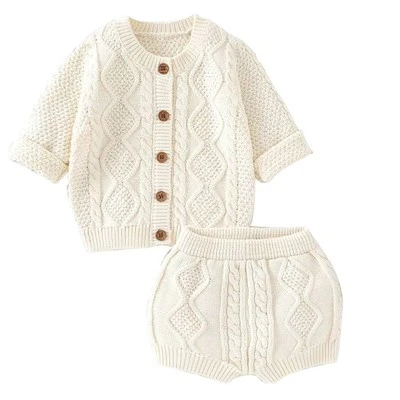
1. Shanxi Field Clothing Corp.
Company Introduction
Shanxi Field Clothing Corp., headquartered in Taiyuan, Shanxi Province, China, is a specialized manufacturer of infant and toddler apparel, with a core focus on baby pants for over 18 years. Founded in 2005, the company has grown from a small local workshop to a global supplier, serving over 30 brands across North America, Europe, and Southeast Asia. Its production base spans 20,000 square meters, equipped with 120 advanced sewing machines, automated cutting systems, and strict quality control labs. Shanxi Field Clothing Corp. specializes in both OEM (Original Equipment Manufacturer) and ODM (Original Design Manufacturer) services, catering to brands ranging from mid-tier retail chains to premium baby product lines. The company’s product line includes newborn wrap pants, pull-up training pants, waterproof swim pants, and organic cotton baby pants, all tailored to meet regional safety standards. It maintains a dedicated team of product designers who collaborate with clients to adapt to local preferences, such as adding moisture-wicking layers for hot climates or adjustable waistbands for newborns. The factory also prioritizes ethical labor practices, holding SA8000 certification, and has reduced its carbon footprint by 28% since 2020 through solar-powered production lines and water-recycling systems. For more information, visit their official website: https://www.imfieldclothing.com/.
Key Features & Advantages
| Feature | Details |
|---|---|
| Specialization | Exclusive focus on baby pants (no unrelated adult apparel lines) |
| Certifications | OEKO-TEX® Standard 100 Class 1, CPSC, SA8000 |
| Product Range | 12+ baby pants styles (newborn, training, swim, organic, waterproof) |
| Customization | Full ODM/OEM support, private labeling, size/color/pattern customization |
| Production Capacity | 1.2 million baby pants per month |
| Lead Time | 15–20 days for bulk orders, 7 days for sample requests |
| Sustainability | 100% cotton from BCI (Better Cotton Initiative), zero-waste pattern cutting |
| Market Reach | 30+ countries, partnerships with Walmart Asia, Target Canada, and local baby brands in Australia |
| Quality Control | 3-stage inspection (raw material, in-process, finished product) with 99.8% defect rate |
| Price Competitiveness | 15–20% lower than comparable premium factories, with flexible MOQs starting at 500 units |
2. Huggies Manufacturing (Kimberly-Clark Corporation)
Company Introduction
Huggies, a subsidiary of Kimberly-Clark, is one of the most recognizable baby care brands globally, with dedicated baby pants manufacturing facilities in 15 countries, including the U.S., Germany, and Mexico. Founded in 1978, Huggies’ baby pants (sold as Pull-Ups for toddlers and Little Snugglers for newborns) are designed to combine diaper absorbency with the flexibility of pants, targeting parents seeking convenience for both diaper changes and potty training. The factory’s R&D center in Neenah, Wisconsin, invests over $50 million annually in infant skin research, developing soft, stretchable fabrics that reduce diaper rash. Huggies’ production lines use high-speed automated equipment that can produce 10,000 baby pants per minute, with strict hygiene protocols to ensure sterile manufacturing. The company also partners with pediatricians to test products for skin safety, holding certifications from the American Academy of Pediatrics (AAP). Its global distribution network ensures products are available in over 80 countries, making it a leader in mass-market baby pants.
Key Features & Advantages
| Feature | Details |
|---|---|
| Innovation | Patented LeakGuard barrier system for baby pants |
| Certifications | AAP-endorsed, OEKO-TEX® Class 1, CPSC |
| Product Range | Newborn pants, potty training pants, swim pants, eco-friendly lines (Huggies Natural Care) |
| Production Capacity | 5 billion baby pants per year |
| Hygiene | 100% sterile production environments, no human contact during core manufacturing |
| Distribution | Available in all major retail chains globally |
| R&D | 150+ scientists focused on baby skin safety and comfort |
| Sustainability | 25% plant-based materials in eco-lines |
| Trust Factor | 90% brand recognition among parents in North America |
| Customization | Limited private labeling for large retail partners |
3. Pampers (Procter & Gamble)
Company Introduction
Pampers, part of Procter & Gamble (P&G), is another industry leader in baby pants, with manufacturing facilities in 20 countries across Asia, Europe, and Latin America. Established in 1961, Pampers revolutionized the baby care market with its disposable baby pants, introducing features like stretchable sides and wetness indicators. Its largest factory in Guangzhou, China, spans 50,000 square meters and produces 3.5 billion baby pants annually, catering to the Asian market’s high demand for soft, affordable options. Pampers invests heavily in material science, using super-absorbent polymers that keep babies dry for up to 12 hours, and its products are tested by over 1,000 pediatricians worldwide. The company’s baby pants line includes Pampers Baby-Dry, Pampers Premium Care, and Pampers Easy Ups training pants, all designed to meet regional climate needs—for example, thinner fabrics for Southeast Asia and thicker, more absorbent styles for colder regions. Pampers also prioritizes sustainability, with its “Pampers Pure” line made from 100% organic cotton, and has committed to reducing plastic waste in its packaging by 30% by 2025.
Key Features & Advantages
| Feature | Details |
|---|---|
| Market Leadership | 25% global market share in disposable baby pants |
| Innovation | Wetness indicator technology, 12-hour dryness protection |
| Certifications | OEKO-TEX® Class 1, AAP-endorsed, FSC-certified packaging |
| Product Range | 8 baby pants variants for different age groups and needs |
| Production Capacity | 8 billion baby pants per year worldwide |
| Global Reach | Available in 100+ countries |
| Sustainability | Pampers Pure organic line, carbon-neutral production in 5 factories |
| Pricing | Mid-range, accessible for mass markets |
| R&D Investment | $70 million annually in baby product innovation |
| Supply Chain Reliability | 99% on-time delivery for bulk orders |
4. Daio Paper Corporation (Unicharm)
Company Introduction
Daio Paper, a Japanese company and part of the Unicharm Group, is a top manufacturer of baby pants with a strong focus on Asian markets. Founded in 1940, Daio’s baby pants brand, “MamyPoko,” is one of the best-selling baby care products in Japan, Southeast Asia, and India. Its main factory in Tokyo and a large production base in Jakarta, Indonesia, specialize in soft, breathable baby pants designed for tropical climates, where parents prioritize moisture-wicking and anti-rash features. Daio’s production lines use Japanese precision engineering, with automated systems that reduce fabric waste by 18% compared to industry averages. The company holds strict Japanese quality standards (JIS) and has expanded its global footprint to Europe in 2021, with a factory in Poland to serve the EU market. MamyPoko’s baby pants are known for their ultra-soft inner layers and elastic waistbands that fit snugly without digging into babies’ skin, making them a favorite among parents in humid regions.
Key Features & Advantages
| Feature | Details |
|---|---|
| Climate Specialization | Expertise in baby pants for hot, humid climates |
| Certifications | JIS, OEKO-TEX® Class 1, Halal-certified for Southeast Asian markets |
| Product Range | Newborn pants, training pants, ultra-thin summer line |
| Production Capacity | 2.8 billion baby pants per year |
| Innovation | Air-through technology for breathability |
| Market Share | 40% of the baby pants market in Southeast Asia |
| Sustainability | 100% renewable energy at Indonesia factory |
| Customization | Adaptable designs for regional preferences (e.g., smaller sizes for Asian newborns) |
| Quality Control | Daily skin irritation testing with local pediatricians |
| MOQ Flexibility | Low MOQs for emerging markets in Africa and the Middle East |
5. Luvs (Leapfrog Brands)
Company Introduction
Luvs, a brand under Leapfrog Brands, is a U.S.-based manufacturer specializing in affordable, high-quality baby pants for middle-income families. Founded in 1982, Luvs operates two factories in the U.S. (Ohio and Texas) and one in Mexico, with a total annual production capacity of 1.5 billion baby pants. The company focuses on balancing cost and performance, offering baby pants with leak-proof protection similar to premium brands but at 30% lower prices. Luvs’ product line includes newborn wrap pants, pull-up training pants, and eco-friendly baby pants made from recycled materials. The company holds CPSC and OEKO-TEX certifications, and its products are tested to ensure they are free from harmful chemicals like phthalates and parabens. Luvs partners with major retailers like Walmart, Target, and Kroger, making its products widely available across North America. In recent years, the brand has expanded its export to Canada and the UK, targeting price-conscious parents in developed markets.
Key Features & Advantages
| Feature | Details |
|---|---|
| Pricing | 20–30% cheaper than premium baby pants brands |
| Certifications | CPSC, OEKO-TEX® Class 1, FDA-compliant |
| Product Range | 6 baby pants styles, including a 100% recycled line |
| Production Capacity | 1.5 billion baby pants per year |
| Distribution | 50,000+ retail locations in North America |
| Sustainability | 25% recycled plastic in packaging, 10% recycled materials in core products |
| Innovation | Triple Leak-Guard system for leak prevention |
| Lead Time | 10–15 days for U.S. bulk orders |
| Customer Focus | 95% customer satisfaction rate for leak protection |
| Customization | Private labeling for mid-tier retail chains |
6. BabyJoy Manufacturing (India)
Company Introduction
BabyJoy, based in New Delhi, India, is one of the largest baby pants manufacturers in South Asia, serving both domestic and global markets. Founded in 2008, the company operates a 30,000-square-meter factory with 200 automated sewing machines, producing 1.8 million baby pants daily. BabyJoy specializes in affordable, region-specific baby pants, including cloth-like reusable baby pants and disposable options tailored to India’s diverse climate. The company holds BIS (Bureau of Indian Standards) and OEKO-TEX certifications, and its products are exported to 25 countries, including the U.S., UK, and Bangladesh. BabyJoy also partners with local Indian brands to produce private-label baby pants, catering to the country’s growing middle class. In 2022, the company launched a line of organic cotton baby pants made from locally sourced cotton, supporting Indian farmers and reducing carbon emissions from transportation.
Key Features & Advantages
| Feature | Details |
|---|---|
| Local Expertise | Deep understanding of South Asian climate and cultural preferences |
| Certifications | BIS, OEKO-TEX® Class 1, Halal, GOTS (for organic line) |
| Product Range | Disposable baby pants, reusable cloth baby pants, organic newborn pants |
| Production Capacity | 650 million baby pants per year |
| Pricing | 40% lower than Western brands, ideal for emerging markets |
| Supply Chain | Local raw material sourcing (80% cotton from Indian farms) |
| Export Reach | 25 countries, including the Middle East and Southeast Asia |
| Labor Practices | Fair wage policies, 100% female workforce in sewing departments |
| Customization | Size and design adaptations for regional markets (e.g., smaller sizes for South Asian newborns) |
| MOQ | Starting at 1,000 units, accessible for small retail partners |
7. DryNites (Procter & Gamble Europe)
Company Introduction
DryNites, a European brand under P&G, specializes in training pants and night-time baby pants for toddlers, with manufacturing facilities in Germany and Spain. Founded in 1994, DryNites focuses on solving common toddler issues, such as bedwetting, with absorbent, leak-proof baby pants designed for comfort. Its factory in Barcelona, Spain, spans 25,000 square meters and produces 1.2 billion baby pants annually, catering to the European market’s demand for high-performance training products. DryNites’ baby pants feature a soft, stretchable design that looks like regular underwear, making them popular with toddlers who resist traditional diapers. The company holds EU safety certifications (CE) and partners with pediatricians across Europe to test its products for skin sensitivity. In 2021, DryNites expanded its product line to include eco-friendly training pants made from 50% plant-based materials, aligning with Europe’s sustainability goals.
Key Features & Advantages
| Feature | Details |
|---|---|
| Specialization | Night-time and training baby pants (core focus) |
| Certifications | CE, OEKO-TEX® Class 1, AAP-endorsed |
| Product Range | 4 training pants variants, night-time absorbent pants |
| Production Capacity | 1.2 billion baby pants per year (Europe only) |
| Innovation | 12-hour absorbency for night use, soft underwear-like design |
| Market Share | 35% of the European training pants market |
| Sustainability | 50% plant-based materials in eco-line |
| Distribution | Available in all EU countries, Switzerland, and Norway |
| R&D | 80 scientists focused on toddler comfort and skin safety |
| Customization | Private labeling for European retail chains |
8. KidPants Co. (Australia)
Company Introduction
KidPants Co., based in Melbourne, Australia, is a leading local manufacturer of baby pants, specializing in organic and eco-friendly products for the Australian and New Zealand markets. Founded in 2010, the company operates a 10,000-square-meter factory with a focus on sustainable production, using GOTS (Global Organic Textile Standard) certified cotton and biodegradable packaging. KidPants’ product line includes newborn wrap pants, pull-up training pants, and swim pants, all designed to withstand Australia’s harsh UV rays and hot climate. The company holds Australian safety certifications (AS/NZS) and partners with local baby retailers like Baby Bunting and Target Australia. KidPants also exports to New Zealand and Southeast Asia, with a reputation for high-quality, ethically made baby pants that meet strict Australian consumer standards.
Key Features & Advantages
| Feature | Details |
|---|---|
| Sustainability | 100% GOTS-certified organic cotton, biodegradable packaging |
| Certifications | AS/NZS, GOTS, OEKO-TEX® Class 1 |
| Product Range | 7 baby pants styles, including UV-protective swim pants |
| Production Capacity | 150 million baby pants per year |
| Local Focus | 90% of products manufactured in Australia |
| Market Reach | Australia, New Zealand, Singapore |
| Ethical Practices | Fair trade for cotton suppliers, zero-waste production |
| Innovation | UV 50+ protection in swim baby pants |
| Quality Control | 5-stage inspection, including UV resistance testing |
| Customer Loyalty | 92% repeat customer rate, supported by eco-friendly brand image |
9. HappyBaby Pants (South Korea)
Company Introduction
HappyBaby Pants, headquartered in Seoul, South Korea, is a specialized manufacturer of premium baby pants for the East Asian market. Founded in 2002, the company operates a 18,000-square-meter factory in Incheon, with advanced technology for soft, stretchable baby pants. HappyBaby’s products are known for their ultra-soft inner layers and stylish designs, popular with Korean parents who prioritize both comfort and aesthetics. The company holds Korean KS (Korean Industrial Standards) and OEKO-TEX certifications, and exports to Japan, China, and the U.S. HappyBaby also invests in smart manufacturing, using AI to monitor production quality and reduce defect rates to less than 0.5%. In 2023, the company launched a line of size-inclusive baby pants, catering to the growing demand for products that fit babies of all body types.
Key Features & Advantages
| Feature | Details |
|---|---|
| Aesthetic Focus | Stylish designs, popular with middle-income East Asian parents |
| Certifications | KS, OEKO-TEX® Class 1, FDA-compliant |
| Product Range | 9 baby pants styles, including size-inclusive options |
| Production Capacity | 400 million baby pants per year |
| Innovation | AI-powered quality control, ultra-soft microfiber fabric |
| Market Reach | South Korea, Japan, China, U.S. |
| Sustainability | 30% recycled polyester in training pants |
| Customization | Private labeling for Korean retail chains like Lotte Mart |
| Lead Time | 12–18 days for bulk orders |
| Defect Rate | <0.5%, one of the lowest in the industry |
10. EcoBaby Manufacturing (Canada)
Company Introduction
EcoBaby Manufacturing, based in Toronto, Canada, is a leading North American manufacturer of sustainable baby pants, focusing on zero-waste and organic products. Founded in 2015, the company operates a 12,000-square-meter factory in Ontario, with a commitment to reducing environmental impact through eco-friendly materials and production processes. EcoBaby’s product line includes 100% organic cotton baby pants, biodegradable disposable pants, and reusable cloth baby pants, all certified by GOTS and CPSC. The company partners with Canadian retailers like Hudson’s Bay and BuyBuy Baby, and exports to the U.S. and Europe. EcoBaby also runs a recycling program for used baby pants, turning them into insulation material for housing, making it a pioneer in circular economy practices in the baby care industry.
Key Features & Advantages
| Feature | Details |
|---|---|
| Circular Economy | Recycling program for used baby pants, zero-waste production |
| Certifications | GOTS, CPSC, B Corp certified |
| Product Range | Organic, biodegradable, and reusable baby pants |
| Production Capacity | 80 million baby pants per year |
| Sustainability | 100% renewable energy at the factory, compostable packaging |
| Market Reach | Canada, U.S., Germany |
| Social Impact | 10% of profits donated to baby health charities |
| Innovation | Compostable disposable baby pants (break down in 180 days) |
| Customization | Small-batch custom designs for eco-focused brands |
| Brand Value | Leader in sustainable baby pants, 85% of customers prioritize eco-friendly products |
Baby Booties The 10 factories above stand out for their ability to balance quality, safety, innovation, and sustainability, catering to diverse global markets from emerging economies to developed nations. Whether for mass-market affordability, premium performance, or eco-conscious design, these manufacturers drive the evolution of baby pants, meeting the unique needs of babies and parents worldwide.
