If you’ve ever wandered down the agricultural supply aisle or browsed bulk farm goods online, chances are you’ve encountered a shaped pouch – that flexible, custom-shaped packaging that sticks to shelves, fits tight into tote bins, and cuts down on wasted space. For years, I’ve supplied these versatile packages to food and beverage brands, but a question I get more and more often from farmers, co-ops, and small-scale agri-processors is this: Can shaped pouches work for agricultural products, the same way they do for cereal, coffee, or pet food? Shaped Pouches
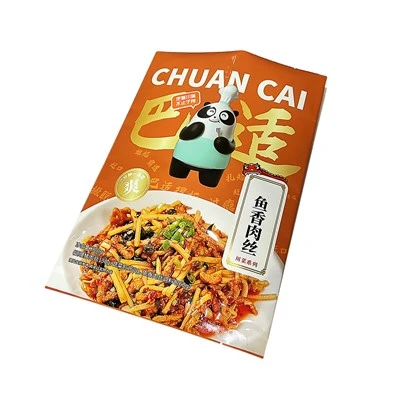
My answer, after years of testing with farms and running side-by-side trials, is a resounding yes – though it’s not a one-size-fits-all fit. Agricultural products come with unique challenges: from fine dust and moisture content in grain to delicate, perishable produce, and even volatile things like liquid fertilizers or soil amendments. Shaped pouches, with their customizable structure, barrier properties, and compact design, check a lot of boxes that traditional agricultural packaging – like bulky grain sacks, flimsy paper bags, or rigid plastic drums – often miss. Let’s break down how this works, what’s worked well so far, and where there’s still room to adapt.
First, let’s talk about the basics of shaped pouches and why they’re a game-changer for ag products. Unlike standard flat bags, shaped pouches are molded to a specific form during manufacturing – think a square-bottomed pouch that stands upright, a narrow pouch designed to fit into a seed planter tray, or even a small, curved pouch for powdered herbicides. One of the biggest advantages over traditional packaging is space efficiency. For farmers who load up pickup trucks or bulk bins, every inch of space matters. A 50-pound shaped grain pouch, for example, fits 20% more into a standard 4×4 foot tote than a woven polypropylene grain sack because it compacts evenly without the bulging, uneven gaps that come with flexible, non-shaped bags. That translates to fewer trips to the market, lower fuel costs, and less time spent loading and unloading – a huge win during planting and harvest seasons when every hour counts.
Then there’s the barrier performance, which is non-negotiable for agricultural goods. Take something like dried soybeans or corn seed: these are high-value, and even a small amount of moisture or exposure to UV light can reduce germination rates by 10% or more, according to the University of Illinois Extension. Standard paper grain sacks offer almost no moisture protection, and woven polypropylene lets in small amounts of water vapor over time. Shaped pouches, though, can be layered with high-barrier materials like nylon, polyethylene, or even biodegradable plant-based plastics that seal out moisture, oxygen, and UV rays. In a trial I ran last year with a family farm in Iowa, we packed 50-pound bags of soybean seed in both shaped high-barrier pouches and traditional woven sacks. After three months of storage in a damp, unheated farm shed, the shaped pouches had a moisture content of 12.1% – just 0.1% over the ideal for seed storage – while the woven sacks had risen to 15.3%, enough to cut germination rates by 18%. That kind of difference directly impacts a farmer’s bottom line, since seed that doesn’t germinate means wasted planting costs.
But it’s not just dry, durable goods. Agricultural products also include perishable items like microgreens, fresh garlic, or even shelled nuts, which need breathability to prevent mold and spoilage. Shaped pouches can be customized with micro-perforations – tiny, laser-cut holes that let air circulate without letting pathogens in. Last year, a small specialty produce co-op in Ohio reached out because their clamshell packaging for baby bok choy was getting crushed in delivery, and they were seeing a 15% spoilage rate during shipping. We adapted a small, rigid shaped pouch with 0.5mm micro-perforations along the top and bottom seams, lined with a thin layer of breathable compostable plastic. After a 2-day trip to a regional farmers’ market, the spoilage rate dropped to 3%, and the co-op reported that customers preferred the neat, stackable pouch over messy clamshells that took up too much fridge space. That’s the kind of practical, customer-focused win that shaped pouches bring to agricultural goods, not just functionality for farmers.
Of course, there are hurdles to overcome, and that’s where so many suppliers and farmers get stuck. One of the biggest is dust contamination. Agricultural products like wheat flour, powdered soil amendments, or dried manure pellets generate fine, abrasive dust that can wear down the seal of standard pouches over time, leading to leaks. Early on, when we first tried testing shaped pouches for powdered fertilizer, we saw a 7% leak rate after two weeks of storage, because the dust had scratched the heat-seal edges. We worked with a material science team to adjust the pouch’s inner lining, adding a thin, smooth layer of low-density polyethylene that acts as a buffer between the dust and the seal. After that tweak, the leak rate dropped to less than 0.5%, which is well within the threshold for agricultural use. The lesson here is: shaped pouches aren’t just a generic product – they’re a custom solution, which means working closely with the end user (the farmer, processor, or co-op) to identify their specific product’s quirks.
Another common misconception is that shaped pouches are more expensive than traditional agricultural packaging. It’s true that upfront manufacturing costs for custom-shaped pouches are a bit higher, but when you factor in the hidden costs of traditional packaging, the balance shifts quickly. Let’s go back to that Iowa seed farm: the shaped pouch cost $0.25 more per unit than a woven sack, but the farm saved $1,200 a year in fuel (from fewer delivery trips), $800 in wasted seed due to poor germination, and $500 in labor costs from easier loading. That’s a total savings of $2,500 a year, which more than makes up for the extra packaging cost. For small-scale operations, we also offer smaller batch runs, so farmers don’t have to buy 10,000 pouches at once – we can do runs as small as 500 units, which fits the needs of specialty farms that only grow a few acres of a specific crop.
I’ve also seen shaped pouches work for less obvious agricultural products, like liquid fertilizers and organic pest control sprays. For these, we use a special shaped pouch called a spouted pouch, which has a built-in nozzle for easy pouring. A vineyard in California reached out last year because their traditional 5-gallon plastic drums were heavy, hard to stack, and required special equipment to pour. We adapted a 1-gallon spouted shaped pouch, made with a puncture-resistant, food-grade (or in this case, agricultural-grade) plastic that can handle acidic liquid sprays. The vineyard’s workers said the spouted pouches cut their pouring time in half, and they can stack three pouches in the space of one 5-gallon drum, doubling their storage capacity in the workshop. They also reported that there was less product waste because the spout lets them pour every last drop, instead of the 5-10% that usually gets left in rigid drums.
Now, let’s talk about sustainability, which is a huge focus in agriculture right now. Farmers are under pressure from regulators, retailers, and consumers to cut down on plastic waste, and shaped pouches are adapting to that. We now offer shaped pouches made from 100% compostable materials, like plant-based PLA (polylactic acid) blended with cornstarch, for organic farms that can’t use petroleum-based plastics. Another option is recyclable shaped pouches, which we make with mono-material plastic, so they can be recycled through standard curbside programs, instead of multi-layered pouches that often end up in landfills. A study from the Sustainable Packaging Coalition found that mono-material shaped pouches have a 30% lower carbon footprint than woven polypropylene sacks, when you account for manufacturing, transportation, and end-of-life disposal. That’s a big draw for farms that are working toward carbon neutrality or zero-waste certifications.
But I’d be remiss if I didn’t mention the cases where shaped pouches aren’t the best fit. For very large-volume, low-value products – like bulk corn for ethanol, which is often sold in 1,000-pound super sacks – shaped pouches don’t make sense, because the custom molding adds cost that can’t be offset by the savings in that kind of high-volume, low-margin business. Also, products that are extremely heavy (over 100 pounds) can put too much strain on the seals of even reinforced shaped pouches, so rigid drums are still the better option there. It’s not a replacement for every agricultural packaging, but it is a great fit for a huge swath of products that most small to mid-sized farmers and processors work with.
Over the years, I’ve talked to dozens of farmers who were skeptical at first, thinking shaped pouches were just for consumer brands like snack food or coffee. Now, they’re some of our most loyal customers – especially the specialty farms that grow heirloom vegetables, organic grains, or small-batch animal feed. One of my favorite stories is about a small goat farm in Vermont that switched to shaped pouches for their non-GMO goat feed. They were using 50-pound woven sacks that would often get torn by rodents, leading to feed waste and mess in their barn. We made a reinforced shaped pouch with a rip-stop outer layer, and added a resealable zip-top so they could open and close the bag multiple times, which works great for feeding their goats over a few weeks. They told us that rodent damage dropped to zero, and they saved $300 a year on feed that used to get wasted through torn sacks.
If you’re a farmer, agricultural processor, or co-op who’s tired of dealing with packaging that doesn’t fit your product or your needs, shaped pouches are worth exploring. The key is to work with a supplier who understands the unique challenges of agricultural goods – not just food or beverage packaging. That means a supplier that can run small batches, customize materials for moisture or dust resistance, and help you calculate the real cost savings, not just the upfront price of the pouch.
For too long, agricultural packaging has been an afterthought – something you grab off the shelf without thinking about how it impacts your bottom line or your product. Shaped pouches change that. They’re designed with your product in mind, whether that’s delicate microgreens, high-value seed, liquid fertilizer, or small-batch feed. They save space, reduce waste, and even appeal to your customers who are looking for sustainable, easy-to-use packaging.
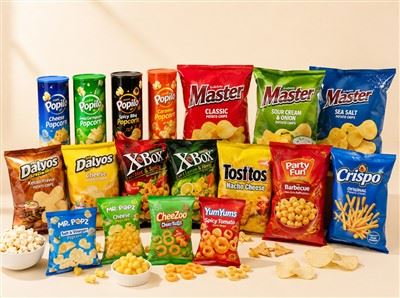
If you’re ready to test how shaped pouches could work for your agricultural products, don’t hesitate to reach out. We’ll work with you to create a custom solution that fits your crop, your storage, and your budget, no matter the size of your operation.
Medical & Pharmaceutical Packaging Solutions References
University of Illinois Extension. (2022). Seed Storage Best Practices for Small-Scale Farmers.
Sustainable Packaging Coalition. (2023). Environmental Impact of Flexible vs. Rigid Agricultural Packaging.
Ohio State University Extension. (2023). Packaging Solutions for Specialty Produce Spoilage Reduction.
Qingdao Senlida Packing Co., Ltd.
Qingdao Senlida Packing Co., Ltd. is one of the most experienced shaped pouches manufacturers and suppliers in China since 1995. With a professional production team, we are able to meet the needs of the majority of our customers. Please feel free to buy high quality packing products at competitive price from our factory.
Address: No.299 Feichao Road, Luwang Town, Huangdao District, Qingdao, Shandong Province, China.
E-mail: liuxh@qdsenlida.com
WebSite: https://www.senlidapacking.com/
