If you’re reading this, chances are you work with metal expansion joints—you know, those unsung heroes in pipelines, HVAC systems, power plants, and industrial facilities that take the heat, the vibration, and the movement so the rest of your setup doesn’t have to. As a metal expansion joints supplier, I’ve seen it all: joints covered in crusted-on debris, corroded from years of neglect, even clogged so bad they can’t flex when they need to. A lot of folks think cleaning these parts is just a quick wipe-down, but skip the right steps, and you’re looking at costly downtime, leaks, or even a joint failing mid-project. Today I’m breaking down exactly how to clean metal expansion joints properly, no shortcuts, no guesswork. Metal Expansion Joints
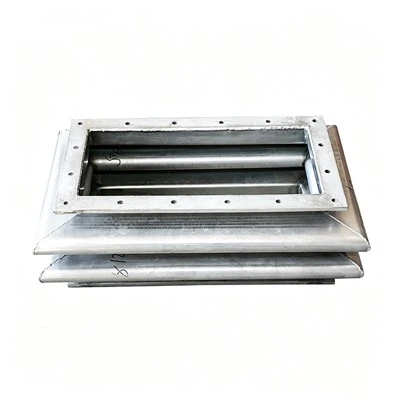
First, let’s get one thing straight: not all expansion joints are the same. Whether you’ve got a corrugated metal one (our most common type for thermal expansion), a universal ball joint, or a gimbal-style set, the cleaning method will shift a little. But the core rules stay the same. Before we dive in, you need to nail the prep work—this is the part most people skip, and it’s why half the cleaning jobs go wrong.
Stop and assess the joint first. You can’t grab a pressure washer and blast away without knowing what you’re dealing with. Is the debris just dust and loose grime from construction? Or is it caked-on scale from water, chemical residue, or even rust? There’s also internal vs. external cleaning—don’t mix those up. External is the outer corrugations, flanges, and mounting parts; internal is the inside of the bellows, which is where a lot of buildup hides and causes issues. Last year, a power plant customer told me their joint leaked during a routine shutdown, and when we pulled it, the inside was clogged with boiler scale that had built up over two years. That’s avoidable if you clean both sides regularly.
Prep step one: shut down the system. I can’t stress this enough. Never clean a joint while the line’s pressurized or hot. Let it cool completely—for steam lines, that could mean 24 hours or more, depending on how big the system is. Then, lock out/tag out the valves so no one accidentally turns the line on while you’re working. No exceptions here. I’ve seen a tech get burned bad because he skipped this step on a 400°F steam line. Not worth it.
Prep step two: remove the joint if needed. Smaller, low-pressure joints might be fine to clean in place, but larger ones (like 12-inch or bigger for pipelines) almost always come out easier. We supply joints in all sizes, and when we help a customer replace one, we always mention whether to clean the old one or just swap it—sometimes a quick clean is worth saving, other times a new joint is cheaper than fixing a corroded old one. If you do remove it, label the flanges so you can put it back the right way. Bellows have a direction (the corrugations bend a certain way for movement), so mixing that up leads to early failure.
Now, let’s talk about external cleaning first, since that’s what most folks start with. For light buildup—dust, loose construction debris, or mild grime—warm water and a soft bristle brush work perfect. No need for harsh chemicals here. Scrub gently around the flanges, the outer bellows, and any mounting bolts. If there’s stubborn grime, add a little mild dish soap or a pH-neutral cleaner (avoid anything acidic—acid eats away at metal, especially stainless steel, which is what most of our joints are made of). A word from a supplier here: acid cleaners might cut through rust, but they’ll also etch the bellows’ surface, making it more prone to future corrosion. I’ve seen joints that were cleaned with muriatic acid look shiny for a month, then start pitting within a year. Not worth the tradeoff.
If you’re dealing with thicker, caked-on stuff—like scale from water lines, oil residue, or dried chemical coatings—you need something a little stronger, but still safe for metal. We recommend a non-abrasive, alkaline-based industrial cleaner for this. Abrasive scrubbers (like steel wool or wire brushes) are a no-go here. They leave tiny metal shavings on the bellows that can cause corrosion over time, and they scratch the surface, which weakens the material. For really tough buildup, you can soak small joints in a solution of the alkaline cleaner and warm water for 1 to 2 hours—don’t leave them longer than that, or the alkaline can start to break down the sealant on flange gaskets. For larger joints that can’t be soaked, apply the cleaner, let it dwell for 15 to 20 minutes, then gently scrub with a nylon brush.
Now, the part that’s often overlooked: internal cleaning. This is where a lot of problems start. If your expansion joint is in a pipeline carrying liquid, gas, or even air, buildup can clog the corrugations from the inside, block movement, or cause corrosion from within. For internal cleaning, you can’t just blast it with a hose—you need to use a method that gets in the bellows without damaging them.
For small to medium joints, a steam cleaner set to low pressure (100 to 150 PSI, max) works great. High pressure can blow out the bellows or bend the corrugations, which ruins their ability to flex. Steam breaks down grease and scale without harsh chemicals. For joints that have been in place for years with heavy internal buildup, a mild flush with compressed air (again, low pressure—max 120 PSI) can dislodge loose debris. We use this method a lot when we service replacement joints for customers who want to reuse their old ones after a shutdown.
If you’re dealing with chemical residue or mineral scale that won’t come off with steam, use a food-grade, non-corrosive descaling agent. Stay away from anything with phosphoric acid or hydrofluoric acid—those are way too harsh. A citric acid-based descaling agent is a good middle ground, and it’s safe for most metal types (stainless steel, carbon steel, even alloy joints). Just make sure to flush the internal parts thoroughly after using the descaling agent—any leftover residue can eat away at the metal from the inside, especially if it’s acidic.
Wait, what about corrosion? If your joint already has light surface rust (not pitting deep into the metal), you can clean that off, but you’ve got to do it right. Use a rust remover that’s designed for metal expansion joints—again, no abrasives. A gel-based rust remover is good because it stays on the surface and doesn’t get into the crevices of the bellows where you can’t rinse it out. After removing the rust, rinse completely and dry the joint right away. Moisture left on the metal will cause more rust, so if you’re cleaning it in place, use a low-pressure air blower to get all the water out of the corrugations.
A big mistake we see all the time: people cleaning their expansion joints, then not protecting them afterward. If the joint is going to be in service for a while after cleaning, you need to apply a protective coating to prevent future corrosion. For stainless steel joints, a light coat of silicone-based protective spray works—just make sure it’s not going to react with the media flowing through the line (check with your supplier first, we can tell you which coatings are compatible with your application). For carbon steel joints, a primer designed for industrial metal parts is a good pick, but again, make sure it doesn’t block the movement of the bellows—you don’t want a thick coat that gets cracked when the joint flexes.
Also, don’t forget the gasket and mounting hardware. While the main joint is the star, if the flange gaskets are dirty or damaged, cleaning the joint is useless. Take the old gasket off, clean the flange surfaces with a mild cleaner, and replace the gasket if it’s cracked or torn. Bolt threads can get covered in grime too—clean those with a wire brush (plastic-coated, not steel) and a little oil to prevent them from seizing up when you put the joint back.
How often should you do this? It depends on your application. For power plants, chemical processing, or coastal facilities where salt air causes corrosion, clean every 6 to 12 months. For HVAC systems or water lines in mild environments, once a year is enough. If you notice any signs of buildup between cleanings—like increased vibration, leaks at the flanges, or reduced movement when the system heats up—don’t wait, clean it right away. That small issue could turn into a $10,000+ repair or replacement if you let it go.
I know a lot of people want a quick fix, but when it comes to metal expansion joints, cutting corners on cleaning is a false economy. A well-cleaned, well-maintained joint will last years longer than a neglected one, saving you downtime and replacement costs. At the end of the day, expansion joints are there to keep your system running smoothly—taking 30 minutes to clean them right is way better than shutting down the whole line because a clogged joint failed.
If you’re not sure about the right cleaning method for your specific joint, or if you’re in the market for new metal expansion joints, feel free to reach out. We work with facilities of all sizes to make sure you get the right product, and we’re always happy to walk you through maintenance steps so your joints perform as long as they should. No sales pitch, just solid info based on years of working with industrial equipment like yours.
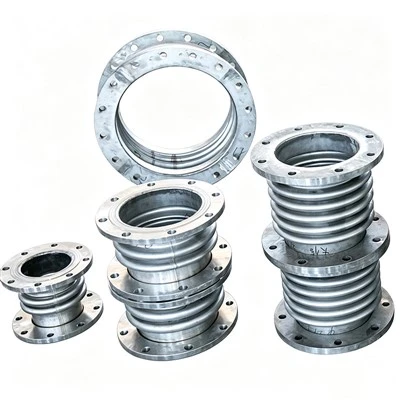
Now, let’s wrap up with the do’s and don’ts that stick: Do prep the system before cleaning, lock out/tag out, use non-abrasive tools, clean both inside and outside, and protect after cleaning. Don’t use high pressure washers, harsh acids, or steel wool, and don’t skip flushing away leftover cleaners. Sticking to these will keep your expansion joints in top shape for whatever your system throws at them.
Metal Bellows References:
- Expansion Joint Manufacturers Association (EJMA). "Recommended Practice for Installation and Maintenance of Metal Expansion Joints," 2022.
- ASME Boiler and Pressure Vessel Code, Section VIII, Division 1: Rules for Construction of Pressure Vessels, 2021.
- National Association of Corrosion Engineers (NACE). "Surface Preparation and Protection of Industrial Metal Components," 2020.
- Industrial Maintenance and Plant Operation Magazine. "Best Practices for Expansion Joint Cleaning and Inspections," Volume 28, Issue 4, 2023.
Yixing Blog Pipeline Equipment Co., Ltd.
As one of the most professional metal expansion joints manufacturers and suppliers in China, we’re featured by quality products and good service. With abundant experience, we warmly welcome you to wholesale bulk metal expansion joints in stock here and get quotation from our factory. Customized orders are welcome.
Address: Zhizao Park, No.50 Chunjiang Road, Industrial Cluster Zone, Heqiao Town, Yixing City, Wuxi City, Jiangsu Province
E-mail: 1351116816@qq.com
WebSite: https://www.blogbellows.com/
