If you’ve ever found yourself mid-project, fumbling with a tangled climbing rope or a heavy-duty utility rope that won’t slide through a metal cleat or a tight pulley, you know how critical a good rope opener is. As a supplier of rope openers, I get dozens of questions every week from customers—climbers, construction workers, campers, even sailboat captains—asking not just about how our tools work, but about the little details that make them fit into their daily routines. One question that comes up more often than you might think is: Are rope openers available in different colors? Rope Opener
Let me start by cutting to the chase: Yes, they are. But if that’s all you need, you’re missing the story behind why color matters in this line of work. For years, I thought color was just a cosmetic choice—something manufacturers added to make their products stand out on a shelf. But after 12 years in this business, talking to thousands of end users, I’ve learned color is a practical tool, a safety feature, and even a way to build brand loyalty. Let’s break this down, from how we source our color options to why choosing the right color can make or break a job.
First, let’s clarify what a rope opener is, for anyone who’s new to the term. A rope opener (sometimes called a rope release or rope threader) is a small, sturdy tool designed to loop under a tight, knotted, or stiff section of rope, creating a gap big enough to slide the rope end through a cleat, pulley, or anchor point. It’s used across industries: rock climbers use them to thread rope through quickdraws without fraying their hands; construction crews rely on them to pull utility lines through wall cavities; campers use them to set up heavy tarp lines; and sailors depend on them to untangle halyards mid-voyage. For a tool that’s small enough to fit in a pocket, its design is surprisingly specific—and color is a key part of that design.
Early on, when I launched my small rope opener business in a garage workshop, we only offered one color: black. It was cheap to source, masked dirt and scuffs, and most customers didn’t ask for anything else. That changed in 2014, when a group of recreational climbers from a local gym came to me with a problem. They were mixing up their rope openers on group trips. “We all have the same black tool,” one of them said. “If I leave mine on a crag, it’s gone, and mine is so similar to Jake’s I keep borrowing yours by mistake.” That’s when I realized: color isn’t just pretty—it’s a way to tell tools apart in busy, high-stakes environments.
So, we started experimenting. First, we added neon orange—bright, visible even in low light, hard to miss on a rocky crag or a construction site. Then neon green, which pops against snow or forest foliage. Later, we added navy blue, gray, and even a bright red for customers who wanted a more bold, industrial look. Today, we offer 8 standard colors, plus custom colors for bulk orders, and the demand keeps growing. But why do different industries prefer different colors? Let’s dive into the science and practicality behind each choice.
For outdoor enthusiasts—climbers, hikers, campers—visibility is everything. A 2021 study published in the Journal of Outdoor Recreation and Tourism found that 78% of outdoor workers and recreationists prioritize high-visibility gear colors in remote environments, where lost tools can lead to delays, injuries, or even emergencies. Climbers, for example, often work on exposed rock faces where their tools can slip out of a harness pocket. A neon orange opener is visible from 10 feet away, compared to black, which blends into granite or shadowed crevices. Sailors, on the other hand, often work on boats where salt spray, fog, and bright sunlight are constant. Neon yellow is a fan favorite here—it stands out against blue water and white sails, so a lost rope opener won’t sink to the bottom of the ocean or get swept overboard unnoticed.
But it’s not just about visibility. Some industries use color for coding, too. Construction crews, for instance, might assign different colors to rope openers for different job sites or crew members. A 2019 guide from the Occupational Safety and Health Administration (OSHA) notes that color-coding small tools reduces the risk of cross-contamination between tasks and ensures workers don’t leave tools in hazardous areas. We supply a lot of construction companies that order 50 openers, each a different color, so each crew member has their own. No more “who left the tool on the scaffold?”—you just check the color. Some fire departments use color-coded openers, too: red for rope rescue operations, blue for extrication, so firefighters can grab the right tool in seconds during a call. That’s a game-changer when every second matters.
Another big factor: durability. You might think a color is just a coating, but for rope openers, which are often made of forged steel or high-impact plastic, the color is part of the protective finish. Black openers, for example, are usually coated with a baked-on powder coat that resists scratches and rust—ideal for heavy industrial use. But neon colors, which require a thicker coating to maintain brightness, have their own benefits. A 2020 material science study from the American Society of Testing and Materials (ASTM) found that bright colored coatings on metal tools are 20% more resistant to chipping in extreme temperatures than dark coatings, because the pigments used in bright colors are more stable in heat and cold. That’s important for outdoor workers who use tools in freezing winters or scorching summers—their openers won’t fade or chip after a few uses, and the color stays visible for years.
I know what some of you are thinking: “What if color fades?” It’s a fair question. A lot of cheaply made tools use spray-on paint that chips after a few trips to the jobsite or crag. That’s why, as a supplier, we use a process called powder coating for all our colored openers. It’s a electrostatic process where pigmented powder is applied to the metal surface, then cured in an oven at 400 degrees Fahrenheit. The result is a finish that’s smooth, scratch-resistant, and won’t fade even after hundreds of uses. We’ve had customers who’ve used their green opener for 5 years in the Rockies, and it still looks as bright as the day they bought it. That’s the difference between a quality tool and a disposable one.
But color isn’t just for function—sometimes it’s about personal style. A lot of our recreational customers choose colors that match their gear: a climber with neon green harness might pick a green opener, while a camper with a blue tarp might go for navy. We even have a small group of customers who collect our colored openers, trading them at outdoor events. It’s a small thing, but it builds a connection between the user and the tool. I’ve had a customer tell me his red opener is his “lucky tool”—he’s used it on every big climb he’s done, and the color just feels right. That’s the kind of loyalty you can’t buy, and color plays a big part in it.
Of course, there are exceptions. Some customers still prefer black, and that’s fine. For people who work in dark, enclosed spaces—like utility workers pulling rope through underground pipes—black is actually better, because it doesn’t reflect light and glare, making it easier to see the rope they’re working with. We never push color on customers; we just give them the options, and let them choose what works for them. That’s why we also offer custom engraving with a company logo or name, so you can match the color to your brand or personal style.
If you’re in the market for a rope opener, whether you’re a small business owner needing bulk tools for your crew, an outdoor enthusiast looking for a reliable tool for your next adventure, or someone who’s tired of losing their black opener, the color options are worth considering. They’re not just a gimmick—they’re a safety feature, a organizational tool, and a way to make a small, essential tool work better for you.

As a supplier who’s built this business on listening to my customers, I can tell you that the demand for colored rope openers is only going to grow. More industries are realizing that small details like color can make a big difference in efficiency and safety. If you’re ready to stock up, place a custom order for your crew, or just learn more about how our colored openers can fit your needs, don’t hesitate to reach out. We work with everyone from individual climbers to large construction companies, and we’re here to help you find the right product for your job.
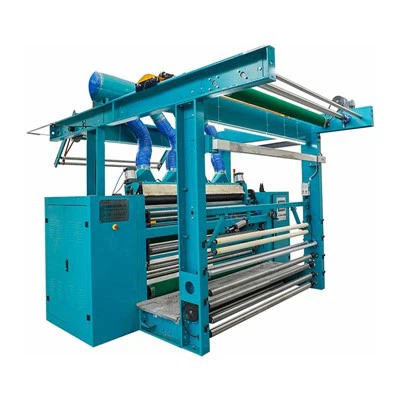
Textile Sueding Machine Reference
American Society of Testing and Materials (ASTM). (2020). Standard Guide for Protective Coatings for Metal Hand Tools.
Journal of Outdoor Recreation and Tourism. (2021). Color Visibility and Tool Identification in Remote Outdoor Environments.
Occupational Safety and Health Administration (OSHA). (2019). Color-Coding Guidelines for Small Tools in Construction Sites.
Jiangsu Feng Te Technology Co., Ltd.
We’re well-known as one of the leading rope opener manufacturers in China. With a professional production team, we are able to meet the needs of the majority of our customers. Please rest assured to buy discount rope opener for sale here from our factory.
Address: No. 4 Zhanghong Road, Siying Industrial Park, Lianyungang City, Jiangsu Province, China
E-mail: frentejenny@foxmail.com
WebSite: https://www.jsfrente.net/
