If you’re reading this, chances are you’re either thinking about setting up an LNG station, or you’ve got one up and running but you’re still figuring out the day-to-day that no training manual really covers. I’m not some suit in an office— I’ve been supplying LNG station gear and troubleshooting for over 12 years, and let me tell you: operating an LNG station isn’t just “fill the tank and go.” Skip the fancy jargon, keep it real, and you’ll avoid half the headaches most new station owners run into. LNG Stations

First off, let’s cut through the fluff. LNG stands for liquefied natural gas, right? It’s super cold (around -162°C), so safety isn’t a suggestion—it’s non-negotiable. But you don’t need a PhD in cryogenics to nail operations. Let’s start with the basics: pre-use checks every single time you open the station for business.
I know, I know—checklists feel tedious, but I’ve seen what happens when you skip one. Let’s break those pre-use checks down to what actually matters, not the 20-page list some manufacturer shoves at you. First, do a visual walkaround of the storage tank. Look for frost buildup on the lines—frost isn’t just cold, it’s a sign your insulation’s failing, which means you’re losing LNG to boil-off and you’ve got a leak risk. Next, test the emergency shutdown (ESD) system. Push the test button, make sure it cuts power to the pumps and locks the dispenser nozzles. Half the time, stations that “accidentally” dump LNG because the ESD didn’t work skipped that weekly test. Then, check the pressure gauge on the storage tank. LNG boils off naturally, so a little pressure is normal, but if it’s over 25 psi? You need to vent it slowly—don’t just yank the vent valve wide open, that’s how you get a vapor cloud.
When it’s time to fuel a truck or vehicle, here’s where half the mistakes happen. First, make the driver shut off their engine, take out the keys, and no smoking within 50 feet. I’ve had drivers try to sneak a quick cigarette mid-fill—don’t let that slide. Next, connect the ground clamp. I know some people skip this, but static electricity from the hose can spark a vapor cloud way faster than you think. Even if you’re in a rural area, wind can carry vapor to a spark a mile away. Then, line up the nozzle with the vehicle’s fill port. LNG nozzles are color-coded—they’re usually silver, not the standard diesel black—so don’t grab a diesel nozzle by accident; that’s a mess no one wants to clean up.
When you start the fill, go slow at first. Don’t blast LNG into the tank—you’ll cause a surge, which can push liquid back up the hose and onto the ground. The fill should take 5-10 minutes for a heavy-duty truck, maybe less for a light vehicle, but never rush it. Keep an eye on the level gauge—once it hits 90% capacity, stop. Overfilling the storage tank is a big no-no; as LNG warms, it expands, and 90% leaves room for boil-off vapor. Wait, boil-off—let’s talk about that, because it’s one of the biggest operating costs for LNG stations.
Boil-off is the natural gas that turns back to vapor because LNG is so cold, even in insulated tanks. If you just vent that vapor to the atmosphere, you’re losing money—literally, that’s gas you could sell. Here’s a trick I teach all my clients: install a vapor recovery system. It’s not as expensive as it sounds, and it lets you capture that boil-off gas, compress it, and put it back into the vehicle’s tank or the storage tank. I’ve seen small stations cut their gas loss by 70% with that, which adds up to thousands a month. Just make sure you service the vapor recovery lines every month—if they get clogged with frost, they stop working.
Another thing most new station owners miss: maintenance on the dispensers. LNG is cold, so hoses and nozzles take a beating. After every 50 fills, check the nozzle’s seal—if it’s cracked, LNG will leak when you disconnect it. Every three months, take the dispenser apart and clean the filter screen. Dirt and moisture get into the line, and they can gum up the meter, which means you’re either undercharging the driver (losing money) or overcharging (making drivers mad and losing repeat business). And don’t forget the pump—LNG pumps run at low temps, so make sure to warm the motor a little every time you start the station in cold weather. I’ve seen pumps seize up because someone left them in the cold without warming them, and replacing a pump isn’t cheap.
Safety training isn’t a one-and-done deal. A lot of operators will do a 4-hour training when they set up the station and then never touch it again. But LNG is different in summer vs. winter, so refreshers every six months are key. Train your staff on what to do if there’s a small leak: first, sound the alarm, then make sure no one is near the leak, don’t use any electronics (phones, lights) within 100 feet, and use a fire extinguisher rated for flammable gas—water won’t work on LNG fires, so don’t reach for the garden hose. For a big leak? Evacuate the area, call the fire department, and trigger the ESD system. Don’t try to fix a big leak yourself—no amount of training prepares you for that, and it’s not worth risking your safety.
Wait, what about winter vs. summer operations? I almost forgot that, because it’s a big difference. In cold climates, your main issue is keeping lines from freezing. Even though LNG is cold, the water in your dispenser’s valves can freeze if you don’t drain the lines at the end of every day. If a line freezes, you can use a heat gun (not an open flame) to thaw it—don’t pour hot water on it, that can crack the pipe. In summer, the problem is more boil-off. You’ll have to vent more vapor, but make sure you vent it away from the station’s intake vents or any other open areas—vapor is heavier than air, so it will pool in low spots, like a ditch around the tank. If you’re in a hot area, insulate the storage tank’s top lines more—sunlight can warm the top of the tank faster, making more boil-off.
I’ve also seen stations struggle with inventory management. Unlike diesel, LNG’s volume changes with temperature. So when you measure the tank’s level, you can’t just go by the gauge—you have to correct for temperature. If you forget that, you’ll think you have 10,000 gallons of LNG, but when you measure by weight, it’s only 8,000, and you’ll run out mid-day. There are cheap apps that do the temperature correction for you, no fancy software needed—don’t skip that step.
A lot of people ask me: do I need to hire a full-time operator? For a small station that only runs during the day, no, you can have one person running it part-time. But for a 24/7 station, you need two people, so someone’s always on site. And make sure you pay them well—good LNG operators are hard to find, and if you lose a good one, you’ll spend more time training a new person than you save on wages.
Now, let’s talk about what I do as a supplier. When I first started out, I’d show up to a client’s station and hand them a bunch of parts and a manual, and they’d say “what do I do with this?” So now, I don’t just sell gear—I send a technician to walk them through the actual operation. I’ll sit with the operator for a week, show them the checklists, how to fix a frozen line, how to read the pressure gauge, even how to talk to drivers when there’s a delay. Because let’s be real, no manual teaches you how to calm down a truck driver who’s late for a load because your dispenser is acting up.
If you’re thinking about setting up an LNG station, or you have one and you’re tired of the constant headaches, don’t try to figure it out alone. Operating an LNG station doesn’t have to be complicated or dangerous if you do it right. But you need the right gear, the right training, and someone who’s been there to help when things go wrong.
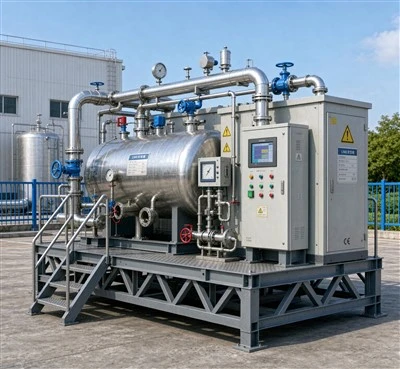
If you’re ready to stop guessing and start running your LNG station smoothly, get in touch. We’ll walk through your needs, from the initial setup to ongoing maintenance, so you can focus on your business without the stress of cryo headaches.
LNG Stations References:
- Gas Processors Association. (2019). LNG Station Operating Best Practices.
- US Department of Energy. (2021). Small-Scale LNG Station Operations Manual.
- International Organization for Standardization. (2020). Safety Standards for Liquefied Natural Gas Dispensers.
Qingdao Lenado Intelligent Equipment Co., Ltd.
Qingdao Lenado Intelligent Equipment Co., Ltd. is one of the most experienced LNG stations manufacturers and suppliers in China. We have world-leading production equipment and strong manufacturing capabilities. Please rest assured to wholesale bulk customized LNG stations from our factory.
Address:
E-mail: genkegasstation@163.com
WebSite: https://www.cnggasstation.com/
