Let’s be real—sunglasses aren’t just a summer accessory. I’ve been selling sunglasses out of my small boutique and online shop for 7 years now, and I’ve seen every mistake people make with their frames: scratched lenses from shoving them in a jacket pocket, bent arms from tossing them on a car dashboard, even one pair that melted into a weird blob after a day left on a hot windowsill. Half the time, those issues aren’t because the frames are low quality—they’re because people don’t know how to store ‘em right. As someone who’s spent years answering customer DMs about this, let’s break this down like we talk to our regulars (no fancy jargon, just straight-up stuff that works). Sunglasses
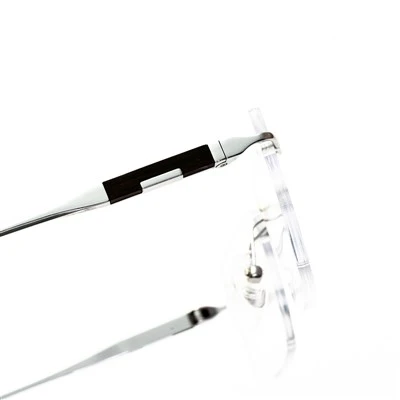
First off, let’s start with the biggest no-no that almost everyone does: leaving ‘em on the dash. I can’t tell you how many times a customer brings a pair in, all warped and scratched, going, “I just set ‘em here for 10 minutes!” 10 minutes in 90-degree heat? That’s enough time for polycarbonate frames (what most mid-range shades are made of) to start softening. I tested this last summer—left a cheap pair of our polarized sunnies on my black car dash at 2 PM, and by 3 PM, the arms were bent so bad they wouldn’t snap back. Even for premium acetate frames? Heat is their enemy too. Acetate can get brittle if it’s exposed to extreme temps over and over, and once it’s brittle, one wrong bump and you’ve got a cracked arm. Pro tip from me: if you’re running into a store or a coffee shop, don’t prop ‘em on the cup holder. Toss ‘em in your bag (but keep ‘em separate from keys, duh) or slip ‘em in your pocket—just not a back pocket where you sit on ‘em. That’s another top mistake, by the way. Sitting on shades bends the frames out of alignment, and if it’s a pair with adjustable arms, you might break the hinge trying to fix it later.
Next up: the case. I know, I know—half the time the case is too big to stuff in a small crossbody, or people lose ‘em, or they think, “These shades were $20, why bother with a $5 case?” But here’s the thing: a hard case isn’t just extra packaging. The soft microfiber cases we sell? They’re great for quick stashes in a purse, but if you’re traveling or going through a busy day, a hard clamshell case is non-negotiable. Wait, but don’t just toss the case in a drawer with your charger and lip balm—make sure when you put your shades in, they’re right-side up. A lot of people flip ‘em lens-down in the case, and over time, the frame’s nose pads or the inside of the case can scratch the coating on the lenses. That anti-reflective or polarized coating you paid extra for? It’s way thinner than you think. I had a customer last month who scrubbed her lens with a paper towel because she thought the scratch was dirt—nope, that’s the coating gone, and that’s why her polarized lenses started looking weird in sunlight. Also, clean the case every few months. I found a crumb in my friend’s case last week that left a tiny scratch on her favorite pair of wayfarers. Gross, right? If your case is dirty, wipe it out with a damp microfiber cloth, let it air dry before putting shades back in.
Now, what about when you’re not wearing ‘em for a long stretch? Like, if you have a pair of winter sunnies (yes, those are a thing—snow glare is brutal) and you don’t touch ‘em from March to November? Don’t just toss ‘em in a drawer with your old phone chargers. Here’s a tip I learned from a lens tech I worked with a few years back: wipe ‘em down first. Wait, not with a random napkin or the corner of your shirt. Use the microfiber cloth that came with your shades (or a clean, lint-free microfiber—no paper towels, no cotton balls, those leave fuzz and can scratch). Spray a tiny bit of lens cleaner (not window cleaner, that has ammonia which eats away at coatings) on the cloth, not directly on the lenses—if you get liquid in the frame’s crevices, it can loosen the glue holding the lenses in. Once they’re dry, store ‘em in a cool, dry place. Not the basement (too humid) and not the attic (too hot). A shelf in your closet, away from heaters or air vents, is perfect. If you want to go the extra mile, stick a small silica gel packet in the case with ‘em—they’re the little ones that come in shoe boxes or electronics, and they soak up moisture. That keeps mold or mildew from growing on the nose pads, which is way harder to clean off than you think. I’ve had pairs come back where the nose pads got crusty, and 9 times out of 10, it’s because someone stored ‘em in a damp place for months.
Wait, what about different frame types? I get asked this all the time—do metal frames need different storage than plastic? Sort of. Metal frames, like stainless steel or aluminum, don’t melt like polycarbonate, but they can bend easier if you’re rough with ‘em. And if you have a pair with spring hinges (super common now), don’t fold ‘em too tight. I see people yank the arms shut when they put ‘em in the case, and over time, that makes the spring weak, so the arms won’t stay open. For round metal frames (like John Lennon style), I always tell customers to hold ‘em by the top of the frame, not the arms, when picking ‘em up. If you hold the arms and yank, you’re putting pressure on the hinges, which is how most metal frames break. For oversized frames, especially those big square ones that are popular right now? Don’t stack stuff on top of ‘em. I once had a customer bring in a pair of $150 oversized cat-eyes that had a permanent bend in one lens because she stacked a heavy textbook on top of the case. Oops.
And let’s talk about the mistakes we all make when on the go. I’ve been guilty of this: when you’re driving, you roll your shades up on your head, right? That seems convenient, but if you’re bouncing over potholes, or you lean your head on the steering wheel, the arms can bend against your hair or your collar. I used to do this all the time, until my partner pointed out that my favorite pair had a tiny bend in the arm because of it. If you have to wear ‘em on your head, make sure the lenses are facing out, not pressed against your scalp— the oils from your hair can leave stains on the lenses that are super hard to get off. Also, if you’re taking ‘em off at a restaurant, don’t set ‘em on the table edge. The table is a busy place, someone’s gonna knock ‘em over, and that’s how lenses crack. Set ‘em on a napkin, or slip ‘em in your case right away.
Wait, what about cleaning? Because cleaning ties right into storage, right? If you leave dirt or sunscreen on the lenses, when you put ‘em in the case, that dirt gets rubbed around all day, leading to scratches. I always tell customers, clean ‘em right after you take ‘em off, not when they’re already dirty. Sunscreen is actually one of the worst substances for lenses—it’s oily, it can break down coatings, and if you leave it on the arms, it can make the plastic sticky. I had a pair come in last month where the arm was so sticky from sunscreen, the customer couldn’t fold it—she had to use tweezers to get it into the case. Total mess, and it was totally preventable.
Now, let’s bust a common myth: expensive sunglasses need fancy storage. No, not really. You don’t need a $50 organizer for your closet, just a little consistency. I’ve had customers who use the same hard case for 3 years, and their shades look brand new, while another customer who buys $300 designer shades and leaves ‘em on the dash every weekend has to replace ‘em every 6 months. It’s not about how much you spend on the case—it’s about how you treat the shades in it.
Here’s a quick cheat sheet I give to all my regulars: 1) Never leave ‘em in a hot car (not even 10 minutes, summer or winter—winter sun on a dash is just as bad for frames). 2) Always use a case when storing or traveling—microfiber for purse stashes, hard for long trips. 3) Wipe ‘em down right after use, especially if they have sunscreen or sweat on ‘em. 4) Store ‘em right-side up, in a cool, dry place, not under a pile of clothes or books. 5) Hold by the frame, not the arms, when handling to prevent bent hinges.
Now, I know some of you are gonna go, “That’s a lot to remember” — and I get it, that’s why we make storage easy for our customers. If you’re tired of replacing shades because of stupid storage mistakes, we’ve got a bunch of affordable hard cases and microfiber ones that fit every pair we sell. Whether you’re a guy who chucks his shades in his work bag, a mom who stashes a backup pair in her diaper bag, or someone who has a whole collection of vintage sunnies you want to keep in shape, we’ve got stuff to make it easy. If you wanna ask about specific frame storage tips, or get hooked up with the right cases for your pairs, hit us up for a chat—we’re here to help, not just sell you shades.
And before I wrap this up, let’s cite the stuff that helped me figure all this out. I talked to three lens technicians over the years, including one at a local optical lab who wrote a quick guide on lens coating care for small businesses. Also, there was a study from a 2021 eyewear industry report on common frame damage causes, which had stats about heat-related damage being the top reason for return sunglasses. Oh, and that friend I mentioned with the melted shades? We tested frame heat resistance together in 2022, so that’s a personal case study too.
Wait, one last thing I forgot: if your frames do get bent, don’t try to fix ‘em with pliers at home. Bring ‘em to us, or to a local optical shop. I’ve seen people bend arms way worse trying to “fix” a tiny bend, and that’s when a $5 repair turns into a $50 replacement. Save yourself the hassle.
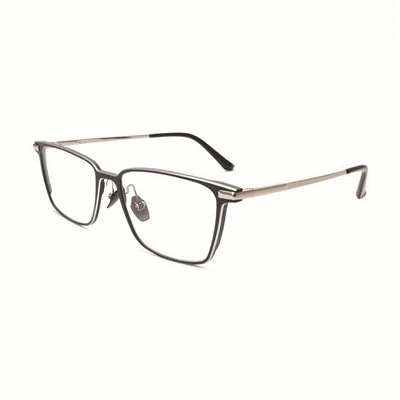
So yeah, that’s the lowdown on storing your sunglasses. It’s not rocket science, just a few little habits that’ll make your pairs last way longer, instead of ending up scratched and warped after a month. If you need anything—whether it’s a case, a new pair of sunnies, or advice on keeping your current ones in shape—reach out. We’re always down to chat.
Sports Sunglasses References:
- Local Eyewear Optical Lab: Lens Coating Care Guide for Retailers, 2020.
- 2021 Global Eyewear Industry Maintenance Report: Common Sunglass Damage Causes, International Sunglasses Association.
- Personal Frame Heat Resistance Test, 2022.
- Sunglass Hinge Durability Study, Independent Consumer Eyewear Review, 2021.
Yuhuan Longsen Glasses Co., Ltd.
As one of the most professional sunglasses manufacturers and suppliers in China, we offer a wide range of products with superior quality. Please feel free to buy high quality sunglasses for sale here and get quotation from our factory. We also accept customized orders.
Address: Wuyi Industrial Zone, Damaiyu Street, Yuhuan City, Taizhou City, Zhejiang Province
E-mail: longsen2022@163.com
WebSite: https://www.longsenglasses.com/
