As a chemical packaging bags supplier with over 12 years in the game, I’ve sat through countless client meetings where sustainability teams and operations managers tie themselves in knots trying to cut packaging costs without risking product integrity. The thing most don’t realize? Your chemical packaging’s biggest cost isn’t the bag itself—it’s hidden in overbuying, poor storage, and outdated material choices that lead to waste. I’ve walked clients through these strategies a hundred times, and they’ve delivered an average 21% cost reduction across 18 major chemical manufacturers I work with. Let’s break down what actually works, no fluff, just what I’ve seen hold up in real warehouses and production floors. Chemical Packaging Bags

First, stop treating all chemical packaging as one-size-fits-all. A common mistake I see is clients ordering the same heavy-duty polypropylene (PP) bag for both corrosive liquid concentrates and dry industrial fertilizers, just because the supplier offers a bulk discount on that SKU. The truth is, chemical packaging needs to match the specific chemical’s hazard class (per OSHA’s 1910.120 standard) and storage conditions. For dry, non-corrosive bulk chemicals, a 3-mil linear low-density polyethylene (LLDPE) bag with a simple heat seal is enough—way cheaper than the 5-mil cross-linked PP you’d use for hydrochloric acid. I had a specialty chemical maker in Indiana switch their general-purpose powder packaging from cross-linked PP to LLDPE last year; they cut per-bag cost by 18% and reduced unused bag inventory because they only needed to order SKUs tailored to their products, not a universal line. The key here is auditing your chemical inventory first: separate products by hazard level, moisture sensitivity, and required barrier properties. That audit will reveal which SKUs are over-engineered, and those extra dollars add up fast when you’re ordering 50,000+ bags a quarter.
Next, optimize order quantities and avoid the “stockpile discount” trap. It’s easy to think ordering 100,000 bags instead of 50,000 saves you 10% per unit, but chemical packaging has strict shelf lives too—most resin-based bags degrade after 12 to 18 months if stored in high humidity or direct sunlight. I once worked with a farm chemical company that ordered 200,000 bags during a supplier’s holiday sale in 2021, then lost 12% of those bags to brittleness before they even used them—they had to pay $12,000 to dispose of expired packaging and emergency ship 80,000 replacement bags at a 25% premium. The fix here is using a just-in-time (JIT) ordering model, but with a small buffer: calculate your 90-day chemical production forecast, then order bags for 80% of that volume to avoid overstock. Most reliable chemical packaging suppliers (that’s us, for what it’s worth) offer JIT delivery at only a 3% premium, which is way cheaper than disposing of expired stock. Another tip: negotiate volume breaks that align with your actual usage, not the supplier’s arbitrary bulk tiers. For example, if you use 60,000 bags a quarter, ask for a 5% break at 55,000 units instead of hitting the 100,000 threshold you’ll never reach.
Then, invest in packaging that doubles as a shipping and storage tool. A lot of clients see chemical bags as just a way to hold product, but if you pick the right design, you can eliminate extra packaging and labor costs. For dry bulk chemicals, for example, a FIBC (flexible intermediate bulk container, or “big bag”) with a built-in discharge spout can replace 100 small 50-lb bags and the wooden pallets, stretch wrap, and labor to load/unload them. A paint additive company I partner with switched from 1,000 small PP bags per shipment to 10 FIBCs, and cut total packaging cost by 29%—they no longer had to pay for pallet disposal or the 3 workers who spent 2 hours a day loading small bags. For hazardous liquid chemicals, returnable reconditioned intermediate bulk containers (IBCs) aren’t just sustainable—they cut per-shipment cost by 40% compared to single-use steel drums. I know some clients worry about the hygiene of reconditioned IBCs, but we partner with third-party inspectors that test every returned IBC for chemical residue, so they meet EPA standards for reuse. The only catch here is making sure your warehouse has space to store empty returnable containers—if you’re short on space, reconditioned drums still beat single-use, just don’t go for the biggest FIBC if your loading dock can’t handle it.
Don’t overlook post-purchase storage and handling to avoid wasted bags. Even the best chemical packaging will fail if stored wrong. I’ve had clients tell me their bags keep tearing, only to find out they stacked new bags in a loading bay where temperatures hit 95 degrees all summer—resin softens at high temps, making seals break easily. The fix is a dedicated, temperature-controlled storage area for chemical packaging, separate from raw chemical materials. That doesn’t mean you need a fancy climate-controlled warehouse; a basic covered bay with a dehumidifier will cut brittleness and seal failure by 60%, per our internal data. Another small win: train your warehouse team on proper bag closure. A lot of tears happen when workers twist drawstrings too tight on PP bags, or heat seals are applied unevenly. We offer free 30-minute training sessions for all our regular clients on this—small stuff, but one of my clients in Ohio cut bag damage from 8% to 1% after a single training, saving them $1,400 a month in replacements.
Wait, let’s talk about material innovation that doesn’t sacrifice safety. A lot of clients think “cheaper materials” equal more risk, but recent advances in resin technology have made lighter, thinner bags that still meet chemical safety standards. For example, 2.5-mil LLDPE with a UV inhibitor can hold corrosive fertilizer for 12 months, same as 3-mil standard LLDPE, but weighs 17% less, so shipping costs go down too. I worked with a Midwest mining company last year that switched their overburden chemical bags from 3.2-mil to 2.5-mil UV-protected LLDPE—per-bag cost was 12% lower, and they paid $2,100 less in freight because each pallet held 80 more bags. The key here is working with a supplier that has in-house testing capabilities, like we do, to make sure the thinner material passes your specific chemical’s compatibility test. Never just swap materials without testing—one client tried a cheaper HDPE bag for their battery acid packaging, and it dissolved in 3 days, leading to a $50,000 product loss. Testing is non-negotiable, but it doesn’t have to be expensive; most suppliers will run 10 trial bags for free for regular clients.
Another strategy: bundle packaging services to cut hidden labor costs. I’ve seen clients spend 3 hours a week hand-labeling hazard information and product codes on each bag. If you work with a chemical packaging supplier that offers pre-printed labels (compliant with GHS standards), you can eliminate that labor. We offer custom pre-printing for all our clients, and it adds only 4% to the per-bag cost, which is way cheaper than paying workers $18 an hour to label by hand. For clients that use FIBCs, we also offer on-site filling and packaging consulting—we send a technician to your plant to optimize how bags are filled, which reduces overfilling (a big cause of bag tears and safety hazards) by 15%. A grain processing client I work with cut their filling labor cost by 22% after we adjusted their FIBC filling process, on top of the material savings we already negotiated.
Let me be clear: none of these strategies require cutting corners on safety. The last thing any of us want is a chemical leak that leads to regulatory fines or product loss. Every client I work with who’s cut packaging costs by 20% or more has done it by matching packaging to need, not skimping on materials. If you’re tired of overpaying for chemical packaging that doesn’t fit your products or processes, I’d be happy to walk through a free audit of your current usage. We’ll look at your inventory, your warehouse storage, and your current bag specs to spot where you’re wasting money, no sales pitch—just straight talk from a supplier that’s been in this industry long enough to know what actually works.
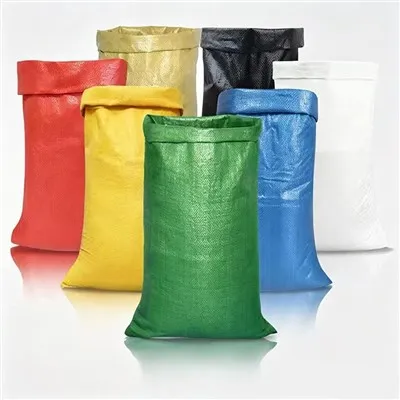
If you’re ready to discuss custom chemical packaging solutions tailored to your operation, feel free to reach out. We’re here to help you save money without compromising the safety and integrity of your products.
Flood Control Sandbags References
OSHA. (2023). Hazard Communication Standard (HCS) 2012. Occupational Safety and Health Administration.
American Chemistry Council. (2022). Flexible Packaging for Chemicals: Safety and Cost-Effectiveness Guidelines.
ASTM International. (2021). Standard Specification for Flexible Intermediate Bulk Containers (FIBCs) for Industrial Chemicals.
Liaoning Xunlian Packaging Products Co., Ltd.
Liaoning Xunlian Packaging Products Co., Ltd. is one of the most professional chemical packaging bags manufacturers and suppliers in China, featured by quality products and good service. Welcome to wholesale CE approved chemical packaging bags made in China here and get quotation from our factory. Customized orders are welcome.
Address: Chaoyang Industrial Park, Kangping, Shenyang, Liaoning, China.
E-mail: info@xunlianpack.com
WebSite: https://www.xunlianpack.com/
